Homeostasis
Interactive passage with audio narration, comprehension questions, and printable PDF.
By completing this purchase you agree to our Terms of Use and Privacy Policy. Your subscription renews automatically until you cancel. You can cancel anytime from your account settings. All sales are final and non-refundable. Digital content is available for download in your account immediately upon purchase.
What's included
Homeostasis preview and details
About this printable Homeostasis science reading passage, NGSS-aligned (Grades 5-8)
Sample passage and quiz from Homeostasis
Reading passage and comprehension quiz preview
Homeostasis
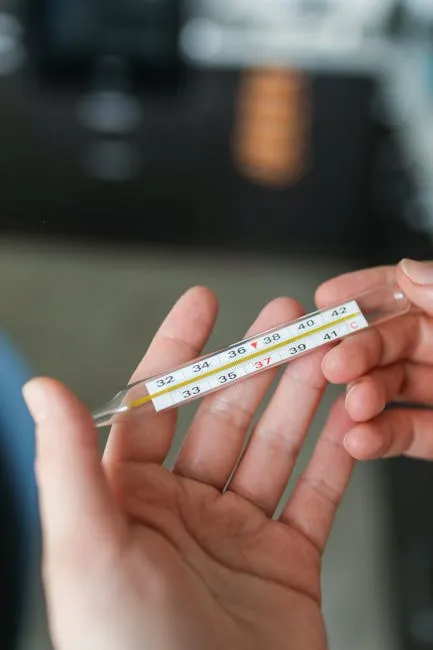
"Close-up of hands holding a glass thermometer showing a high temperature." by Polina Tankilevitch / Pexels.
Homeostasis is the ability of living organisms to keep their internal environment stable, even when the outside world changes. For example, when the air is cold, your body shivers, and when it is hot, you sweat. These reactions are not random—they are part of a complex system that keeps essential conditions like temperature, water, and sugar levels within a narrow, healthy range. Without homeostasis, cells could not function properly, leading to illness or even death. Scientists know that all organisms, from bacteria to humans, rely on homeostasis for survival.
How Homeostasis Works: Feedback Loops
Homeostasis depends on feedback loops, which are cycles in which the body senses changes and responds to restore balance. The most common feedback loop is called negative feedback. In negative feedback, a change in the body triggers a response that reverses the change. For instance, if your body temperature rises above 37°C (98.6°F), your brain detects it and signals sweat glands to cool you down. Conversely, if your temperature drops, your muscles shiver to warm you up. Another example is blood sugar regulation—when blood sugar gets too high after eating, the pancreas releases insulin to help cells absorb sugar. When blood sugar drops, the pancreas releases glucagon to help release stored sugar. These feedback loops work constantly, making tiny adjustments every second.
Variations and Exceptions: Positive Feedback and Homeostasis Failure
While negative feedback reverses changes, positive feedback amplifies them. Positive feedback is less common but important in certain situations, like childbirth (where hormone release intensifies contractions) or blood clotting (where each step triggers the next until the wound is sealed). However, when homeostasis fails, diseases can occur. For example, in diabetes, the body cannot regulate blood sugar effectively, causing high or low levels that can damage organs. Dehydration disrupts water balance, affecting every cell. These failures show why homeostasis is essential for health.
Integration Across Body Systems
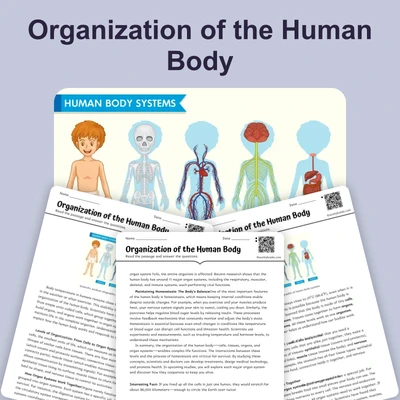
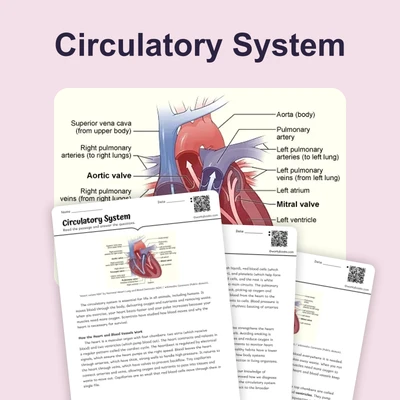
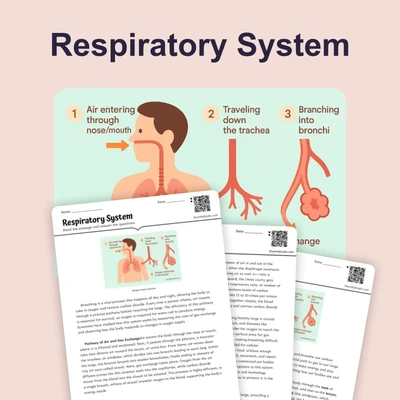
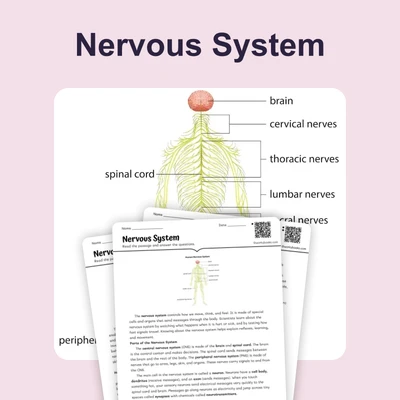
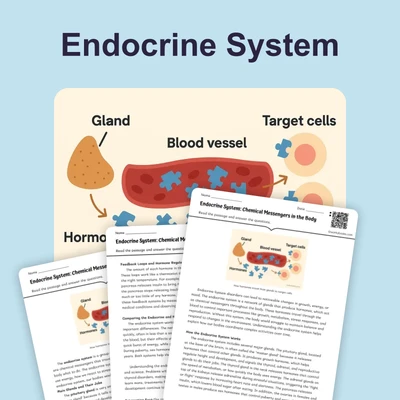
Homeostasis is not managed by one organ alone; it involves many body systems. The brain, nervous system, endocrine system, and organs like the liver and kidneys all communicate to monitor and adjust internal conditions. For example, the brain receives signals from temperature sensors in the skin and blood, then directs muscles and sweat glands to respond. The kidneys filter blood to keep water and minerals balanced. This teamwork ensures the body remains stable, even when you exercise, eat, or face changing environments. Scientists continue to study these systems to understand diseases and develop medical treatments that help maintain or restore homeostasis.
Homeostasis is a central concept in biology, highlighting the importance of balance, regulation, and the interaction of many systems. Understanding it helps us make healthy choices and appreciate the complexity of living organisms.
Interesting Fact: Some animals, like camels and desert reptiles, have evolved unique homeostatic mechanisms that allow them to survive in extreme environments where water and temperature vary widely.
Comprehension quiz (10 questions)
1. What is the main function of homeostasis in living organisms?
2. What happens when your body gets too hot?
3. Which body system is NOT mentioned as part of homeostasis in the passage?
4. What is the role of feedback loops in homeostasis?
5. What does negative feedback do?
6. In the context of the passage, what does the word "insulin" mean?
7. Based on the passage, what is an example of positive feedback?
8. Why is homeostasis important for health?
9. True or False: Homeostasis only involves one organ in the body.
10. True or False: Diabetes is an example of what can happen when homeostasis fails.
Perfect for the way you teach
- Build comprehension skills
- Auto-graded quiz
- Differentiated reading
- Read together at home
- Improve fluency
- Quiet reading time
- Reading curriculum support
- Independent practice
- Track Lexile growth