Body Systems Working Together
Interactive passage with audio narration, comprehension questions, and printable PDF.
By completing this purchase you agree to our Terms of Use and Privacy Policy. Your subscription renews automatically until you cancel. You can cancel anytime from your account settings. All sales are final and non-refundable. Digital content is available for download in your account immediately upon purchase.
What's included
Body Systems Working Together preview and details
About this printable Body Systems Working Together science reading passage, NGSS-aligned (Grades 5-8)
Sample passage and quiz from Body Systems Working Together
Reading passage and comprehension quiz preview
Body Systems Working Together
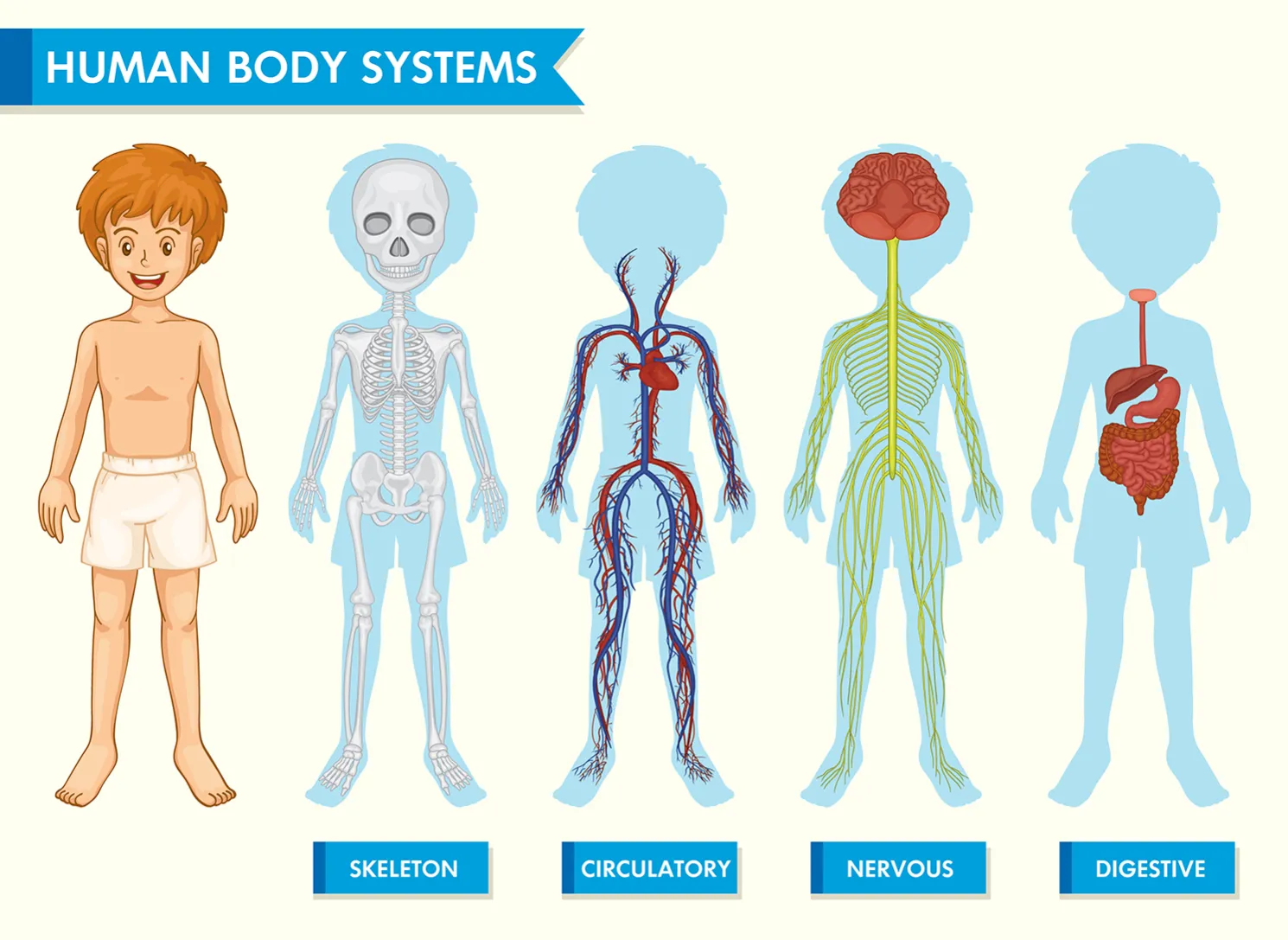
Human physiology is the study of how the body’s systems operate together to maintain health and life. During physical activity, such as running, the body requires energy, oxygen, and coordination among many systems. The muscular system contracts muscles, the skeletal system provides support, and the respiratory system brings in oxygen. These systems work in concert with the circulatory system, which transports oxygen and nutrients to cells and removes waste products. This complex cooperation is vital for survival and is an example of how body systems integrate their functions.
Mechanisms of System Integration
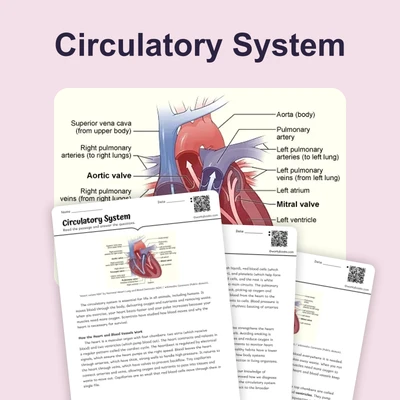
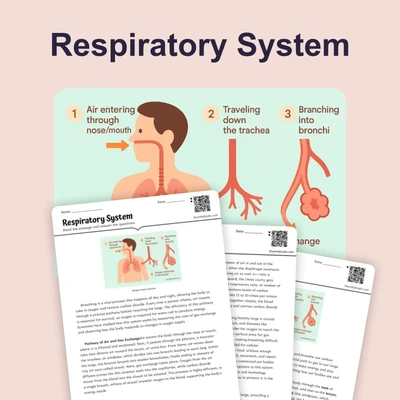
Each body system has a specialized role, but life depends on their interactions. For example, after eating, the digestive system breaks down food into nutrients, which are absorbed into the bloodstream. The circulatory system then distributes these nutrients to cells, while the excretory system filters and removes waste. During exercise, the respiratory rate can increase from a resting 12 breaths per minute to over 40, providing more oxygen for working muscles. The heart, part of the circulatory system, can pump up to five times more blood per minute during intense physical activity. The nervous and endocrine systems communicate using signals and hormones, helping regulate these changes and maintain homeostasis.
Feedback Mechanisms and Response to Change
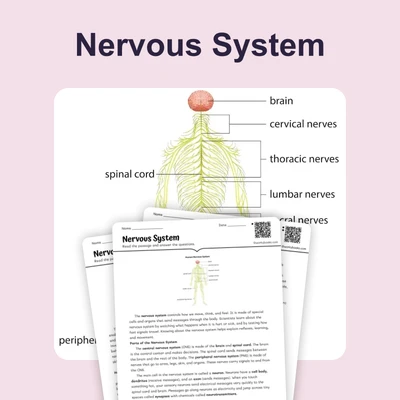
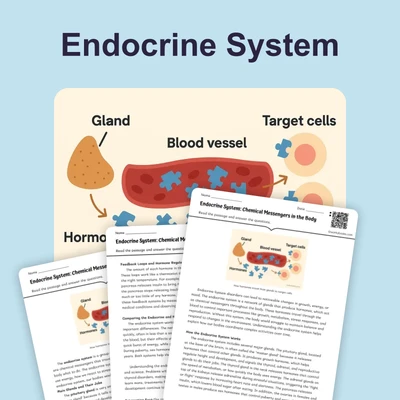
The body uses feedback mechanisms to keep internal conditions stable. For instance, if body temperature rises, sweat glands are activated to cool the body. The nervous system detects danger and sends rapid signals to the muscles, triggering a 'fight or flight' response. At the same time, the endocrine system releases hormones like adrenaline, increasing heart rate and energy availability. These coordinated responses are essential for adaptation and survival.
When Systems Fail: Disease and Disruption
When one system malfunctions, it can affect many others. For example, diabetes disrupts the body's ability to regulate blood sugar, impacting circulatory, nervous, and excretory systems. Heart failure can limit oxygen delivery, harming muscles and the brain. Understanding these connections helps scientists develop better treatments and preventive strategies. Research in systems biology uses technology to study these complex interactions, offering insights into health and disease.
In conclusion, the human body is not just a collection of separate parts. It is an integrated network of systems working together to maintain balance and respond to challenges. This organization supports life, adaptation, and health, reflecting the principles of biological systems and the flow of information and energy.
Interesting Fact:
During extreme exercise, the body can deliver more than 20 liters of blood per minute to active muscles—over four times the amount at rest!
Comprehension quiz (10 questions)
1. Which body system is responsible for pumping blood and transporting nutrients?
2. What is the main function of the respiratory system?
3. What happens to heart rate and breathing during intense exercise?
4. What is the role of the endocrine system during a 'fight or flight' response?
5. What does homeostasis mean in the context of the human body?
6. What is a feedback mechanism?
7. If the digestive system breaks down food, which system carries the nutrients to the rest of the body?
8. What might happen if the excretory system stopped working?
9. True or False: The nervous system helps the body detect danger and sends signals to muscles.
10. True or False: When one body system fails, it only affects that system and not others.
Perfect for the way you teach
- Build comprehension skills
- Auto-graded quiz
- Differentiated reading
- Read together at home
- Improve fluency
- Quiet reading time
- Reading curriculum support
- Independent practice
- Track Lexile growth