How Do Magma and Lava Differ
Interactive passage with audio narration, comprehension questions, and printable PDF.
By completing this purchase you agree to our Terms of Use and Privacy Policy. Your subscription renews automatically until you cancel. You can cancel anytime from your account settings. All sales are final and non-refundable. Digital content is available for download in your account immediately upon purchase.
What's included
How Do Magma and Lava Differ preview and details
About this printable How Do Magma and Lava Differ science reading passage, NGSS-aligned (Grades 5-8)
Sample passage and quiz from How Do Magma and Lava Differ
Reading passage and comprehension quiz preview
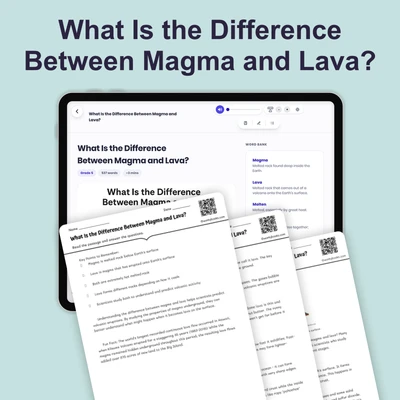
How Do Magma and Lava Differ
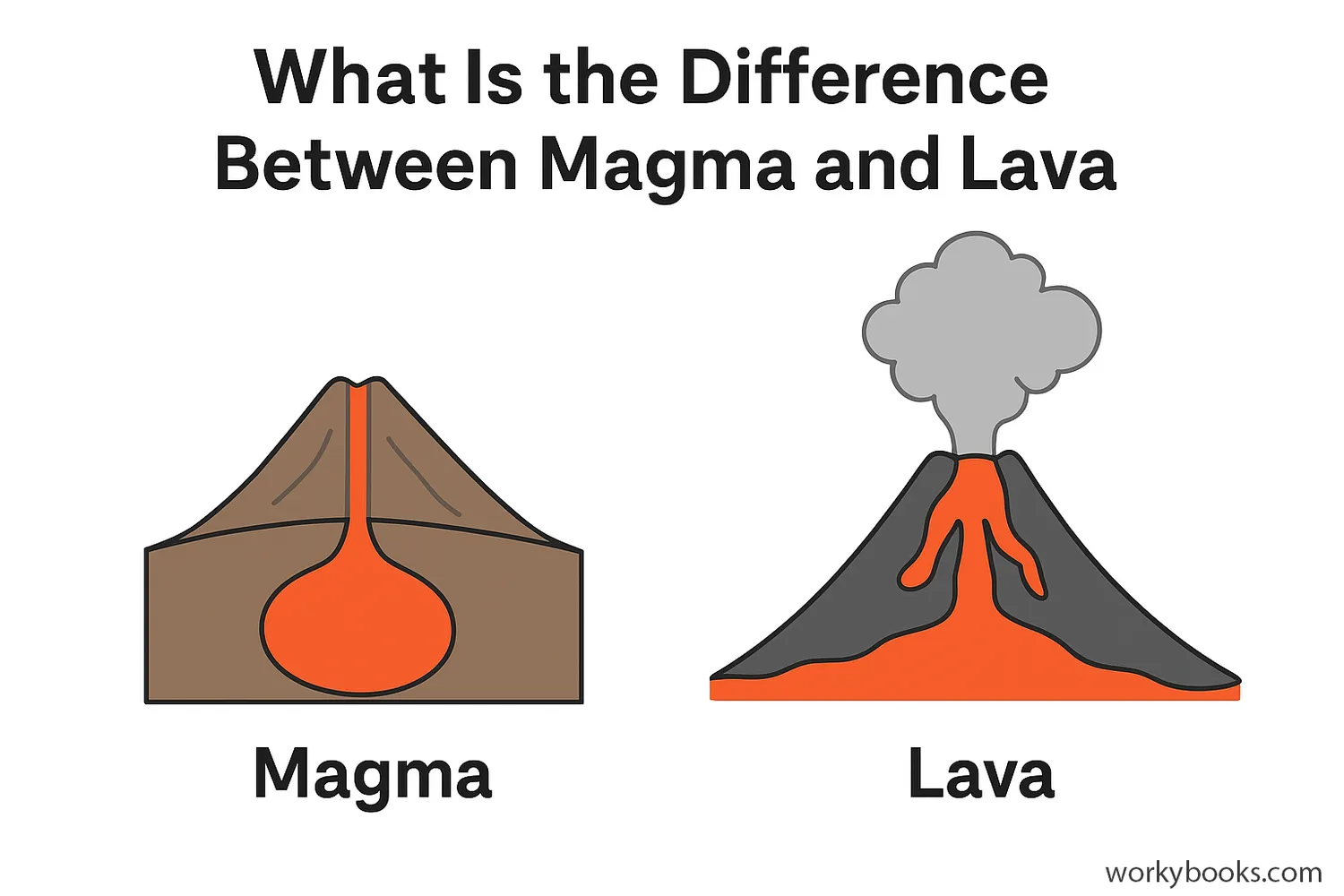
Both magma and lava are molten rock, but they differ in one key way: location. Magma is molten rock beneath Earth's surface. Once it erupts and reaches the surface, scientists call it lava. This name change marks an important shift in how the molten rock behaves and what happens next.
What matters most for volcanoes is not just the name change but what the magma is made of. Two properties shape every eruption. The first property is viscosity, which describes how thick and sticky the magma is. The second property is how much dissolved gas the magma holds. These two factors work together to determine how a volcano erupts.
Silica content controls viscosity. Magma low in silica is thin and runny, like syrup. It flows easily and allows gas bubbles to escape gently. In contrast, magma high in silica is thick and sticky, like peanut butter. This thick magma traps gas bubbles under pressure. When pressure builds too high, the gas explodes violently, throwing rock and ash into the air.
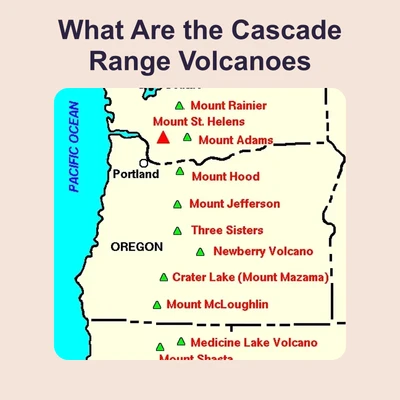
Scientists observe that viscosity and gas content determine eruption style. Evidence shows that thin, low-silica magma produces gentle eruptions with flowing lava. Mount Kilauea in Hawaii demonstrates this pattern with its steady lava flows. Thick, high-silica magma produces explosive eruptions. Mount St. Helens in Washington State erupted explosively in 1980 because its magma was thick and gas-rich.
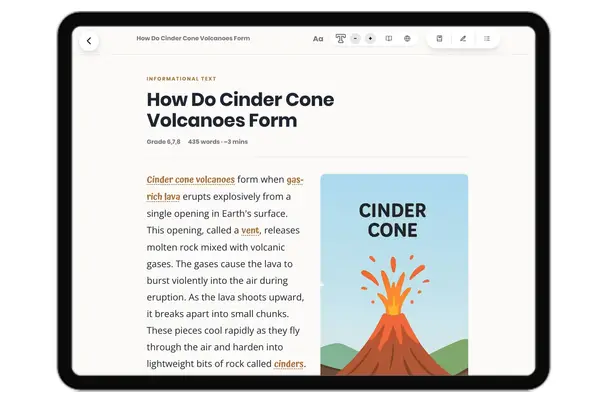
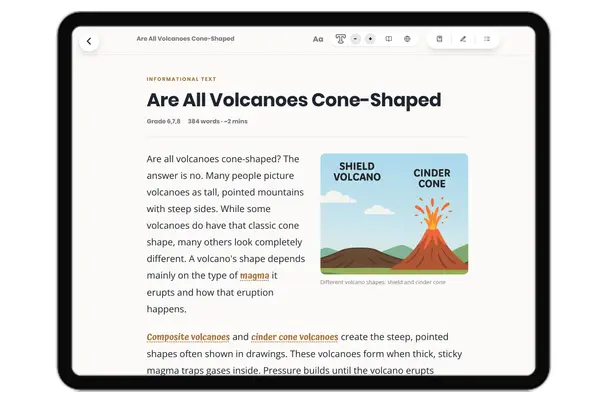
These properties also shape the volcano itself. Thin lava spreads widely and builds broad, flat volcanoes called shield volcanoes. Thick lava piles up steeply near the vent and creates tall, cone-shaped volcanoes. Understanding magma composition helps scientists predict eruption behavior and warn communities at risk.
Interesting Fact: Some magma can remain underground for thousands of years, slowly cooling to form large underground rock formations called plutons without ever erupting.
Comprehension quiz (10 questions)
1. What is the main difference between magma and lava?
2. Which two properties of magma determine how a volcano erupts?
3. What does viscosity describe?
4. Magma with high silica content is thin and flows easily.
5. What happens when thick, high-silica magma traps gas bubbles?
6. Which volcano is given as an example of gentle eruptions with thin lava?
7. What type of volcano is formed by thin, runny lava that spreads widely?
8. Based on the passage, why did Mount St. Helens erupt explosively in 1980?
9. Shield volcanoes are tall and cone-shaped.
10. According to the passage, what are plutons?
Perfect for the way you teach
- Build comprehension skills
- Auto-graded quiz
- Differentiated reading
- Read together at home
- Improve fluency
- Quiet reading time
- Reading curriculum support
- Independent practice
- Track Lexile growth