How Sound Is Produced
Interactive passage with audio narration, comprehension questions, and printable PDF.
By completing this purchase you agree to our Terms of Use and Privacy Policy. Your subscription renews automatically until you cancel. You can cancel anytime from your account settings. All sales are final and non-refundable. Digital content is available for download in your account immediately upon purchase.
What's included
How Sound Is Produced preview and details
About this printable How Sound Is Produced science reading passage, NGSS-aligned (Grades 5-8)
Sample passage and quiz from How Sound Is Produced
Reading passage and comprehension quiz preview
How Sound Is Produced

Source: Pixabay.
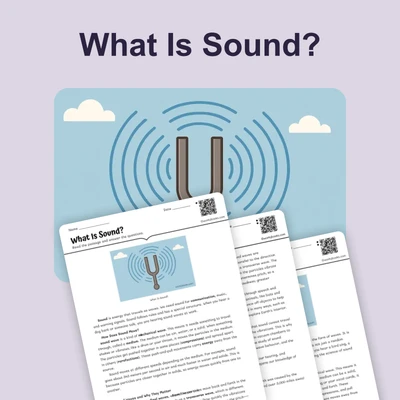
Sound is a form of energy that we experience every day, whether we are listening to music, talking with friends, or hearing a bird sing. But what causes sound, and why can we hear it? All sound begins with a vibration. When an object vibrates—meaning it moves back and forth very quickly—it disturbs the particles in the surrounding matter, such as air, water, or a solid. These disturbances create pressure waves that travel outward from the source. The science of sound production is essential in understanding everything from musical instruments to how we communicate.
The Mechanism of Sound Production
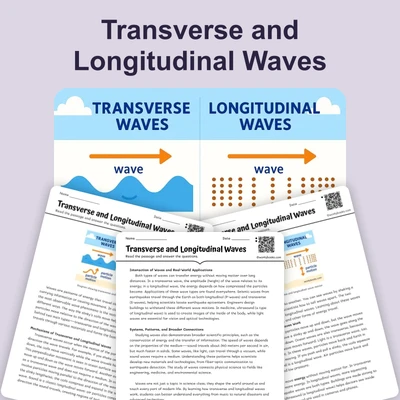
When an object vibrates, it pushes and pulls on the molecules around it, creating alternating regions of high and low pressure. These changes in pressure form waves that move through the medium—the material through which sound travels. For example, when a guitar string is plucked, it vibrates rapidly, causing the air molecules next to it to move. This movement creates a chain reaction, passing energy from one molecule to the next, and a longitudinal wave travels through the air to our ears. The same process occurs when vocal cords vibrate to produce speech or a drum membrane is struck, sending sound waves through the air.
Frequency, Pitch, and Examples
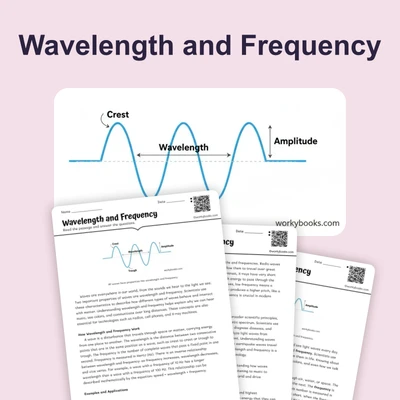
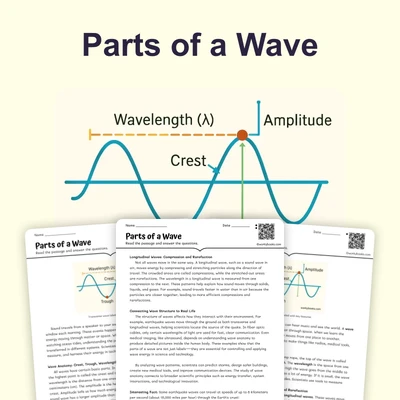
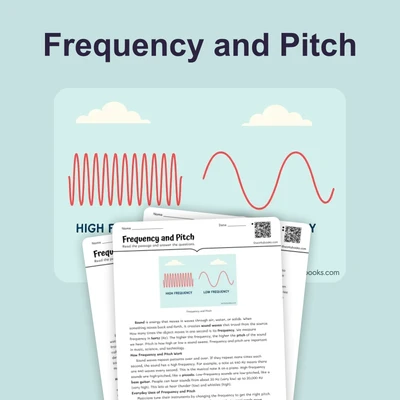
The speed of vibration, called frequency, determines the pitch of the sound. Frequency is measured in hertz (Hz), which means cycles per second. A higher frequency means the object vibrates faster and produces a higher-pitched sound. For example, a small tuning fork vibrates more quickly and creates a higher note than a larger one. Scientists can measure these vibrations using specialized equipment. Human ears typically detect frequencies between 20 Hz and 20,000 Hz. Tuning forks are often used to demonstrate these principles because their steady vibration produces a clear, single frequency.
Applications and Broader Implications
Understanding sound production is vital in technology and daily life. Microphones convert sound waves into electrical signals so we can record and amplify voices. Speakers do the reverse, transforming electrical signals into vibrations that create sound waves we hear. Sound waves also enable medical imaging, such as ultrasound, and are important in environmental studies, like monitoring animal populations using bioacoustics. Recognizing how sound interacts with different materials helps engineers design better concert halls, quiet machines, and safer vehicles. All these applications rely on the basic principle: sound starts with vibration and travels as a wave.
Sound production connects with larger scientific ideas about energy, waves, and how information is transmitted. By studying sound, scientists have developed new ways to communicate, treat disease, and understand the world around us.
Interesting Fact:
Whales can communicate using sound waves that travel thousands of kilometers through the ocean!
Comprehension quiz (10 questions)
1. What is the source of all sound?
2. What do pressure waves do in the process of sound production?
3. Which of the following is NOT an example of sound being produced by vibration?
4. What is the relationship between frequency and pitch?
5. Frequency is measured in which unit?
6. What is the meaning of the word 'medium' in this passage?
7. How do microphones and speakers relate to sound waves?
8. If a tuning fork vibrates slower, what happens to the pitch of the sound?
9. True or False: Sound can travel through solids, liquids, and gases.
10. True or False: Only living things can create vibrations that make sound.
Perfect for the way you teach
- Build comprehension skills
- Auto-graded quiz
- Differentiated reading
- Read together at home
- Improve fluency
- Quiet reading time
- Reading curriculum support
- Independent practice
- Track Lexile growth