Immigrants Arrive at Ellis Island
Interactive passage with audio narration, comprehension questions, and printable PDF.
By completing this purchase you agree to our Terms of Use and Privacy Policy. Your subscription renews automatically until you cancel. You can cancel anytime from your account settings. All sales are final and non-refundable. Digital content is available for download in your account immediately upon purchase.
What's included
Part of this bundle

Immigrants Arrive at Ellis Island preview and details
About this printable Immigrants Arrive at Ellis Island reading passage (Grades 3-5)
Sample passage and quiz from Immigrants Arrive at Ellis Island
Reading passage and comprehension quiz preview
Ellis Island Immigration
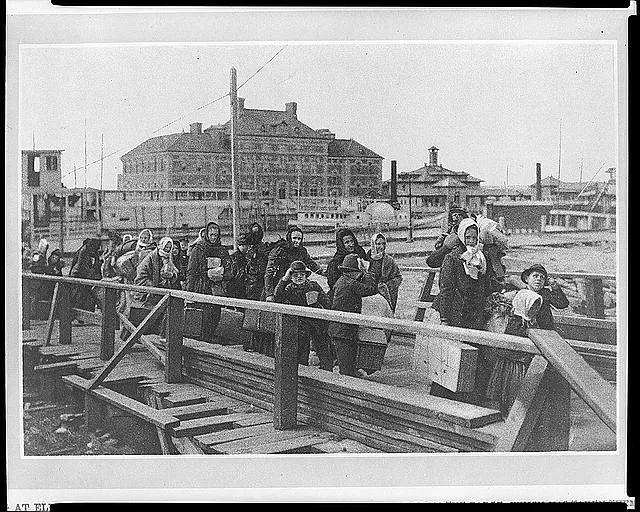
Source: Library of Congress - Library of Congress
Ellis Island was the busiest immigration station in the United States. From 1892 to 1954, more than 12 million people passed through its doors. These immigrants came from many different countries, each hoping for a better life in America.
After weeks on crowded ships, families arrived in New York Harbor. The first thing many saw was the Statue of Liberty. This statue became a symbol of hope for freedom and new beginnings.
When ships reached Ellis Island, people left their belongings behind and stepped onto the dock. They entered a large building called the processing center. Here, government workers checked each person. They asked questions about names, ages, and where they came from. Doctors examined everyone for signs of illness. This process was called inspection.
Some families waited for hours or even days. Children held tightly to their parents. Many people felt nervous and excited at the same time. The lines were long, but the chance for a new life made the wait easier.
If someone was sick or had problems with their papers, they might have to stay on Ellis Island longer. Some were sent back to their home countries. Most, however, passed inspection and were allowed to enter the United States.
After leaving Ellis Island, families traveled to cities like New York, Chicago, and beyond. They found jobs, built homes, and started new communities. Immigrants brought their languages, foods, and traditions. These helped shape American culture.
Ellis Island stands as a symbol of bravery and hope. The people who passed through faced many challenges but worked hard for a better future. Their journeys changed the nation forever.
Interesting Fact: At its busiest, Ellis Island processed over 11,000 immigrants in a single day!
Comprehension quiz (8 questions)
1. Where was Ellis Island located?
2. What time period did Ellis Island operate?
3. What was the first thing many immigrants saw?
4. Why did families feel nervous at Ellis Island?
5. What happened after immigrants passed inspection?
6. How did immigrants help American culture?
7. Ellis Island processed over 11,000 immigrants in a day. True or False?
8. What is a 'processing center'?
Perfect for the way you teach
- Build comprehension skills
- Auto-graded quiz
- Differentiated reading
- Read together at home
- Improve fluency
- Quiet reading time
- Reading curriculum support
- Independent practice
- Track Lexile growth