Indonesia Peatlands and Carbon Storage
Interactive passage with audio narration, comprehension questions, and printable PDF.
By completing this purchase you agree to our Terms of Use and Privacy Policy. Your subscription renews automatically until you cancel. You can cancel anytime from your account settings. All sales are final and non-refundable. Digital content is available for download in your account immediately upon purchase.
What's included
Indonesia Peatlands and Carbon Storage preview and details
About this printable Indonesia Peatlands and Carbon Storage science reading passage, NGSS-aligned (Grades 5-8)
Sample passage and quiz from Indonesia Peatlands and Carbon Storage
Reading passage and comprehension quiz preview
Indonesia Peatlands and Carbon Storage
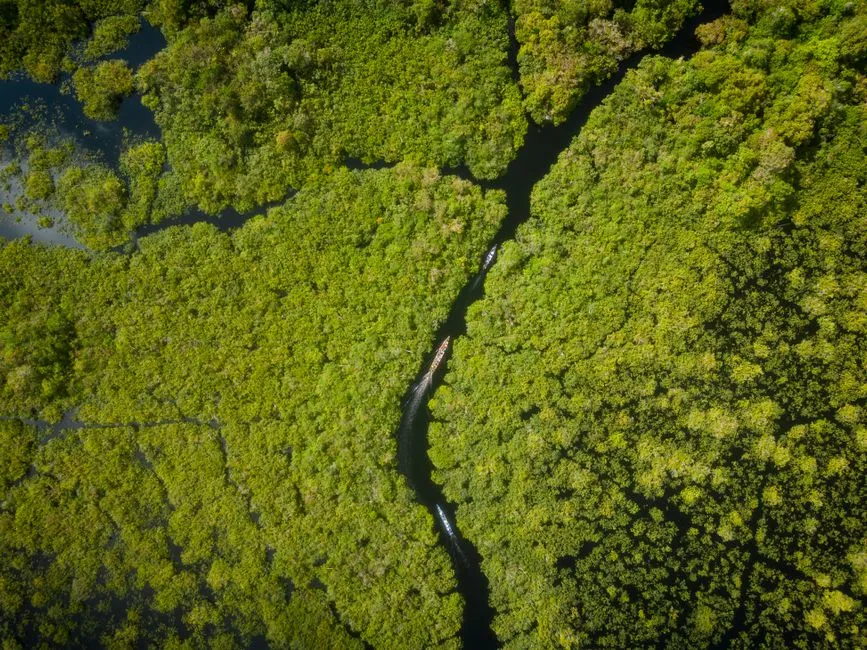
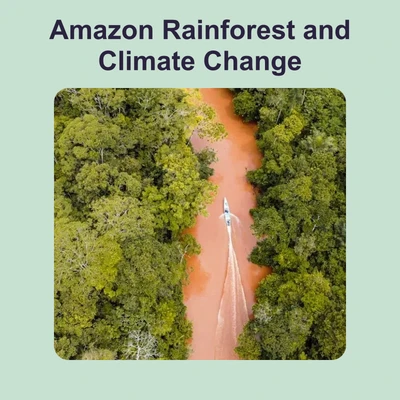
"A breathtaking aerial shot of the lush rainforest canopy in Central Kalimantan, Indonesia." by Erik Munandar / Pexels.
Deep in Indonesia's tropical forests lies one of Earth's most important carbon stores: peatlands. Peat is a type of soil made from plant material that has piled up over thousands of years. These plants do not fully decompose because the ground stays waterlogged. Without oxygen in the wet soil, bacteria and fungi cannot break down the dead plants completely. Instead, the plant matter accumulates layer upon layer, forming thick deposits of peat.
Indonesia's peatlands cover a relatively small area but hold staggering amounts of carbon. Scientists estimate these wetlands store about 55 billion tons of carbon. That represents decades of plant growth locked away in the soil. The waterlogged conditions act like a natural freezer, preserving the carbon instead of releasing it into the atmosphere. This process keeps carbon dioxide out of the air, which helps regulate Earth's climate.
Problems arise when peatlands are drained and cleared for agriculture. Farmers often convert these areas to grow crops like palm oil. When water is removed, oxygen enters the soil and decomposition speeds up dramatically. The dried peat releases its stored carbon as carbon dioxide gas. Evidence shows that drained peatlands can release several tons of carbon dioxide per acre each year. Even worse, dried peat becomes extremely flammable. Fires can ignite and smolder underground for months, sending massive amounts of smoke and carbon dioxide into the atmosphere.
In 2015, Indonesia experienced severe peatland fires that burned for weeks. The fires released more carbon dioxide in some days than the entire United States economy produced. The thick haze affected millions of people across Southeast Asia. Scientists explain that protecting and rewetting degraded peatlands can reverse this damage. By raising water levels again, decomposition slows and the peat stops releasing carbon.
Peatland conservation matters because these ecosystems play a major role in the global carbon cycle. Protecting Indonesia's peatlands helps prevent climate change while preserving unique habitats for plants and animals. International efforts now focus on rewetting drained areas and finding sustainable alternatives to peatland agriculture.
Interesting Fact: If all of Indonesia's peatlands were drained and burned, they would release as much carbon dioxide as burning all the world's forests combined.
Comprehension quiz (10 questions)
1. What is peat made from?
2. Why don't plants fully decompose in peatlands?
3. Approximately how much carbon do Indonesia's peatlands store?
4. In the passage, what does the word 'flammable' mean?
5. What does 'rewetting' mean in the context of peatland conservation?
6. Based on the passage, what can be inferred about the relationship between oxygen and carbon storage in peatlands?
7. Why are the 2015 Indonesia peatland fires significant for understanding climate change?
8. If a farmer wanted to use peatland for palm oil production without harming the climate, what would be the best approach based on the passage?
9. True or False: Waterlogged conditions in peatlands help keep carbon dioxide out of the atmosphere.
10. True or False: Once peatlands are drained, they cannot be restored to store carbon again.
Perfect for the way you teach
- Build comprehension skills
- Auto-graded quiz
- Differentiated reading
- Read together at home
- Improve fluency
- Quiet reading time
- Reading curriculum support
- Independent practice
- Track Lexile growth