Life in a Frontier Town
Interactive passage with audio narration, comprehension questions, and printable PDF.
By completing this purchase you agree to our Terms of Use and Privacy Policy. Your subscription renews automatically until you cancel. You can cancel anytime from your account settings. All sales are final and non-refundable. Digital content is available for download in your account immediately upon purchase.
What's included
Part of this bundle

Life in a Frontier Town preview and details
About this printable Life in a Frontier Town reading passage (Grades 3-5)
Sample passage and quiz from Life in a Frontier Town
Reading passage and comprehension quiz preview
Frontier Town Life
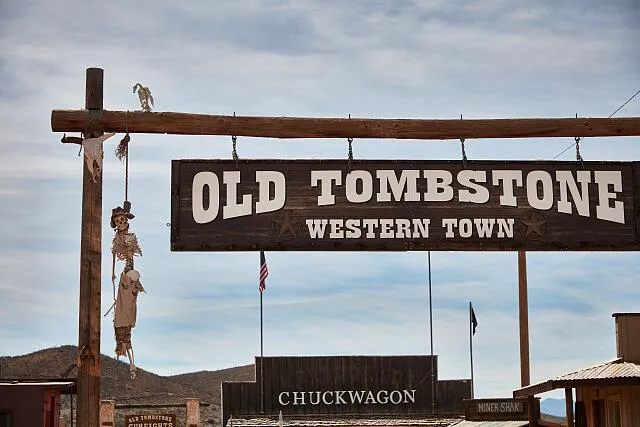
Source: Library of Congress - Highsmith, Carol M.,
The American frontier was full of new towns during Westward Expansion. People moved west to find land, jobs, and fresh starts. These settlers came from many places, including Europe, China, Mexico, and the eastern United States. They brought their own languages, foods, and traditions, making frontier towns very diverse.
Frontier towns grew quickly. At first, there might only be a few cabins or tents. But soon, important buildings appeared. The general store was the center of town life. People bought food, flour, tools, and even news there. The blacksmith shop was also important. The blacksmith fixed wagons, made horseshoes, and built iron tools for everyone.
Life in a frontier town was not easy. There were few roads and no cars. People walked, rode horses, or drove wagons on dusty or muddy streets. Many towns had only dirt roads. In winter, cold winds and snow made travel hard. In summer, heat and dust filled the air. Still, people worked together to build homes, schools, and churches. Children helped their families with chores, like carrying water or feeding animals.
Towns had places where adults gathered, like the saloon. Saloons were meeting spots for talking, relaxing, and sometimes dancing. Some towns also had a post office or a jail. For fun, people held dances, horse races, and celebrations. These events gave everyone a chance to be together and share stories.
Many settlers faced danger. Sometimes, there were fights over land, or trouble with wild animals. But people solved problems by working as a team. They built fences, formed groups to keep the town safe, and helped neighbors in need. This spirit of unity made life better for everyone.
Over time, some frontier towns grew into big cities. Others faded away when gold, silver, or jobs ran out. But the people who lived there showed great bravery and hope. They built new lives and created strong communities.
Interesting Fact: Some frontier towns, like Bodie in California, still stand today as "ghost towns" where no one lives, but visitors can see what life was like in the Old West.
Comprehension quiz (8 questions)
1. What was the main store in town?
2. Who fixed wagons and made tools?
3. From where did settlers come?
4. Why did people move west?
5. What was one problem in towns?
6. How did people solve problems?
7. Frontier towns had only paved roads.
8. What does 'diverse' mean?
Common Core standards for Life in a Frontier Town
Explain events, procedures, ideas, or concepts in a historical, scientific, or technical text, including what happened and why, based on specific information in the text.
Determine the meaning of general academic and domain-specific words or phrases in a text relevant to a grade 4 topic or subject area.
Write informative/explanatory texts to examine a topic and convey ideas and information clearly.
Perfect for the way you teach
- Build comprehension skills
- Auto-graded quiz
- Differentiated reading
- Read together at home
- Improve fluency
- Quiet reading time
- Reading curriculum support
- Independent practice
- Track Lexile growth