Unfair Taxes and the Stamp Act
Interactive passage with audio narration, comprehension questions, and printable PDF.
By completing this purchase you agree to our Terms of Use and Privacy Policy. Your subscription renews automatically until you cancel. You can cancel anytime from your account settings. All sales are final and non-refundable. Digital content is available for download in your account immediately upon purchase.
What's included
Part of this bundle

Unfair Taxes and the Stamp Act preview and details
About this printable Unfair Taxes and the Stamp Act reading passage (Grades 3-5)
Sample passage and quiz from Unfair Taxes and the Stamp Act
Reading passage and comprehension quiz preview
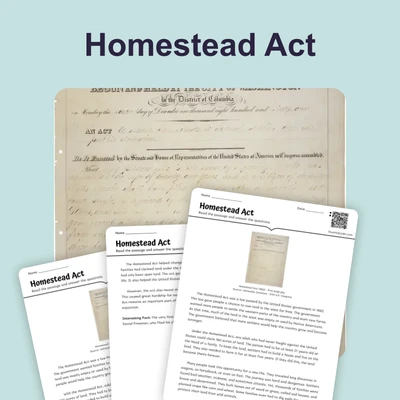
Stamp Act
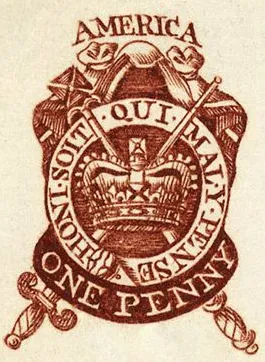
Source: Wikimedia Commons - not listed
The Stamp Act of 1765 was a law made by the British Parliament. It told the American colonists they had to pay a new tax. This tax was on all kinds of paper goods, like newspapers, playing cards, and legal documents. The colonists had to buy special stamps to put on these items. If something did not have a stamp, it was not legal.
The British government said the tax was needed to pay for soldiers in America. These soldiers had fought in the French and Indian War to protect the colonies. But many colonists did not agree with this idea. They thought the tax was unfair. The colonists did not have anyone in the British government to speak for them. They called this "taxation without representation."
The Stamp Act made life harder for many colonists. Printers, lawyers, and shop owners had to pay extra money for stamps. Regular people had to pay more for their newspapers and even for a deck of cards. The tax hurt everyone, not just the rich. This made the colonists angry. They started to work together to protest the Stamp Act.
People in the colonies spoke out against the law. They held meetings and wrote letters to the British government. Groups called the Sons of Liberty formed to lead the protests. In some cities, people burned piles of stamped paper. They also scared the people who sold the stamps so they would quit.
Colonists also stopped buying British goods. This was called a boycott. When the British saw they were losing money, many shop owners and workers in Britain wanted the law gone, too. The colonists sent leaders to a meeting called the Stamp Act Congress. They asked King George III and Parliament to end the tax.
After many months of protest, the British Parliament decided to end the Stamp Act in 1766. The colonists were happy, but they also learned an important lesson. They saw that if they worked together, they could stand up for their rights. This was an important step toward American freedom.
Interesting Fact: The phrase "No taxation without representation" became a famous rallying cry for the colonists and is still remembered today.
Comprehension quiz (8 questions)
1. What did the Stamp Act tax?
2. Who made the Stamp Act law?
3. When did the Stamp Act end?
4. Why did colonists call the tax unfair?
5. What did colonists do to protest?
6. What was the Sons of Liberty?
7. The Stamp Act made colonists happy. True or false?
8. What does 'boycott' mean?
Common Core standards for Unfair Taxes and the Stamp Act
Refer to details and examples in a text when explaining what the text says explicitly and when drawing inferences from the text.
Explain events, procedures, ideas, or concepts in a historical, scientific, or technical text, including what happened and why, based on specific information in the text.
Perfect for the way you teach
- Build comprehension skills
- Auto-graded quiz
- Differentiated reading
- Read together at home
- Improve fluency
- Quiet reading time
- Reading curriculum support
- Independent practice
- Track Lexile growth