The Star-Spangled Banner and War — Reading Comprehension
Rate this
Premium Resource
Present
Present in classroom. No work saved
Assign
Classroom with student accounts, Track progress
Quick Play
No student accounts, assign with a link
Grades
3
4
5
Standards
D2.HIS.1-4.3-5
RI.4.1
RI.4.3
RI.4.4
PRINT+DIGITAL RESOURCE
This learning resource is available in interactive and printable formats. The interactive worksheet can be played online and assigned to students. The Printable PDF version can be downloaded and printed for completion by hand.
This reading passage explores the inspiring story of 'The Star-Spangled Banner' and its origins during the War of 1812. Students will learn how Francis Scott Key wrote the famous poem after witnessing the battle at Fort McHenry and how it became the United States national anthem. The passage highlights important historical facts, key vocabulary, and cause-and-effect relationships. It encourages students to think about the importance of unity, bravery, and national symbols. Included are a glossary, Spanish translation, timeline, multiple-choice questions, and writing prompts. This resource is ideal for building historical knowledge and literacy skills. The passage and activities align with the C3 Framework and Common Core State Standards for history and literacy. This is a history reading passage with read aloud audio and Spanish translation.
CONTENT PREVIEW
Expand content preview
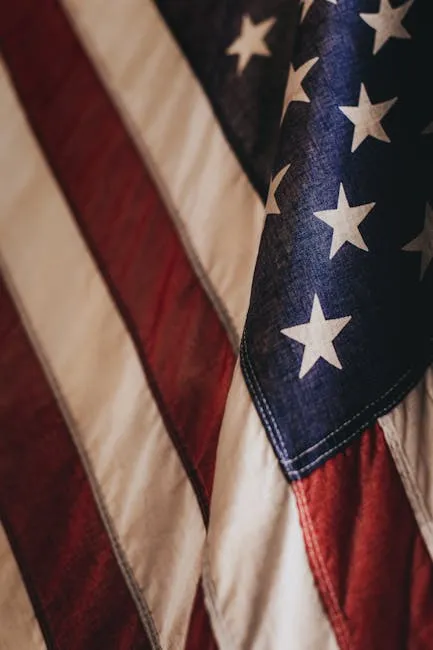
Patriotic close-up of the United States flag showcasing the stars and stripes pattern. Source: Pexels - Tim Mossholder
The Star-Spangled Banner is the national anthem of the United States. This famous song was written by Francis Scott Key during a time of war. In September 1814, the United States was fighting the British in the War of 1812. Key was a lawyer and poet. He went to Baltimore, Maryland, to help free a friend who had been captured by the British.
While in Baltimore, Key boarded a British ship to talk about his friend’s release. The British officers agreed to let both men go, but only after attacking Fort McHenry, a strong American fort guarding Baltimore’s harbor. Key and his friend had to stay on the ship during the attack. On the night of September 13, 1814, British ships fired hundreds of rockets and bombs at Fort McHenry. It was a long and noisy night.
Key watched the fort through the darkness. Whenever a bomb exploded, he looked for the American flag. If the flag was still flying, it meant the fort had not fallen. By dawn, the flag was still there, waving proudly above the fort. Key was filled with hope and pride. He wrote a poem to express what he saw and felt. He called it "The Defence of Fort McHenry." The poem described the flag as a symbol of freedom and courage.
This poem was later set to music and renamed "The Star-Spangled Banner." It became popular across the country. In 1931, it was made the official national anthem of the United States. Today, the song is sung at many events, including sports games, school assemblies, and government ceremonies. The anthem reminds people of the bravery of those who defended the fort and the meaning of the American flag.
The story of the Star-Spangled Banner shows how one night of danger and hope created a lasting symbol for the nation. It teaches us that even in hard times, people can stand together and inspire others with their courage.
Interesting Fact: The original Star-Spangled Banner flag was so large it measured 30 by 42 feet and had 15 stripes and 15 stars.
Who wrote the Star-Spangled Banner?
Francis Scott KeyGeorge WashingtonThomas JeffersonAbraham Lincoln
Where did the British attack in 1814?
Fort McHenryThe White HouseBoston HarborIndependence Hall
When did the Star-Spangled Banner become the national anthem?
1931181217761865
Why did Key watch the flag all night?
To see if the fort survivedTo draw a pictureTo count the starsTo sing a song
What did the flag symbolize for Key?
Freedom and courageMoney and powerWeather and seasonsFood and water
What effect did the flag have on Key?
He felt hope and prideHe was angryHe became tiredHe left the ship
The Star-Spangled Banner is a poem. True or false?
TrueFalse
What is a fort?
A strong building for defenseA kind of songA type of shipA special flag
Perfect For:
👩🏫 Teachers
• Reading comprehension practice
• Auto-graded assessments
• Literacy skill development
👨👩👧👦 Parents
• Reading practice at home
• Comprehension improvement
• Educational reading time
🏠 Homeschoolers
• Reading curriculum support
• Independent reading practice
• Progress monitoring
Reading Features:
📖
Reading Passage
Engaging fiction or nonfiction text
❓
Comprehension Quiz
Auto-graded questions
📊
Instant Feedback
Immediate results and scoring
📄
Printable Version
Download for offline reading
🔊
Read Aloud
Voice-over with word highlighting
Reviews & Ratings
No reviews yet. Be the first to share your experience!
Related Content
Trade and Trading Routes Between Tribes
This engaging history reading passage explores the important role of trade and trading routes between Native American tr...
D2.HIS.1-4.3-5RI.4.1RI.4.3RI.4.4
The 13 Original Colonies: An Overview
This engaging U.S. history reading passage introduces students to the 13 original colonies. It presents the story of how...
D2.HIS.1-4.3-5RI.4.3RI.4.4RI.4.10
The French and Indian War
This educational history reading passage explores the French and Indian War, a major conflict in North America before th...
D2.HIS.1-4.3-5RI.4.1RI.4.3RI.4.4
Unfair Taxes and the Stamp Act
This engaging U.S. history reading passage explores the story of the Stamp Act and unfair taxes in colonial America. Ali...
D2.HIS.1-4.3-5RI.4.1RI.4.3
Paul Revere's Midnight Ride
This U.S. History reading passage explores the famous Midnight Ride of Paul Revere, a key event in the American Revoluti...
D2.HIS.1-4.3-5RI.4.3RI.4.4RI.4.10
The Declaration of Independence and Thomas Jefferson
This engaging passage teaches students about the Declaration of Independence and Thomas Jefferson, one of America's Foun...
D2.HIS.1-4.3-5RI.4.1RI.4.2RI.4.3
Soldiers at Valley Forge in Winter
Explore the inspiring story of the Continental Army at Valley Forge during the harsh winter of 1777-1778. This history r...
D2.HIS.1-4.3-5RI.4.3RI.4.4RI.5.3
The Treaty of Paris 1783
This passage introduces students to the Treaty of Paris 1783, the important agreement that officially ended the American...
D2.HIS.1-4.3-5RI.4.3RI.4.4RI.4.10
Thomas Jefferson and the Louisiana Purchase
This engaging U.S. history reading passage teaches students about Thomas Jefferson and the Louisiana Purchase, one of th...
D2.HIS.1-4.3-5RI.4.3RI.5.3
James Madison and the War of 1812
This engaging U.S. history reading passage focuses on James Madison and the War of 1812. Students learn about key events...
D2.HIS.1-4.3-5RI.4.1RI.4.3RI.4.4
The First Political Parties Form
This engaging passage explores the formation of America's first political parties, highlighting the Federalists and Demo...
D2.HIS.1-4.3-5RI.4.3RI.4.4
James Monroe and the Monroe Doctrine
This engaging U.S. history reading passage introduces students to President James Monroe and the Monroe Doctrine, a key ...
D2.HIS.1-4.3-5RI.4.1RI.4.2RI.4.3
Americans Move West: The Oregon Trail
This engaging history passage explores the Oregon Trail and the westward movement of Americans in the 1800s. Students wi...
D2.HIS.1-4.3-5RI.4.3RI.4.4RI.5.3
Cowboys and Cattle Drives
This engaging U.S. History reading passage introduces students to the world of cowboys and cattle drives, a key part of ...
D2.HIS.1-4.3-5RI.4.3RI.4.4RI.5.3
Life in a Frontier Town
This passage explores the daily life and challenges faced by people living in a frontier town in the early United States...
D2.HIS.1-4.3-5RI.4.3RI.4.4W.4.2
Homestead Act: Free Land for Settlers
This engaging history reading passage explores the Homestead Act and its impact on American settlers moving west. Studen...
D2.HIS.1-4.3-5RI.4.3RI.4.4
Dangers on the Oregon Trail
This reading passage explores the many dangers faced by pioneers on the Oregon Trail, one of the most significant journe...
D2.HIS.1-4.3-5RI.4.1RI.4.3RI.4.4
Native Americans Lose Their Lands: The Trail of Tears
This reading passage explores the story of the Trail of Tears, focusing on the experiences of Native Americans as they l...
D2.HIS.1-4.3-5RI.4.3RI.4.4RI.4.7
Sherman's March to the Sea
This U.S. history reading passage explores Sherman's March to the Sea, a turning point during the Civil War. Students wi...