The 13 Original Colonies: An Overview
Interactive passage with audio narration, comprehension questions, and printable PDF.
By completing this purchase you agree to our Terms of Use and Privacy Policy. Your subscription renews automatically until you cancel. You can cancel anytime from your account settings. All sales are final and non-refundable. Digital content is available for download in your account immediately upon purchase.
What's included
Part of this bundle

The 13 Original Colonies: An Overview preview and details
About this printable The 13 Original Colonies: An Overview reading passage (Grades 3-5)
Sample passage and quiz from The 13 Original Colonies: An Overview
Reading passage and comprehension quiz preview
13 Colonies Overview
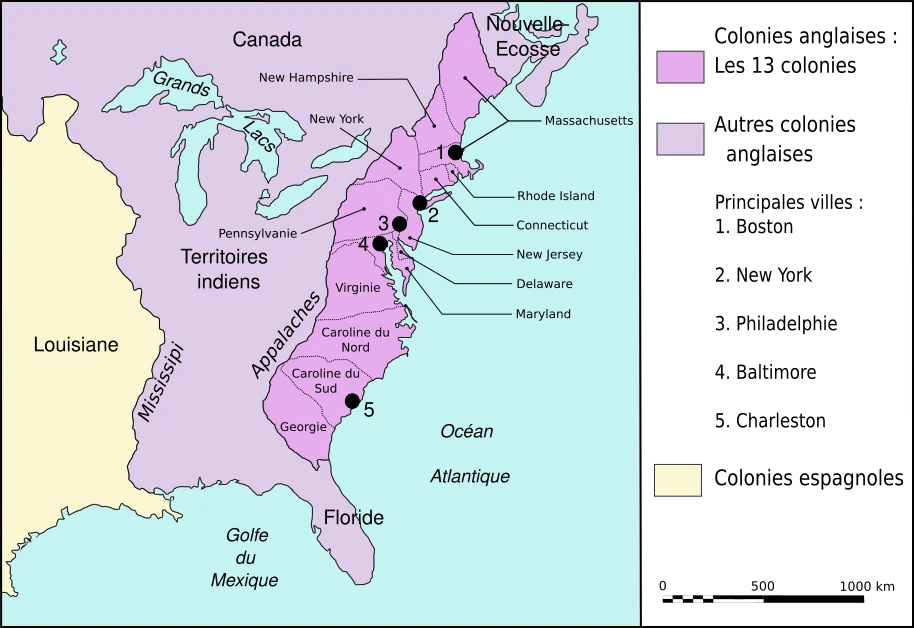
"Map Thirteen Colonies 1775" by Urban / Wikimedia Commons.
The 13 Colonies were British settlements along the Atlantic coast of North America. These colonies were the first parts of what would become the United States. The colonies were divided into three main regions: New England, Middle, and Southern Colonies. Each region had its own geography, economy, and way of life.
The New England Colonies included Massachusetts, Rhode Island, Connecticut, and New Hampshire. The land there was rocky and the winters were cold. People in New England built small towns. They farmed, fished, and cut down trees for lumber. Many families worked together on small farms. Ships from New England carried goods like fish and lumber to other colonies and to England.
The Middle Colonies were New York, New Jersey, Pennsylvania, and Delaware. These colonies had rich soil and a milder climate. Farmers grew wheat and other grains. The Middle Colonies became known as the "breadbasket" because they grew so much food. People from many different countries and religions lived there. The cities of Philadelphia and New York became important centers for trade and business.
The Southern Colonies were Maryland, Virginia, North Carolina, South Carolina, and Georgia. The South had warm weather and long growing seasons. Large farms called plantations grew crops like tobacco, rice, and indigo. Plantations often used enslaved workers. Towns were far apart, so most people lived on farms or plantations.
Life in the colonies was not easy. People had to work hard to build homes, grow food, and stay safe. Colonists faced problems like harsh weather, disease, and conflicts with Native Americans. Still, the colonies grew and changed quickly. Over time, they developed their own governments. Each colony had leaders who made laws. People often gathered in town meetings or assemblies to make decisions.
Even though the colonies were different, they began to work together. They traded goods, shared ideas, and sometimes helped each other in times of trouble. The British king and government made rules for the colonies, but colonists wanted more freedom to make their own decisions. Over time, these shared problems and hopes brought the colonies closer together.
By working together, the 13 Colonies learned how to solve problems and build a new society. These early lessons would help them later when they fought for independence and became the United States.
Interesting Fact: The first college in the colonies was Harvard, founded in Massachusetts in 1636.
Comprehension quiz (8 questions)
1. How many original colonies were there?
2. Which colonies were called the 'breadbasket'?
3. What crop was common in Southern Colonies?
4. Why did people in New England fish and cut trees?
5. Why were plantations important in the South?
6. What did colonists want from the British king?
7. The colonies were all the same. True or false?
8. What is a "plantation"?
Common Core standards for The 13 Original Colonies: An Overview
By the end of year, read and comprehend informational texts, including history/social studies, science, and technical texts, in the grades 4–5 text complexity band proficiently, with scaffolding as needed at the high end of the range.
Explain events, procedures, ideas, or concepts in a historical, scientific, or technical text, including what happened and why, based on specific information in the text.
Determine the meaning of general academic and domain-specific words or phrases in a text relevant to a grade 4 topic or subject area.
Write informative/explanatory texts to examine a topic and convey ideas and information clearly.
Conduct short research projects that build knowledge through investigation of different aspects of a topic.
Perfect for the way you teach
- Build comprehension skills
- Auto-graded quiz
- Differentiated reading
- Read together at home
- Improve fluency
- Quiet reading time
- Reading curriculum support
- Independent practice
- Track Lexile growth