Reading PassagePremium

Trade in the Roman Empire

Interactive passage with audio narration, comprehension questions, and printable PDF.

No ratings yet|
11
Grades 5–8ReadingElaSocial-studiesHistoryEnglish · SpanishInteractive · Printable
Aligned toCA HSS 6.7RH.6-8.1RH.6-8.4WHST.6-8.2
Just this resource
$1.50
One-time purchase
Best value
Unlock everything
$49.99$24.99/yr
50% off until Sept 15 — 10,000+ resources
Renews at $49.99/year.
Unlock above to use these actions

What's included

Reading passage
Audio narration
Comprehension quiz
Writing activity
Glossary & flashcards
Differentiated version
Spanish translation

Trade in the Roman Empire preview and details

About this printable Trade in the Roman Empire reading passage (Grades 5-8)

This engaging passage explores the trade networks of the Roman Empire, highlighting their vast reach across Europe, Africa, and Asia. Students will learn how Roman trade shaped daily life, connected distant civilizations, and influenced the empire’s economy and power. The text includes specific examples from archaeological findings and primary sources, such as amphorae and ancient texts, to help students analyze evidence like historians. Activities include a multiple-choice quiz, writing prompts, graphic organizers, and a timeline, all aligned to CA HSS 6.7 and CCSS RH.6-8.1. A simplified version and Spanish translation ensure accessibility for all students, making this resource ideal for exploring ancient history, trade, and the impact of geography on civilizations. Read aloud audio and a rich glossary support academic vocabulary development.
Written by Workybooks TeamPublished by Workybooks
Preview

Sample passage and quiz from Trade in the Roman Empire

Reading passage and comprehension quiz preview

Trade in the Roman Empire
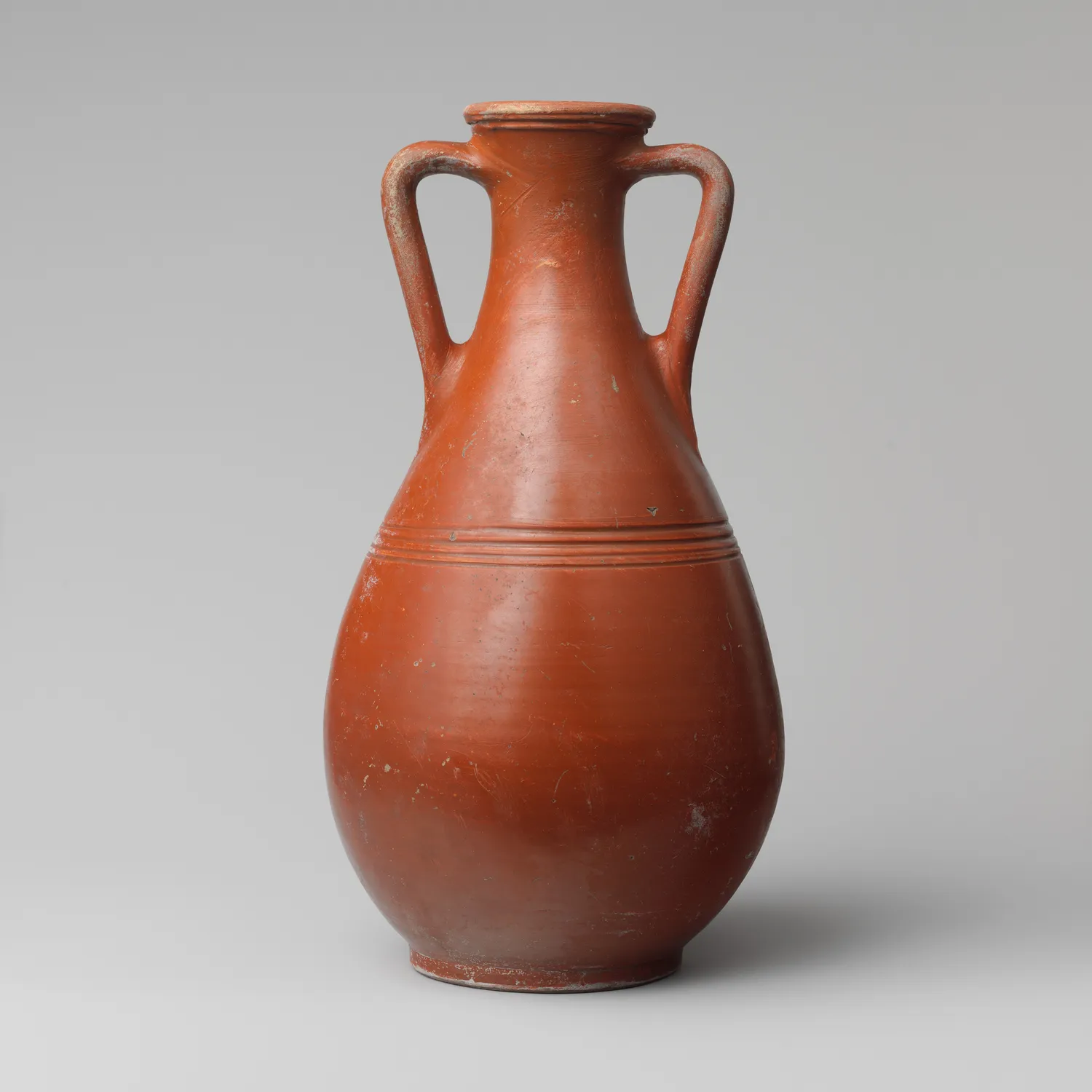
Terracotta amphora (jar) MET DP107070

Archaeologists have discovered thousands of amphorae—terracotta jars used to transport products—on the floors of ancient harbors. Wikimedia Commons 

The Roman Empire was famous for its powerful military, advanced engineering, and especially its vast trade networks. By the first century CE, the empire stretched from modern-day Britain in the west to Egypt in the south and Mesopotamia in the east. This huge territory included many different regions and cultures, which were connected by a complex system of trade routes.

The Mediterranean Sea was called "Mare Nostrum" or "Our Sea" by the Romans because it formed the heart of their trading system. Ships carried goods like olive oil, wine, grain, and pottery between major ports such as Ostia, Alexandria, and Carthage. Archaeologists have discovered thousands of amphorae—terracotta jars used to transport products—on the floors of ancient harbors. Over land, Roman roads like the famous Via Appia allowed merchants and armies to travel quickly across the empire. These roads connected cities and made it easier to move goods, people, and information.

Trade was not limited to the empire’s borders. The Romans established links with distant civilizations through the Silk Road, a network of trade routes stretching all the way to China. Silk from Asia, spices from India, and ivory from Africa arrived in Rome through these connections. Roman coins have been found as far east as Vietnam, showing how far their trade reached. The famous Roman author Pliny the Elder wrote about the vast amounts of gold and silver spent on luxuries from the East, revealing both admiration and concern about the wealth leaving the empire.

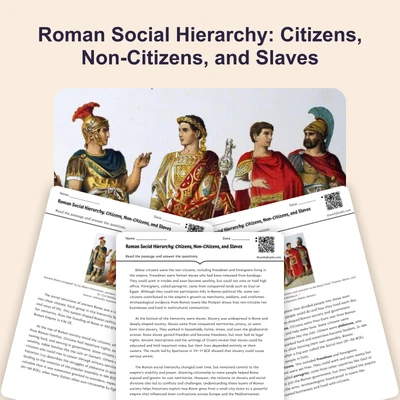
Trade shaped daily life and social hierarchy. Wealthy Romans wore silk and enjoyed exotic foods, while merchants gained status by importing rare goods. Ports and commercial cities became bustling centers of culture and commerce, attracting people from all over the empire. However, not everyone benefited equally. Slaves and the poor often worked in hard jobs related to shipping and transport, while the elite profited the most.

The Roman trade networks allowed knowledge, technologies, and beliefs to spread across continents. Over time, these connections helped create a more unified Mediterranean world. However, historians debate whether the flow of luxury goods weakened the Roman economy or made it stronger. Archaeological evidence and primary sources, like shipwrecks and ancient texts, continue to provide new insights into these questions.

Today, the Roman Empire’s trade networks are an important example of how geography, technology, and human ambition can shape history. The networks not only brought wealth and goods but also spread ideas and cultures, connecting the ancient world in powerful ways.

Interesting Fact: Black pepper, a luxury spice from India, was so valuable in Rome that it was sometimes used to pay rent and taxes!

Comprehension quiz (8 questions)

1. What sea was 'Mare Nostrum'?

Mediterranean Sea
Black Sea
Red Sea
Caspian Sea

2. What were amphorae used for?

Transporting goods
Writing letters
Building roads
Making coins

3. Who was Pliny the Elder?

Roman author
Roman emperor
Merchant
Soldier

4. Why were Roman roads important?

Helped move goods
Used for farming
Decorated cities
Built for games

5. What is a social hierarchy?

Ranking of people
A kind of ship
Type of coin
A trade route

6. How did trade impact daily life?

Brought new goods
Stopped farming
Made wars
Closed ports

7. Roman coins were found in Vietnam. True or false?

True
False

8. Which word means 'scientists who study the past'?

Archaeologists
Merchants
Emperors
Sailors
Who it's for

Perfect for the way you teach

Teachers
  • Build comprehension skills
  • Auto-graded quiz
  • Differentiated reading
Parents
  • Read together at home
  • Improve fluency
  • Quiet reading time
Homeschoolers
  • Reading curriculum support
  • Independent practice
  • Track Lexile growth
Topics

Reviews & Ratings

No reviews yet. Be the first to share your experience!

More reading you might love

19 more
Passage
Founding of Rome - reading educational content
Grades 6–8

Founding of Rome

ancient history · CA HSS 6.7

$1.50
Passage
Etruscans of Early Italy - reading educational content
Grades 5–8

Etruscans of Early Italy

ancient history · CA HSS 6.7

$1.50
Passage
Livy the Roman Historian - reading educational content
Grades 6–8

Livy the Roman Historian

ancient history · CA HSS 6.7

$1.50
Passage
Patricians and Plebeians of Rome - reading educational content
Grades 5–8

Patricians and Plebeians of Rome

ancient history · CA HSS 6.7

$1.50
Passage
Twelve Tables of Roman Law - reading educational content
Grades 5–8

Twelve Tables of Roman Law

ancient history · CA HSS 6.7

$1.50
Passage
Legacy of Ancient Rome - reading educational content
Grades 5–8

Legacy of Ancient Rome

ancient history · CA HSS 6.7

$1.50
Passage
Rise of Christianity in Rome - reading educational content
Grades 5–8

Rise of Christianity in Rome

ancient history · CA HSS 6.7

$1.50
Passage
Medieval Monastery - reading educational content
Grades 5–8

Medieval Monastery

ancient history · CA HSS 6.7

$1.50
Passage
Cincinnatus and Roman Virtue - reading educational content
Grades 6–8

Cincinnatus and Roman Virtue

ancient history · CA HSS 6.7

Free
Passage
Cicero the Roman Orator - reading educational content
Grades 6–8

Cicero the Roman Orator

ancient history · CA HSS 6.7

$1.50
Passage
Social Classes of Ancient Rome - reading educational content
Grades 5–8

Social Classes of Ancient Rome

ancient history · CA HSS 6.7

$1.50
Passage
Roman Empire Around 300 CE - reading educational content
Grades 5–8

Roman Empire Around 300 CE

ancient history · CA HSS 6.7

$1.50
Passage
Christianity in the Roman Empire - reading educational content
Grades 5–8

Christianity in the Roman Empire

ancient history · CA HSS 6.7

$1.50
Passage
Maya Civilization in 300 CE  - reading educational content
Grades 5–8

Maya Civilization in 300 CE

ancient history · CA HSS 6.7

$1.50
Passage
Mansa Musa and Mali Empire - reading educational content
Grades 5–8

Mansa Musa and Mali Empire

ancient history · CA HSS 6.7

Free
Passage
Africans and Filipinos in Early California - reading educational content
Grades 3–5

Africans and Filipinos in Early California

us history · HSS 4.2.1

$1.50
Passage
Bear Flag Revolt - reading educational content
Grades 3–5

Bear Flag Revolt

us history · HSS 4.3.5

$1.50
Passage
First California Constitution - reading educational content
Grades 3–5

First California Constitution

us history · HSS 4.3.5

$1.50
Passage
California Forty-Niners - reading educational content
Grades 3–5

California Forty-Niners

us history · HSS 4.4.2

$1.50
Copyright © 2026 Workybooks. Made with ♥ in California.