Reading Passage

Cincinnatus and Roman Virtue

Interactive passage with audio narration, comprehension questions, and printable PDF.

No ratings yet|
11
Grades 6–8ReadingElaSocial-studiesHistoryEnglish · SpanishInteractive · Printable
Aligned toCA HSS 6.7CCSS.ELA-LITERACY.RI.6.1CCSS.ELA-LITERACY.RI.7.3

What's included

Reading passage
Audio narration
Comprehension quiz
Writing activity
Glossary & flashcards
Differentiated version
Spanish translation

Cincinnatus and Roman Virtue preview and details

About this printable Cincinnatus and Roman Virtue reading passage (Grades 6-8)

This rigorous history reading passage explores the story of Cincinnatus, a Roman farmer who became a dictator in a time of crisis and then returned to his simple life. Students will analyze the causes and effects of his leadership, learn about the Roman Republic, civic virtue, and social hierarchy, and examine primary sources and archaeological evidence. This resource includes a glossary, comprehension questions, writing prompts, graphic organizers, and a coloring page prompt. The passage aligns with CA HSS 6.7 and CCSS RI.6-8.1, supporting key skills in historical thinking and text analysis. Read aloud audio and Spanish translation ensure accessibility for all learners. Ideal for deepening understanding of Ancient Rome and the concept of model citizenship.
Written by Workybooks TeamPublished by Workybooks
Preview

Sample passage and quiz from Cincinnatus and Roman Virtue

Reading passage and comprehension quiz preview

Cincinnatus and Roman Virtue
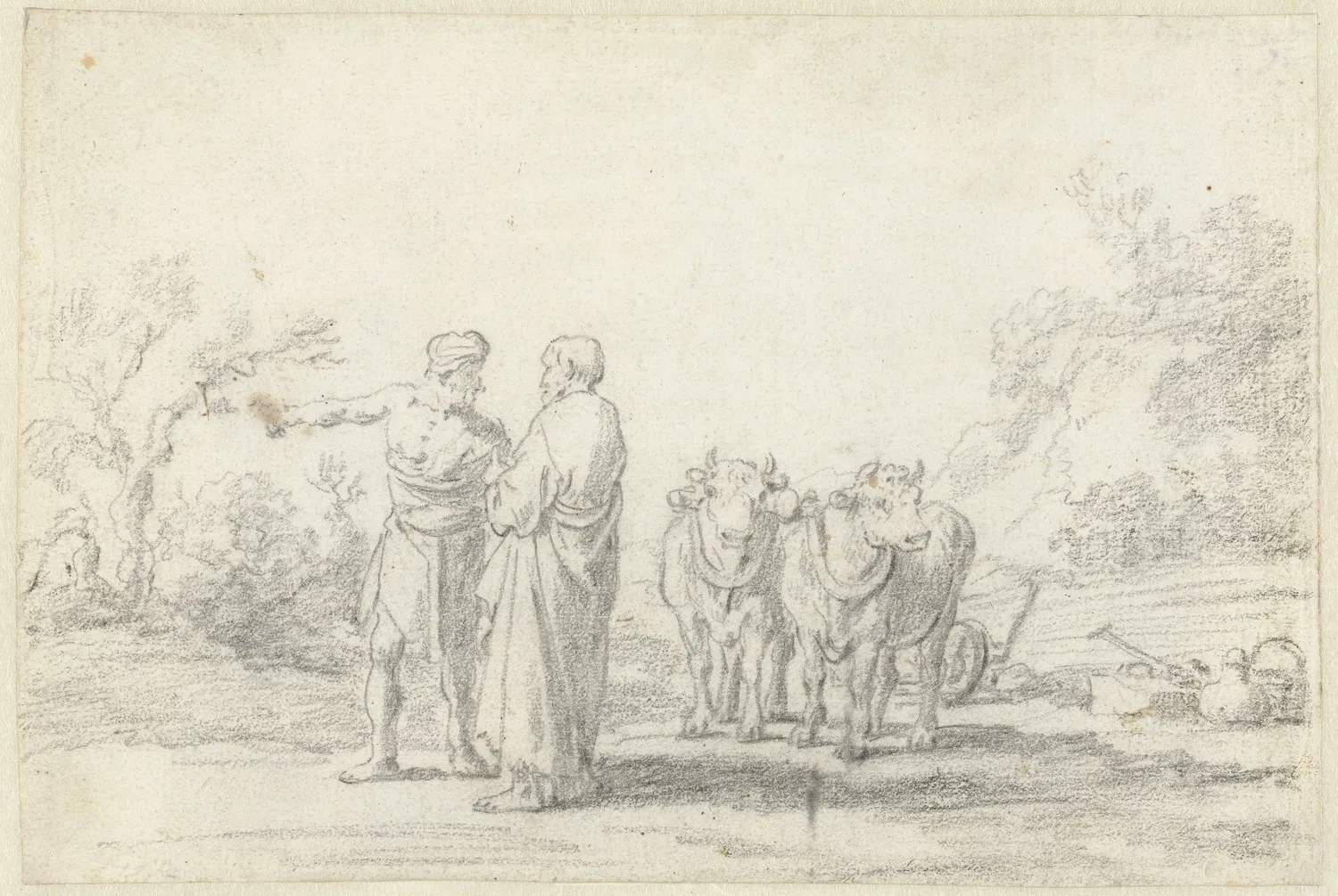
Lucius Quintius Cincinnatus wordt van de ploeg gehaald, RP-T-1937-72(R)

Lucius Quintius Cincinnatus / Wikimedia Commons.

Cincinnatus was a Roman farmer who became famous for his leadership during a crisis in the Roman Republic. Unlike many leaders who seek personal power, Cincinnatus is remembered for his dedication to the common good and for returning to his farm after serving as dictator. His story reflects important values of Ancient Rome, such as civic virtue and duty.

During the 5th century BCE, Rome was a small but growing city-state surrounded by enemies. In 458 BCE, the Roman Senate faced a military emergency. An enemy tribe, the Aequi, trapped a Roman army in the mountains. The Senate decided to appoint a dictator, a leader with total authority for a limited time, to save the Republic. They chose Cincinnatus, who was working on his farm outside Rome. According to the historian Livy, a group of senators found Cincinnatus plowing his fields and asked him to take charge. He agreed because he believed it was his responsibility to protect Rome.

Cincinnatus quickly organized forces and led the Romans to victory against the Aequi. His effective strategy and command were praised by ancient writers, including Livy and Cicero. After only sixteen days, he defeated the enemy, freed the trapped soldiers, and returned all power to the Senate. Instead of holding onto his authority, Cincinnatus went back to his farm. Archaeological evidence from this period, such as farming tools found near Rome, supports the idea that many Roman leaders, like Cincinnatus, valued a simple, agricultural life.

The story of Cincinnatus became a powerful example for later Romans. He showed that a true leader serves the state, not personal ambition. His actions influenced the Roman republican tradition and inspired others to value public service. Some ancient sources debate details of his life, but most agree on his reputation for integrity and modesty. The legend of Cincinnatus was also used to teach young Romans about the importance of putting the needs of the community before their own desires. His story is still discussed today as a model of selfless leadership.

Cincinnatus’s example shows the connection between individual choices and the well-being of society. The Roman Republic depended on leaders who respected the law and served with honor. By stepping down from power, Cincinnatus reinforced the balance between government authority and citizen rights. His legacy reminds us that history is shaped by the values and actions of individuals.

This story connects to broader historical themes, such as the development of democracy, the role of citizenship, and the responsibilities of leaders in society.

Interesting Fact: George Washington was sometimes called the "American Cincinnatus" because he also gave up power after leading his country in war.

Comprehension quiz (8 questions)

1. Who was Cincinnatus?

A Roman farmer and leader
A Greek philosopher
A Roman emperor
A famous gladiator

2. When did Cincinnatus become dictator?

458 BCE
44 BCE
27 BCE
509 BCE

3. Who were the enemies Cincinnatus fought?

The Aequi
The Gauls
The Carthaginians
The Etruscans

4. Why did the Senate choose Cincinnatus?

He was trusted and responsible
He was rich
He wanted power
He was emperor

5. What did Cincinnatus do after victory?

Returned power to the Senate
Became king
Stayed as dictator forever
Moved to Greece

6. How did Cincinnatus show civic virtue?

He gave up power for the public
He built a palace
He started a war
He collected taxes

7. Cincinnatus wanted to be dictator for life. True or false?

True
False

8. What does 'integrity' mean?

Being honest and moral
Being wealthy
Being powerful
Being artistic
Who it's for

Perfect for the way you teach

Teachers
  • Build comprehension skills
  • Auto-graded quiz
  • Differentiated reading
Parents
  • Read together at home
  • Improve fluency
  • Quiet reading time
Homeschoolers
  • Reading curriculum support
  • Independent practice
  • Track Lexile growth
Topics

Reviews & Ratings

No reviews yet. Be the first to share your experience!

More reading you might love

19 more
Passage
Founding of Rome - reading educational content
Grades 6–8

Founding of Rome

ancient history · CA HSS 6.7+4

$1.50
Passage
Etruscans of Early Italy - reading educational content
Grades 5–8

Etruscans of Early Italy

ancient history · CA HSS 6.7+3

$1.50
Passage
Livy the Roman Historian - reading educational content
Grades 6–8

Livy the Roman Historian

ancient history · CA HSS 6.7+3

$1.50
Passage
Patricians and Plebeians of Rome - reading educational content
Grades 5–8

Patricians and Plebeians of Rome

ancient history · CA HSS 6.7+2

$1.50
Passage
Twelve Tables of Roman Law - reading educational content
Grades 5–8

Twelve Tables of Roman Law

ancient history · CA HSS 6.7+4

$1.50
Passage
Legacy of Ancient Rome - reading educational content
Grades 5–8

Legacy of Ancient Rome

ancient history · CA HSS 6.7+1

$1.50
Passage
Rise of Christianity in Rome - reading educational content
Grades 5–8

Rise of Christianity in Rome

ancient history · CA HSS 6.7+3

$1.50
Passage
Trade in the Roman Empire - reading educational content
Grades 5–8

Trade in the Roman Empire

ancient history · CA HSS 6.7+3

$1.50
Passage
Medieval Monastery - reading educational content
Grades 5–8

Medieval Monastery

ancient history · CA HSS 6.7+4

$1.50
Passage
Cicero the Roman Orator - reading educational content
Grades 6–8

Cicero the Roman Orator

ancient history · CA HSS 6.7+2

$1.50
Passage
Social Classes of Ancient Rome - reading educational content
Grades 5–8

Social Classes of Ancient Rome

ancient history · CA HSS 6.7+3

$1.50
Passage
Roman Empire Around 300 CE - reading educational content
Grades 5–8

Roman Empire Around 300 CE

ancient history · CA HSS 6.7+2

$1.50
Passage
Christianity in the Roman Empire - reading educational content
Grades 5–8

Christianity in the Roman Empire

ancient history · CA HSS 6.7+2

$1.50
Passage
Maya Civilization in 300 CE  - reading educational content
Grades 5–8

Maya Civilization in 300 CE

ancient history · CA HSS 6.7+3

$1.50
Passage
Mansa Musa and Mali Empire - reading educational content
Grades 5–8

Mansa Musa and Mali Empire

ancient history · CA HSS 6.7+3

Free
Passage
Sophocles the Playwright - reading educational content
Grades 6–8

Sophocles the Playwright

ancient history · CA HSS 6.4+3

$1.50
Passage
Climate and Early Civilizations - reading educational content
Grades 6–8

Climate and Early Civilizations

ancient history · CA HSS 6.1+3

$1.50
Passage
Plato and the Academy of Athens - reading educational content
Grades 6–8

Plato and the Academy of Athens

ancient history · CA HSS 6.4.1+2

$1.50
Passage
The Feudal System - reading educational content
Grades 5–8

The Feudal System

world history · CA HSS 7.1.1+4

$1.50
Copyright © 2026 Workybooks. Made with ♥ in California.