

The Afterlife in Ancient Egypt — Reading Comprehension
Rate this
Premium Resource
Present
Present in classroom. No work saved
Assign
Classroom with student accounts, Track progress
Quick Play
No student accounts, assign with a link
Grades
5
6
7
8
PRINT+DIGITAL RESOURCE
This learning resource is available in interactive and printable formats. The interactive worksheet can be played online and assigned to students. The Printable PDF version can be downloaded and printed for completion by hand.
This engaging history reading passage explores ancient Egyptian beliefs about the afterlife and the construction of the Great Pyramids. Students will learn how religion, geography, and social hierarchy shaped Egyptian society, focusing on the pyramids as monuments to pharaohs’ power and their deep spiritual meanings. The passage provides archaeological evidence, discusses the process of mummification, and connects these traditions to ancient Egyptian daily life and government. The resource is aligned with CA HSS 6.2 and CCSS RH.6-8.1, and features a read aloud audio and full Spanish translation. Activities include a quiz, writing prompts, graphic organizers, and a glossary to support vocabulary development. This lesson is ideal for exploring ancient civilizations, religious beliefs, and the impact of monumental architecture in world history.
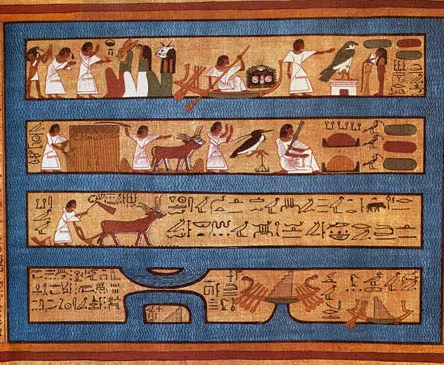
Ancient Egypt is known for its remarkable monuments and deep religious beliefs, especially concerning the afterlife. One of the most impressive achievements of this civilization is the construction of the Great Pyramids at Giza, built during the Old Kingdom around 2600–2500 BCE. These pyramids are not just architectural wonders but also provide insight into how Egyptians viewed life after death and the importance of the pharaoh in society.
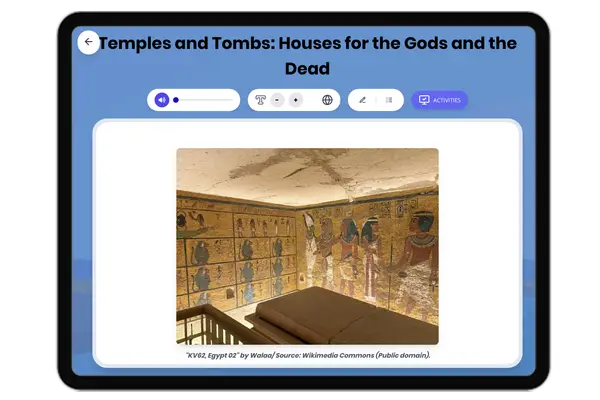
The Egyptians believed that death was not an end but a transformation into a new existence. Their religion taught that the soul, or "ka," would continue to exist after the body died. In order for the ka to survive, the body had to be preserved through mummification. Archaeological evidence, such as the discovery of mummies and funerary objects in tombs, shows how seriously Egyptians took these beliefs. The Book of the Dead is a famous collection of spells and prayers found in many tombs, intended to guide the deceased safely through the dangerous journey to the afterlife.
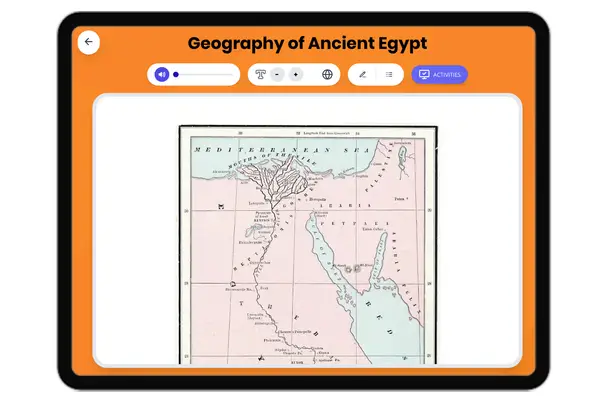
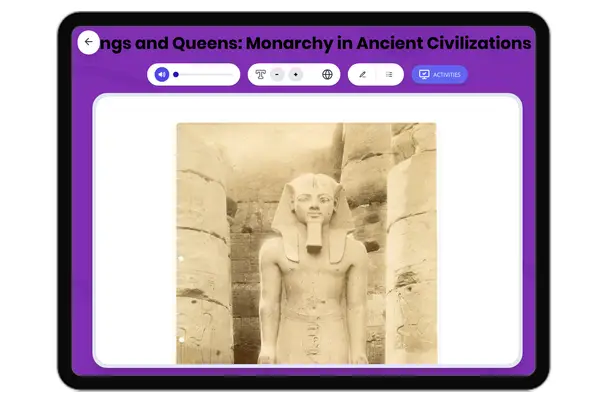
Pharaohs, considered both kings and gods, had the largest and most elaborate tombs. The Great Pyramid of Khufu, built around 2560 BCE, is the largest of the pyramids at Giza. Historical records from the Greek historian Herodotus and archaeological studies reveal that thousands of workers, not slaves, constructed these pyramids using advanced engineering and organization. The pyramids were filled with treasures, food, and goods so the pharaoh could maintain his power and comfort in the next world. The placement of the pyramids on the west bank of the Nile, where the sun sets, symbolized the journey from life to death and rebirth, connecting religious beliefs with the local geography.
The construction and decoration of these tombs reflected the strict social hierarchy of ancient Egypt. Only the pharaoh and a few elite officials could afford pyramids, while most people were buried in simpler graves. Workers, artisans, and priests played essential roles in preparing tombs and performing rituals. Over time, pyramid building declined as new burial styles and beliefs developed, but the core idea of preparing for the afterlife remained central to Egyptian society.
The legacy of the pyramids continues to inspire people today, showing how ancient Egyptians combined religion, government, and technology. Studying these monuments helps historians understand the values, achievements, and daily life of one of the world’s oldest civilizations.
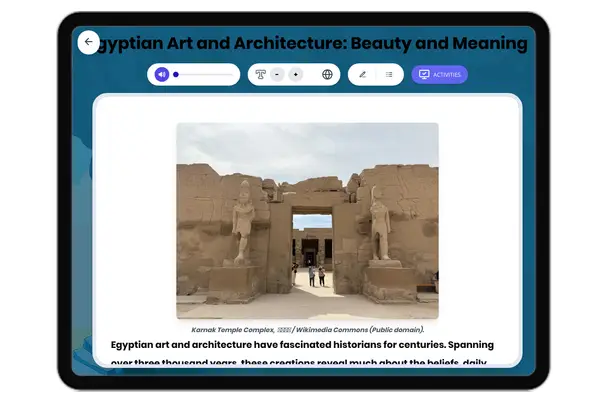
Learning about Egyptian beliefs and the pyramids connects to broader themes of ancient history, such as how societies express their religious ideas through art and architecture.
Interesting Fact: The ancient Egyptians believed that the heart, not the brain, was the center of intelligence and emotion. During mummification, they preserved the heart but often removed the brain!