The Transcontinental Railroad: Linking East and West
Interactive passage with audio narration, comprehension questions, and printable PDF.
By completing this purchase you agree to our Terms of Use and Privacy Policy. Your subscription renews automatically until you cancel. You can cancel anytime from your account settings. All sales are final and non-refundable. Digital content is available for download in your account immediately upon purchase.
What's included
Part of this bundle

The Transcontinental Railroad: Linking East and West preview and details
About this printable The Transcontinental Railroad: Linking East and West reading passage (Grades 3-5)
Sample passage and quiz from The Transcontinental Railroad: Linking East and West
Reading passage and comprehension quiz preview
The Progressive Era: Changing America for the Better
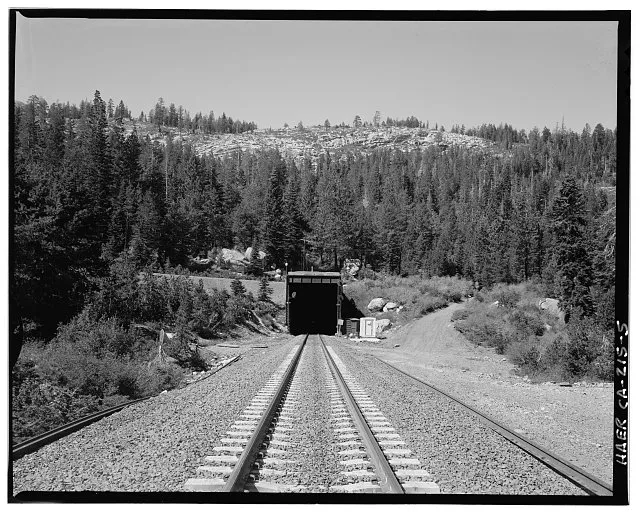
Source: Library of Congress - Anderson, Ed
The Progressive Era was a time from the late 1800s to the early 1900s when many Americans worked to fix problems in their country. Cities were growing fast, and factories were popping up everywhere. But there were problems too. Many people worked long hours in unsafe places. Children as young as eight worked in factories and mines. Some families did not have enough food. Laws were unfair, and big companies controlled much of the country.
People began to ask for reform. Reform means making changes to improve life for everyone. Leaders called reformers wanted to make the country fairer and safer. One famous reformer was President Theodore Roosevelt. He fought against big companies that treated workers badly. He passed laws to protect people and the environment. Roosevelt helped create national parks so nature would be saved for everyone.
Another important person was Jane Addams. She opened a place called Hull House in Chicago. Hull House helped immigrants and poor families by giving them food, jobs, and education. Jane Addams and other reformers believed that helping people would make the country stronger.
Some writers, called muckrakers, wrote stories about unfair and dangerous things. Upton Sinclair wrote a book about dirty meat factories. After people read his book, the government made new rules to make food safer.
During the Progressive Era, many women fought for the right to vote. This was called suffrage. Leaders like Susan B. Anthony and Elizabeth Cady Stanton worked for years to win this right. In 1920, the 19th Amendment gave women the vote. This was a huge step for fairness.
There were also new laws to stop child labor and to help workers be safe. Schools were built so more children could learn instead of working all day. New rules made it safer to buy food and medicine. All these changes happened because people worked together for a better future.
The Progressive Era shows that when people see problems and work for change, they can make a big difference.
Interesting Fact: The teddy bear was named after President Theodore Roosevelt because he once saved a bear cub during a hunting trip!
Comprehension quiz (8 questions)
1. What was the Progressive Era?
2. Who was a famous reformer president?
3. What did Jane Addams create?
4. Why were muckrakers important?
5. What did the 19th Amendment do?
6. How did the Progressive Era help children?
7. The Progressive Era made life worse. True or false?
8. What does reform mean?
Common Core standards for The Transcontinental Railroad: Linking East and West
Explain events, procedures, ideas, or concepts in a historical, scientific, or technical text, including what happened and why, based on specific information in the text.
Determine the meaning of general academic and domain-specific words or phrases in a text relevant to a grade 4 topic or subject area.
Write informative/explanatory texts to examine a topic and convey ideas and information clearly.
Perfect for the way you teach
- Build comprehension skills
- Auto-graded quiz
- Differentiated reading
- Read together at home
- Improve fluency
- Quiet reading time
- Reading curriculum support
- Independent practice
- Track Lexile growth