Traditional Native American Clothing
Interactive passage with audio narration, comprehension questions, and printable PDF.
By completing this purchase you agree to our Terms of Use and Privacy Policy. Your subscription renews automatically until you cancel. You can cancel anytime from your account settings. All sales are final and non-refundable. Digital content is available for download in your account immediately upon purchase.
What's included
Part of this bundle

Traditional Native American Clothing preview and details
About this printable Traditional Native American Clothing reading passage (Grades 3-5)
Sample passage and quiz from Traditional Native American Clothing
Reading passage and comprehension quiz preview
Traditional Native American Clothing
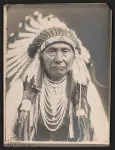
Source: Library of Congress - Curtis, Edward S
Traditional Native American clothing is an important part of U.S. history. Native Americans made their clothes from materials found in nature. Most clothing was made from animal skins, such as deer, elk, or buffalo. This soft leather is called buckskin. Buckskin was strong, warm, and easy to shape. In warmer places, some tribes used plant fibers to make clothing, weaving grass or bark into shirts, skirts, or shoes.
Native American clothing was not just for covering the body. It had meaning and told stories. Many clothes were decorated with colorful beadwork, porcupine quills, and painted symbols. Each tribe had its own special designs. For example, the Plains tribes made shirts with long fringes and decorated them with beads and quills. The Navajo and Pueblo people wove bright blankets and dresses from cotton. The Iroquois made clothes from soft deerskin and used shells for decoration.
Beadwork was an important art. At first, Native Americans used beads made from stone, bone, or shells. After Europeans arrived, glass beads became popular. Women and girls often worked together to sew beads into patterns. These patterns showed which tribe a person belonged to or told about their family and achievements. For example, special beadwork might show someone was a good hunter or a brave leader.
Symbols and colors used in clothing also had meaning. A handprint could mean bravery. A zigzag line might stand for water or life. Bright colors were used for special events or ceremonies. Everyday clothes were usually simpler, but still made with care.
Clothing was also a way to solve problems. In cold areas, people made warm cloaks and pants. In hot areas, they made light, cool clothes. Moccasins were soft shoes made from leather to protect feet. Some tribes wore tall feather headdresses for important ceremonies, but everyday hats were much simpler.
Today, many Native Americans still make and wear traditional clothes for powwows, dances, and celebrations. These clothes help keep their culture and history alive. Learning about Native American clothing helps us understand their creativity and the stories they told through their art.
Interesting Fact: Some Native American beadwork patterns have been passed down for hundreds of years and are still used today by artists and families.
Comprehension quiz (8 questions)
1. What is buckskin made from?
2. What did beadwork show about a person?
3. Which people wove bright blankets and dresses?
4. Why did Native Americans use symbols on clothes?
5. What was the main reason for moccasins?
6. How did clothing help solve problems?
7. Native Americans still wear traditional clothes today.
8. What does 'headdresses' mean?
Common Core standards for Traditional Native American Clothing
Explain events, procedures, ideas, or concepts in a historical, scientific, or technical text, including what happened and why, based on specific information in the text.
Determine the meaning of general academic and domain-specific words or phrases in a text relevant to a grade 4 topic or subject area.
Perfect for the way you teach
- Build comprehension skills
- Auto-graded quiz
- Differentiated reading
- Read together at home
- Improve fluency
- Quiet reading time
- Reading curriculum support
- Independent practice
- Track Lexile growth