Reading PassagePremium

Water Erosion

Interactive passage with audio narration, comprehension questions, and printable PDF.

No ratings yet
Grades 3–6ScienceElaEnglish · SpanishInteractive · Printable
Just this resource
$1.50
One-time purchase
Best value
Unlock everything
$49.99$29.99/yr
40% off until Aug 1 — 10,000+ resources
Renews at $49.99/year.
Unlock above to use these actions

What's included

Reading passage
Audio narration
Comprehension quiz
Writing activity
Glossary & flashcards
Differentiated version
Spanish translation

Water Erosion preview and details

About this printable Water Erosion science reading passage, NGSS-aligned (Grades 3-6)

This Grade 4-5 science passage, aligned with NGSS standards, explains how water erodes and moves soil. Students will learn about key processes such as erosion, weathering, and deposition. The passage defines important vocabulary, provides real-world examples like riverbanks and farmland, and includes a fun science fact. The resource features a glossary, reading comprehension quiz, and writing activities that encourage students to explain, connect, and analyze scientific concepts. Audio integration is available for accessibility. This engaging activity helps students understand the impact of water on Earth's surface and connects science to everyday life, making it perfect for classroom or remote learning. Keywords include erosion, soil, water, deposition, river, and NGSS. Includes an AI-generated illustration prompt.
Written by Workybooks TeamPublished by Workybooks
Preview

Sample passage and quiz from Water Erosion

Reading passage and comprehension quiz preview

How Water Erodes Land
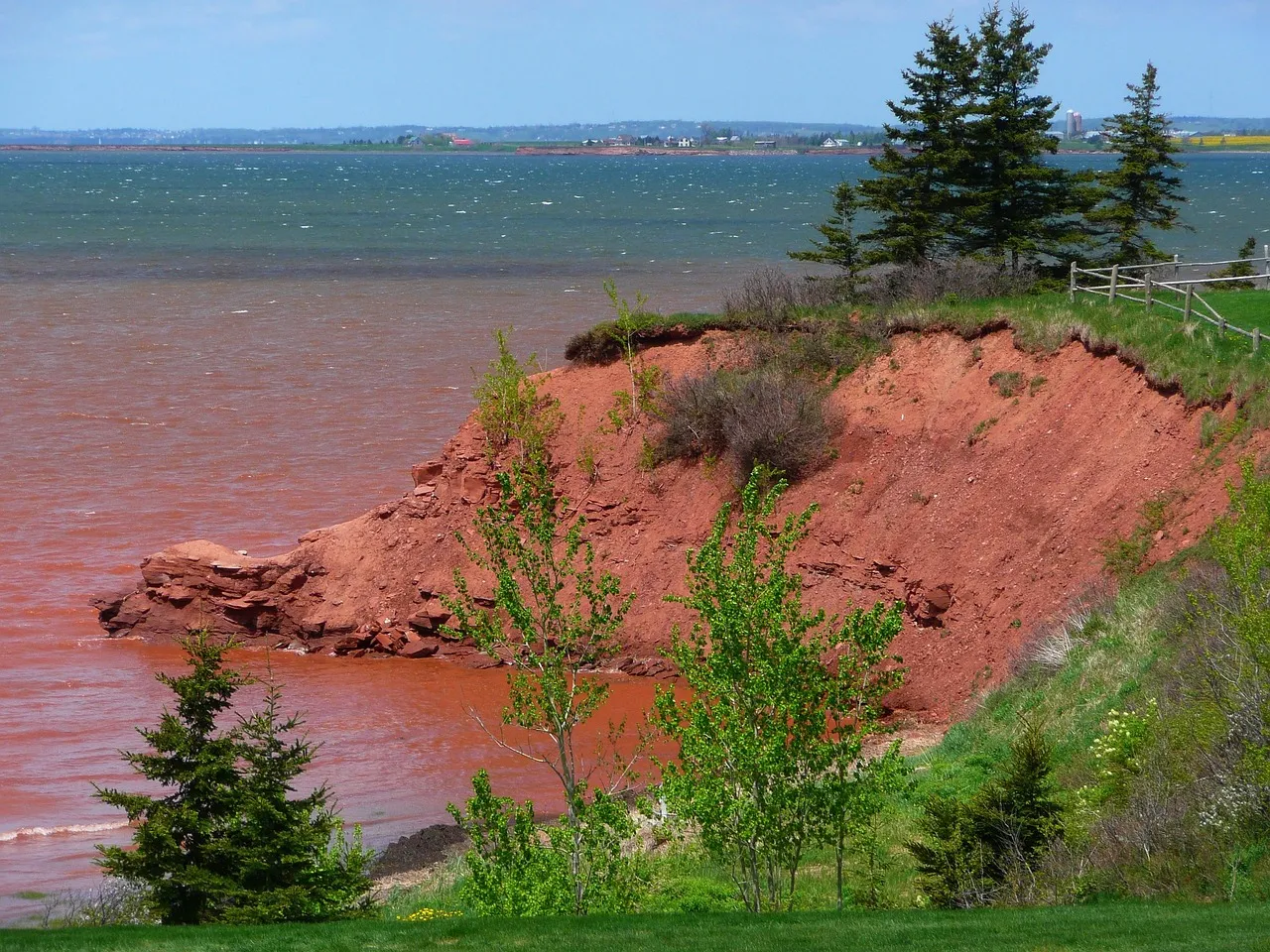
coastline, water, shore, erosion, eroded, soil, shoreline, sea, ocean, nature, prince edward island, canada, seascape
Erosion is a process where natural forces, like water, wear away rocks and soil from the land.
 Image by ArtTower /Source: Pixabay.

Erosion is the process of moving weathered rock and soil from one place to another. Moving water is the most powerful force of erosion on Earth. It shapes our land every single day by carrying away soil, sand, and rocks.

When rain falls on hills and slopes, it doesn't just soak into the ground. The water flows downhill, and as it moves, it picks up and carries soil particles with it. This process is called runoff. You can see evidence of runoff after a rainstorm when you notice muddy puddles, small channels carved in dirt, or soil washed onto sidewalks and streets.

Streams and rivers are even more powerful than rainwater. As water flows in a channel, it carries sand, mud, and pebbles downstream. The faster the water moves, the more material it can carry and the bigger the pieces it can move. A slow, gentle stream might only carry tiny particles of clay. But a fast-moving river can push rocks as big as basketballs!

Over many years, rivers carve deeper and wider into the land. The Grand Canyon was created by the Colorado River cutting through rock for millions of years. Even more dramatic, flash floods can move enormous amounts of soil and rock in just minutes, completely changing the shape of the land.

Interesting Fact: The Mississippi River carries about 500 million tons of sediment to the ocean every year—that's enough soil and sand to fill a line of dump trucks stretching from New York to Los Angeles!

Comprehension quiz (8 questions)

1. What is erosion?

Moving soil and rocks to new places
Rain falling from clouds
Building mountains higher
Making rivers flow faster

2. What is the most powerful erosion force?

Wind blowing across deserts
Moving water
Animals digging holes
Plants growing in soil

3. What evidence shows runoff after rain?

Dry sidewalks and clean streets
Muddy puddles and soil on sidewalks
Clear blue skies
Frozen water on the ground

4. Why can fast water move bigger rocks?

Fast water is colder than slow water
Fast water has more power and force
Fast water makes rocks smaller
Fast water only moves downhill

5. What created the Grand Canyon?

An earthquake splitting the ground
People digging with machines
The Colorado River eroding rock
A volcano exploding

6. How fast can flash floods change land?

In millions of years
In hundreds of years
In just minutes
They cannot change land

7. Moving water shapes Earth's land every day.

True
False

8. What does runoff mean?

Water soaking deep into ground
Water flowing downhill carrying soil
Water frozen in ice
Water stored in clouds
Who it's for

Perfect for the way you teach

Teachers
  • Build comprehension skills
  • Auto-graded quiz
  • Differentiated reading
Parents
  • Read together at home
  • Improve fluency
  • Quiet reading time
Homeschoolers
  • Reading curriculum support
  • Independent practice
  • Track Lexile growth
Topics

Reviews & Ratings

No reviews yet. Be the first to share your experience!

More reading you might love

19 more
Passage
Weathering and Soil Formation - reading educational content

Weathering and Soil Formation

Reading Passage

$1.50
Passage
How Do Destructive Forces Wear Down Land - reading educational content

How Do Destructive Forces Wear Down Land

Reading Passage · MS-ESS2-1

$1.50
Passage
Weathering - reading educational content

Weathering

Reading Passage · MS-ESS2-1

$1.50
Passage
Plants Help Stop Soil Erosion - reading educational content

Plants Help Stop Soil Erosion

Reading Passage

Free
Passage
How People Prevent Erosion - reading educational content

How People Prevent Erosion

Reading Passage

$1.50
Passage
Wind Erosion - reading educational content

Wind Erosion

Reading Passage

Free
Interactive
Weathering Types Word Sort - game educational content

Weathering Types Word Sort

Game · 4-ESS2-1

$1.50
Passage
How are Canyons Formed - reading educational content

How are Canyons Formed

Reading Passage

$1.50
Passage
Mountain Erosion - reading educational content

Mountain Erosion

Reading Passage

$1.50
Passage
How Water Breaks Down Rocks - reading educational content

How Water Breaks Down Rocks

Reading Passage

$1.50
Passage
How Does Wind Form Sand Dunes - reading educational content

How Does Wind Form Sand Dunes

Reading Passage · MS-ESS2-2

$1.50
Passage
How Do Beaches Get Sand - reading educational content

How Do Beaches Get Sand

Reading Passage · MS-ESS2-2

$1.50
Passage
Erosion - reading educational content

Erosion

Reading Passage · MS-ESS2-1

$1.50
Passage
Plant Roots Break Rocks Apart - reading educational content

Plant Roots Break Rocks Apart

Reading Passage

Free
Passage
Earth Changes Over Millions of Years - reading educational content

Earth Changes Over Millions of Years

Reading Passage

$1.50
Passage
Tools and Technology in Earth Science - reading educational content

Tools and Technology in Earth Science

Reading Passage · MS-ESS2-2

$1.50
Passage
How Coastlines Change Over Time - reading educational content

How Coastlines Change Over Time

Reading Passage · MS-ESS2-2

$1.50
Interactive
Earth Changes Word Sort - game educational content

Earth Changes Word Sort

Game

$1.50
Passage
How GPS Technology Map Earth's Surface - reading educational content

How GPS Technology Map Earth's Surface

Reading Passage · MS-ESS2-1

$1.50
Copyright © 2026 Workybooks. Made with ♥ in California.