Mountain Erosion
Interactive passage with audio narration, comprehension questions, and printable PDF.
By completing this purchase you agree to our Terms of Use and Privacy Policy. Your subscription renews automatically until you cancel. You can cancel anytime from your account settings. All sales are final and non-refundable. Digital content is available for download in your account immediately upon purchase.
What's included
Mountain Erosion preview and details
About this printable Mountain Erosion science reading passage, NGSS-aligned (Grades 3-6)
Sample passage and quiz from Mountain Erosion
Reading passage and comprehension quiz preview
Mountain Erosion
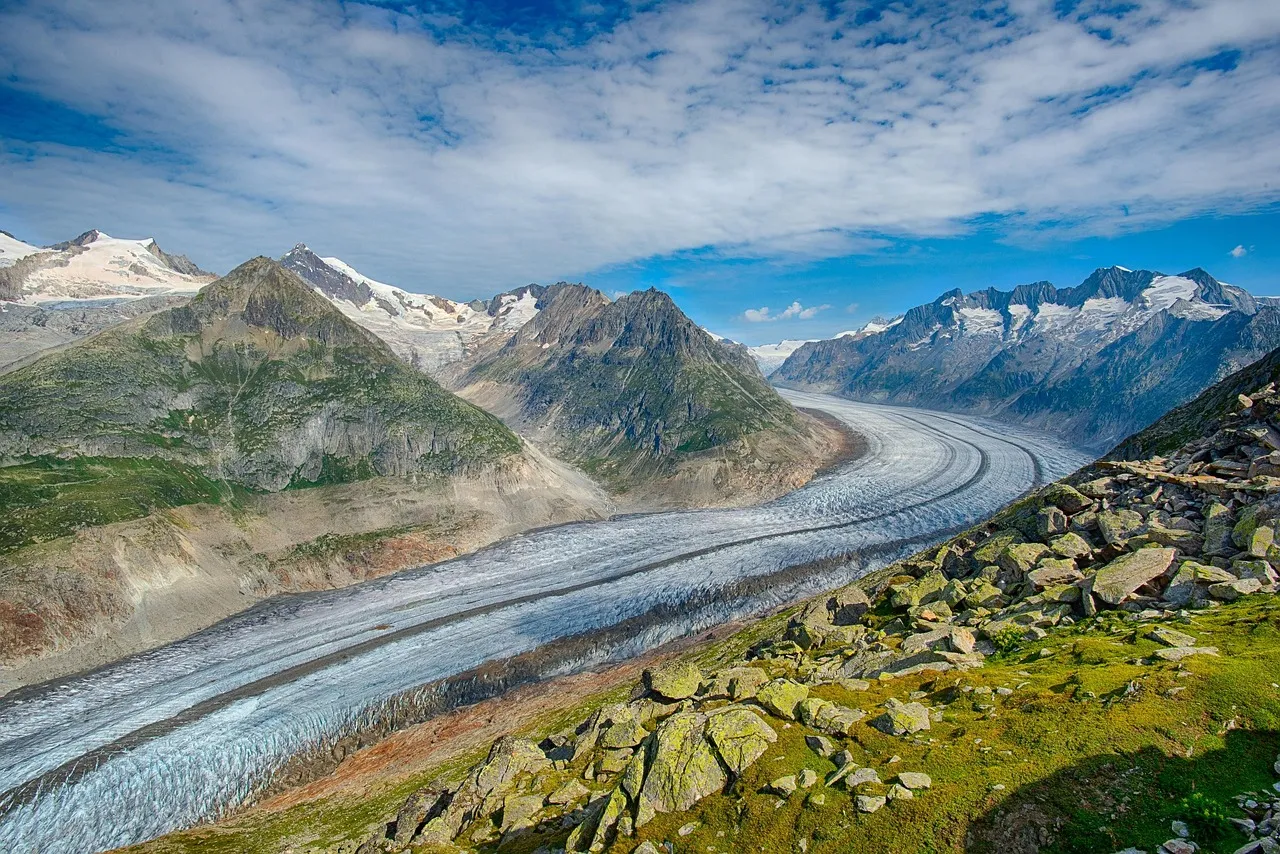
Source:Pixabay.
Mountains are tall landforms made from rocks. Over millions of years, mountains slowly wear down and change shape. This happens because of natural forces acting on the rocks. Two main processes that break down mountains are weathering and erosion.
Weathering means breaking rocks into smaller pieces. There are two types. Mechanical weathering happens when wind, water, or ice physically break rocks apart. For example, water can get into cracks in rocks and freeze. When the water freezes, it expands and makes the crack bigger. Over time, the rock breaks apart. Chemical weathering happens when rainwater mixes with chemicals in the air or soil and changes the rock. Acid rain is one example. It can slowly dissolve rocks.
After rocks are broken down, erosion moves the small pieces away. Erosion is caused by wind, water, ice, or gravity. For example, rivers can carry sand and rocks down from the mountains and deposit them in valleys. Glaciers, which are huge slow-moving sheets of ice, can scrape and move rocks over long distances.
These processes work very slowly, but over millions of years, they can change a tall, jagged mountain into a lower, rounded hill. For example, the Rocky Mountains are much younger and sharper than the Appalachian Mountains, which are older and more worn down by weathering and erosion.
The breaking down and moving of rocks is part of the rock cycle. This cycle helps shape Earth's surface and creates soil that plants need to grow. Without weathering and erosion, Earth would look very different.
Interesting Fact: The Himalayas are still rising because the Earth's plates are pushing together, but at the same time, weathering and erosion are wearing them down!
Comprehension quiz (8 questions)
1. What breaks rocks into smaller pieces?
2. What moves rock pieces away?
3. Which is an example of mechanical weathering?
4. How do rivers help change mountains?
5. Why are the Appalachian Mountains rounded?
6. What would happen without weathering?
7. Mountains never change shape. True or false?
8. What is a glacier?
Perfect for the way you teach
- Build comprehension skills
- Auto-graded quiz
- Differentiated reading
- Read together at home
- Improve fluency
- Quiet reading time
- Reading curriculum support
- Independent practice
- Track Lexile growth