What Are Silicate Minerals
Interactive passage with audio narration, comprehension questions, and printable PDF.
By completing this purchase you agree to our Terms of Use and Privacy Policy. Your subscription renews automatically until you cancel. You can cancel anytime from your account settings. All sales are final and non-refundable. Digital content is available for download in your account immediately upon purchase.
What's included
What Are Silicate Minerals preview and details
About this printable What Are Silicate Minerals science reading passage, NGSS-aligned (Grades 5-8)
Sample passage and quiz from What Are Silicate Minerals
Reading passage and comprehension quiz preview
What Are Silicate Minerals
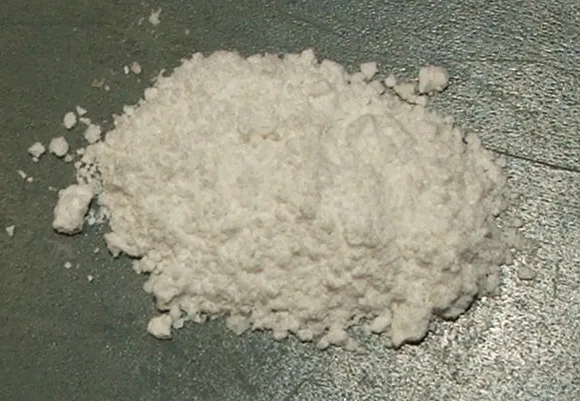
Silicate minerals are the most abundant minerals on Earth. They make up about 90% of the planet's crust and most of the mantle beneath it. / Wikimedia Commons
Silicate minerals are the most abundant minerals on Earth. They make up about 90% of the planet's crust and most of the mantle beneath it. These minerals form from the two most common elements in Earth's crust: silicon and oxygen. Scientists explain that silicon and oxygen atoms bond together in a specific pattern. This creates a tiny pyramid-shaped structure called a tetrahedron.
The tetrahedron is the basic building block of all silicate minerals. Each tetrahedron has one silicon atom at its center. Four oxygen atoms surround the silicon atom at the corners of the pyramid. Evidence shows that these tetrahedra can link together in different ways. Some connect in chains, while others form sheets or three-dimensional frameworks. The way tetrahedra connect determines what type of silicate mineral forms. Different arrangements create minerals with different properties.
Common silicate minerals include quartz, feldspar, mica, and olivine. Quartz forms when tetrahedra link together in a strong three-dimensional network. This makes quartz very hard and resistant to weathering. Feldspar is actually the most abundant mineral group in Earth's crust. It makes up more than half of the crust's volume. Mica forms in thin sheets that can easily split apart. Olivine appears green and is common in Earth's mantle and volcanic rocks. When you pick up most rocks, you are holding a combination of these silicate minerals.
Understanding silicate minerals helps scientists explain how Earth's rocky layers formed and changed over time. These minerals play a key role in the rock cycle. They form when molten rock cools and crystallizes. Weathering can break them down into smaller particles. Heat and pressure can transform them into new minerals. Since silicates make up most of Earth's solid surface, they influence everything from soil formation to mountain building. Learning about silicates provides a foundation for understanding our planet's structure and processes.
Interesting Fact: The same silicon-oxygen tetrahedron that builds Earth's minerals is also used in computer technology. Silicon chips in computers and smartphones are made from purified quartz sand.
Comprehension quiz (10 questions)
1. What percentage of Earth's crust is made up of silicate minerals?
2. What two elements combine to form silicate minerals?
3. What is a tetrahedron?
4. Which mineral is described as the most abundant mineral group in Earth's crust?
5. Based on the passage, why do different silicate minerals have different properties?
6. How does the arrangement of tetrahedra in quartz make it different from mica?
7. If you were studying rocks from Earth's mantle, which silicate mineral would you most likely find?
8. Why is understanding silicate minerals important for studying Earth's processes?
9. True or False: Each silicon-oxygen tetrahedron has one silicon atom at the center and four oxygen atoms at the corners.
10. True or False: Most rocks you pick up contain very few silicate minerals.
Perfect for the way you teach
- Build comprehension skills
- Auto-graded quiz
- Differentiated reading
- Read together at home
- Improve fluency
- Quiet reading time
- Reading curriculum support
- Independent practice
- Track Lexile growth