Premium
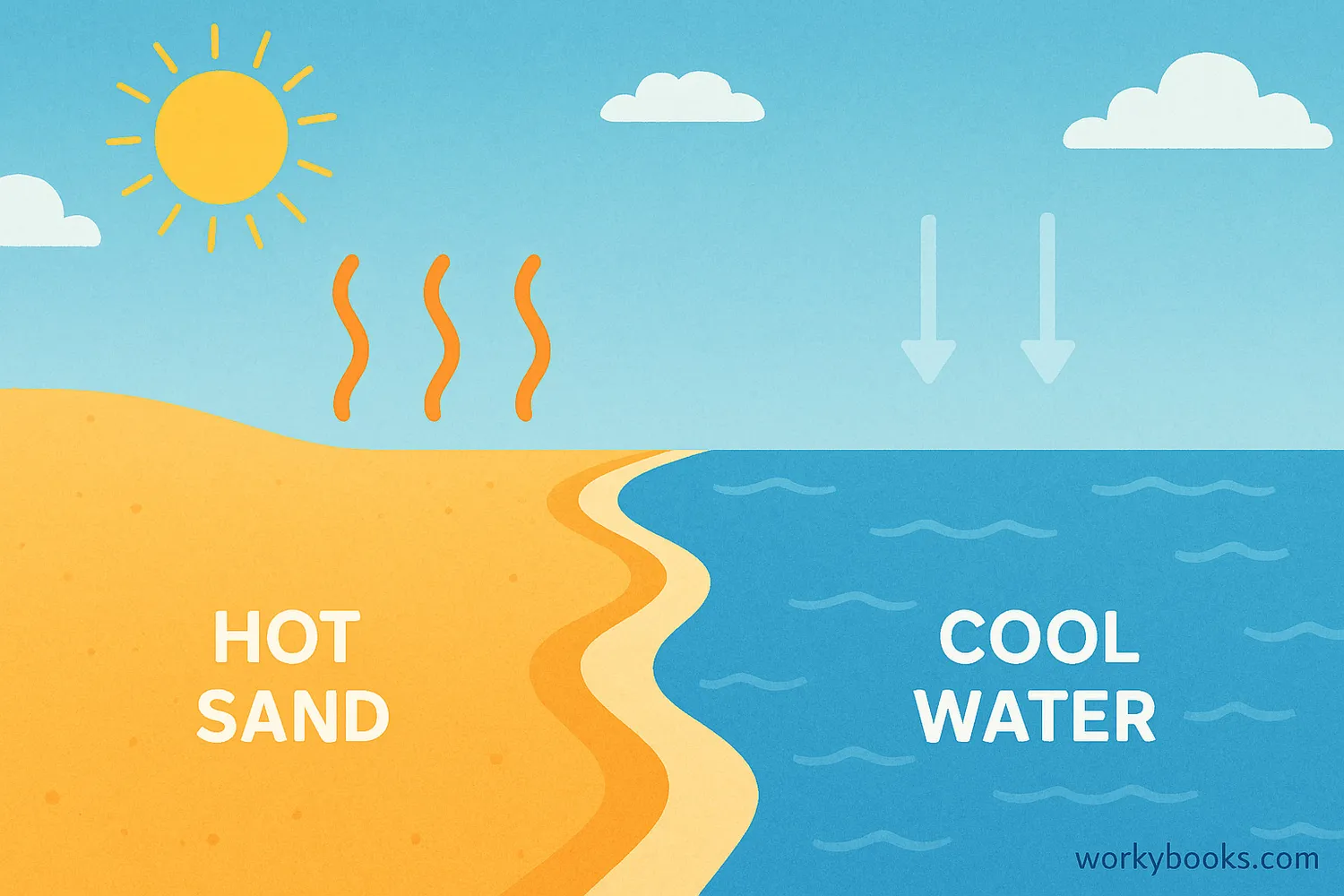
What Is The Difference Between The Temperatures Of The Land And The Sea?
Interactive passage with audio narration, comprehension questions, and printable PDF.
Just this resource
$1.50
One-time purchase
Best value
Unlock everything
$49.99$29.99/yr
40% off until Aug 1 — 6,000+ resources
Unlock above to use these actions
- Format
- Interactive (Online), Printable (PDF)
- Grades
- 6
- Subjects
- science
- Languages
- English, Spanish
What's included
Reading passage
Reading comprehension
Audio narration
With word word highlighting
Comprehension quiz
Auto-graded
Writing activity
Open-ended response
Glossary & flashcards
Vocabulary practice
Differentiated version
Adapted for varied levels
Spanish translation
Bilingual support
About this reader
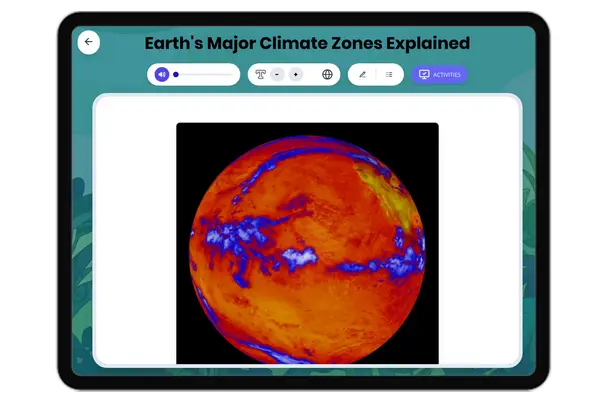
This engaging passage, complete with audio integration, explores a fundamental concept in Earth science: the difference in how land and sea absorb and release heat. Designed for a 6th-grade reading level, it explains why coastal areas experience different weather than inland regions. Students will learn about key concepts like specific heat and thermal energy, understanding how these factors contribute to global atmospheric and oceanic circulation patterns. This aligns directly with NGSS standard MS-ESS2-6, which focuses on developing models to describe how unequal heating of the Earth influences regional climates. The passage uses simple language and defines important terms to ensure accessibility and comprehension.
Written by Workybooks TeamPublished by Workybooks
Preview
Sample passage and quiz content
Who it's for
Perfect for the way you teach
Teachers
- Build comprehension skills
- Auto-graded quiz
- Differentiated reading
Parents
- Read together at home
- Improve fluency
- Quiet reading time
Homeschoolers
- Reading curriculum support
- Independent practice
- Track Lexile growth
Topics
land temperaturesea temperatureheat absorptionspecific heatthermal energyclimateweather patternsNGSS MS-ESS2-6