Where Do Red Pandas Live?
Interactive passage with audio narration, comprehension questions, and printable PDF.
By completing this purchase you agree to our Terms of Use and Privacy Policy. Your subscription renews automatically until you cancel. You can cancel anytime from your account settings. All sales are final and non-refundable. Digital content is available for download in your account immediately upon purchase.
What's included
Where Do Red Pandas Live? preview and details
About this printable Where Do Red Pandas Live? science reading passage, NGSS-aligned (Grades 3-8)
Sample passage and quiz from Where Do Red Pandas Live?
Reading passage and comprehension quiz preview
Where Do Red Pandas Live?
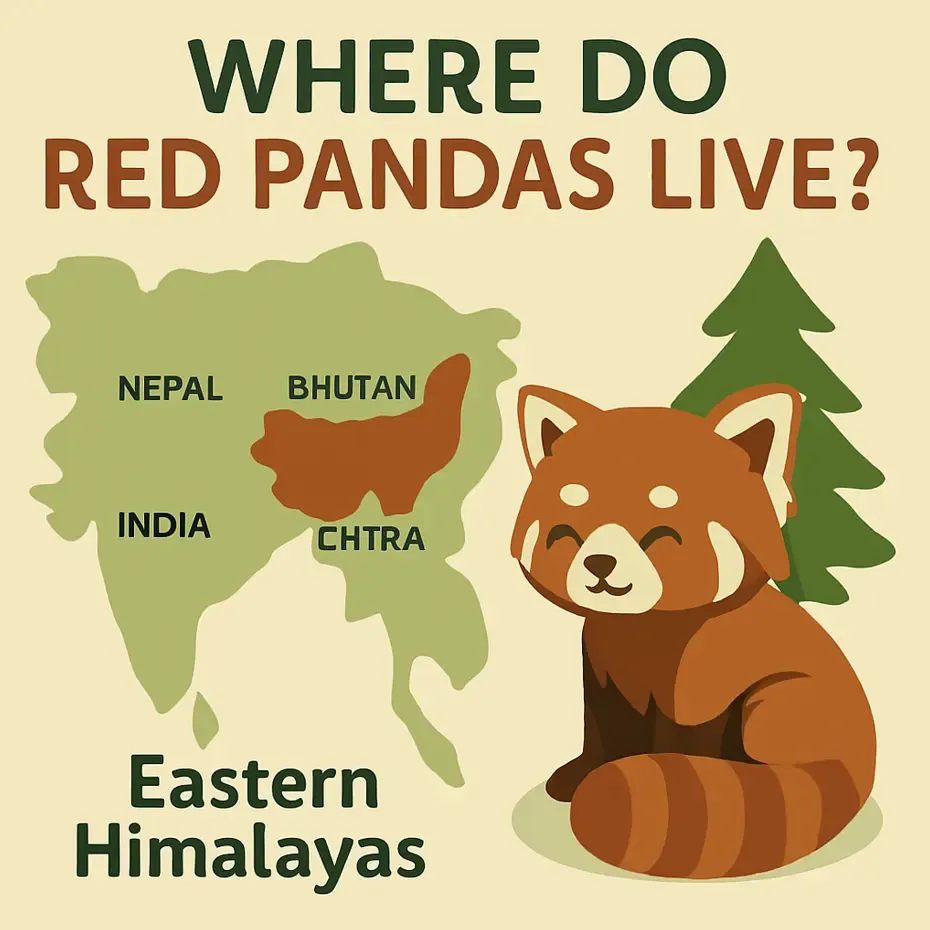
If you want to find a Red Panda, you'd have to journey to some special places high up in the mountains! These unique animals live in the misty, temperate bamboo forests of the Eastern Himalayas, across several countries in Asia. Their main habitat stretches from Nepal through India, Bhutan, and into northern Myanmar and southern China.
Red Pandas prefer living in high-altitude forests, usually between 7,200 to 12,000 feet above sea level. Imagine climbing that high! These forests are cool and damp, with lots of tall trees and thick bamboo, which is a very important part of their diet. The dense vegetation provides plenty of cover for these shy and elusive creatures.
Because they are arboreal, the trees are crucial to their survival. They rely on the trees for shelter, safety from predators, and for finding food. Their reddish-brown fur helps them blend in perfectly with the moss and reddish-brown tree branches of their forest homes, making them masters of camouflage.
Sadly, the beautiful habitat where Red Pandas live is shrinking. Forests are being cut down for farming and building, and climate change is also affecting their homes. This is why conservation efforts are so vital. Protecting these specific temperate forests is key to ensuring that these endangered and rare animals continue to thrive and contribute to the rich biodiversity of the Himalayas.
Fun Fact: Red Pandas have fuzzy bottoms on their feet, which not only provide warmth but also help them grip slippery, mossy branches!
Comprehension quiz (8 questions)
1. Where do Red Pandas mainly live?
2. What kind of forests do Red Pandas prefer?
3. What altitude do Red Pandas usually live at?
4. What is a very important part of the Red Panda's diet found in its habitat?
5. How does their reddish-brown fur help them in their habitat?
6. Why are trees important for Red Pandas?
7. What is the main idea of this passage?
8. When an animal's forest home is shrinking, what is this a threat to?
Perfect for the way you teach
- Build comprehension skills
- Auto-graded quiz
- Differentiated reading
- Read together at home
- Improve fluency
- Quiet reading time
- Reading curriculum support
- Independent practice
- Track Lexile growth