African American Soldiers in Civil War — Reading Comprehension
Rate this
Premium Resource
Present
Present in classroom. No work saved
Assign
Classroom with student accounts, Track progress
Quick Play
No student accounts, assign with a link
Grades
6
7
8
Standards
D2.HIS.2.3-5
D2.HIS.3.3-5
RI.4.3
RI.4.4
W.4.2
PRINT+DIGITAL RESOURCE
This learning resource is available in interactive and printable formats. The interactive worksheet can be played online and assigned to students. The Printable PDF version can be downloaded and printed for completion by hand.
This engaging history reading passage examines the pivotal role African American soldiers played in the American Civil War following the Emancipation Proclamation. Students will learn how nearly 180,000 African American men joined the Union Army, faced significant discrimination, and demonstrated remarkable courage and service. The text addresses the complexities of military life for these troops, including unequal pay, prejudice, and the struggle for recognition. Designed for upper elementary and middle school students, this resource supports historical inquiry and critical thinking by modeling the use of evidence and historical reasoning. The passage is accompanied by glossary terms, multiple-choice questions, a writing activity, differentiated versions for accessibility, and a Spanish translation. Aligned to HSS 8.10.6 and CCSS.RI.6-8.1, RI.6-8.2, this history reading resource also includes a read aloud audio option and graphic organizers to deepen students’ comprehension.
CONTENT PREVIEW
Expand content preview
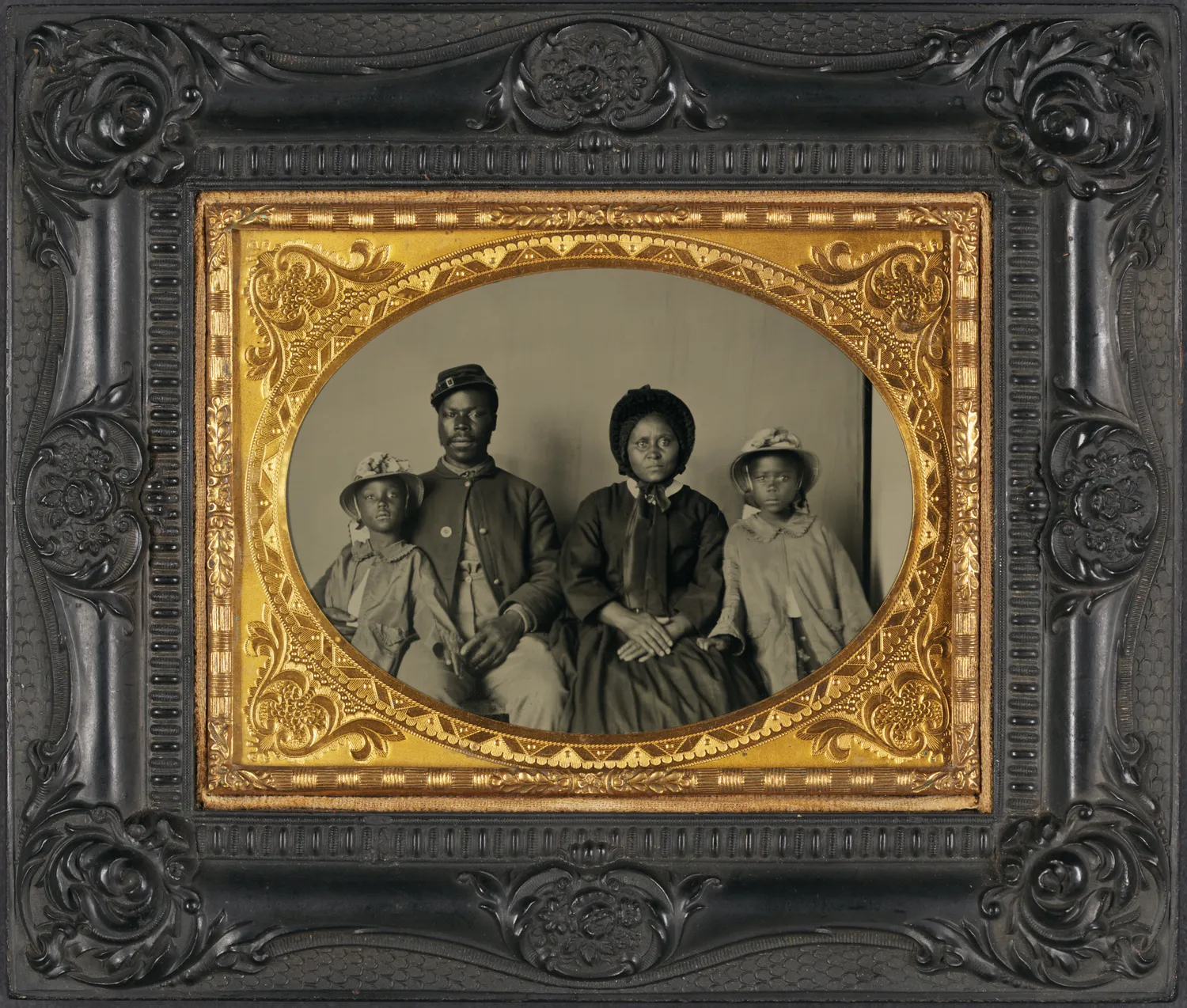
Sgt. Samuel Smith, African American soldier in Union uniform with wife and two daughters Wikimedia Commons
The participation of African American soldiers in the Civil War marked a turning point in American history. Following the Emancipation Proclamation in 1863, nearly 180,000 African Americans enlisted to serve in the Union Army. These men joined segregated regiments and played a crucial role in the Union’s victory, despite facing serious challenges and discrimination.
At the beginning of the war, African Americans were not allowed to fight in the Union Army. President Abraham Lincoln’s Emancipation Proclamation changed this policy, opening the door for African American enlistment. However, even as soldiers, African Americans faced significant barriers. They were often given lower pay than white soldiers, received inferior equipment, and were sometimes assigned the most dangerous tasks, such as digging trenches or leading assaults.
Despite these obstacles, African American soldiers demonstrated extraordinary courage and determination. The 54th Massachusetts Infantry Regiment, one of the first African American units, became famous for its bravery during the assault on Fort Wagner. Although they suffered heavy losses, the 54th’s actions proved the skill and loyalty of African American troops. Their performance challenged racist beliefs that African Americans could not be effective soldiers.
Discrimination remained a persistent problem. For much of the war, African American soldiers received $10 per month—$3 less than their white counterparts. Many refused pay until it was made equal later in the war. They also faced harsher treatment if captured by Confederate forces, sometimes being sold into slavery or executed rather than treated as prisoners of war. These injustices highlighted the broader struggle for civil rights faced by African Americans during this era.
Despite these hardships, military service provided some African Americans with new opportunities and a sense of agency. Through their contributions, they helped change public opinion in the North and influenced the passage of the Thirteenth Amendment, which abolished slavery in the United States. Their service laid the groundwork for future efforts toward equality and justice.
The story of African American soldiers in the Civil War is not only about the battles they fought, but also about their fight for recognition and citizenship. Their sacrifice and perseverance helped reshape the nation’s understanding of freedom and equality. By the end of the war, their achievements had forced the country to begin reconsidering its views on race and the rights of African Americans.
Interesting Fact: Harriet Tubman, famous for her work on the Underground Railroad, also served as a spy and scout for the Union Army, supporting African American soldiers in their missions.
What year was the Emancipation Proclamation?
1863186118651850
Which regiment led the attack on Fort Wagner?
54th Massachusetts20th Maine1st Texas7th New York
How much were African American soldiers paid per month?
$10$7$13$20
Why did some African American soldiers refuse pay?
Unequal payNo uniformsRefused to fightWanted shorter service
What impact did African American soldiers have?
Changed public opinionWon every battleEnded the Civil War aloneFormed Confederate Army
What did their service influence?
Thirteenth AmendmentDeclaration of IndependenceBill of RightsMissouri Compromise
African American soldiers always received equal pay.
TrueFalse
What does 'regiment' mean?
Military unitBattlefieldPay slipWeapon
Perfect For:
👩🏫 Teachers
• Reading comprehension practice
• Auto-graded assessments
• Literacy skill development
👨👩👧👦 Parents
• Reading practice at home
• Comprehension improvement
• Educational reading time
🏠 Homeschoolers
• Reading curriculum support
• Independent reading practice
• Progress monitoring
Reading Features:
📖
Reading Passage
Engaging fiction or nonfiction text
❓
Comprehension Quiz
Auto-graded questions
📊
Instant Feedback
Immediate results and scoring
📄
Printable Version
Download for offline reading
🔊
Read Aloud
Voice-over with word highlighting
Reviews & Ratings
No reviews yet. Be the first to share your experience!
Related Content
Native American Tribes Across America
This engaging history reading passage introduces students to Native American tribes across America, focusing on their da...
D2.HIS.1.3-5D2.HIS.2.3-5RI.4.1RI.4.2
Teepees: Homes on the Great Plains
This engaging history reading passage introduces students to teepees, the unique homes of Native American tribes on the ...
D2.HIS.2.3-5D2.HIS.14.3-5RI.4.1RI.4.2RI.4.4
Traditional Native American Clothing
This engaging history passage explores traditional Native American clothing and how it reflected the environment, values...
D2.HIS.2.3-5D2.HIS.3.3-5RI.4.3RI.4.4
The Iroquois Confederacy: A System of Peace
This engaging U.S. History reading passage introduces students to the Iroquois Confederacy, a powerful alliance of Nativ...
D2.HIS.2.3-5D2.HIS.3.3-5RI.4.3RI.4.4
The Cherokee Nation: History and Culture
This reading passage explores the rich history and culture of the Cherokee Nation, one of the largest Native American tr...
D2.HIS.2.3-5D2.HIS.14.3-5RI.4.3RI.4.4RI.4.10
The Sioux: Warriors and Tribal Leaders
This history reading passage explores the Sioux Nation, focusing on their roles as warriors and tribal leaders. Students...
D2.HIS.1.3-5D2.HIS.2.3-5RI.4.1RI.4.3
Native American Respect for Nature
This engaging history reading passage explores Native American respect for nature, emphasizing the close relationship be...
D2.HIS.2.3-5D2.HIS.3.3-5RI.4.3RI.4.4
Jamestown: The First Permanent English Colony
This engaging history passage explores the founding of Jamestown, the first permanent English colony in America. Aligned...
D2.HIS.1.3-5D2.HIS.2.3-5RI.4.3RI.4.4
Pocahontas and the Powhatan People
This engaging reading passage explores the life of Pocahontas and the Powhatan people and their important role in early ...
D2.HIS.1.3-5D2.HIS.2.3-5RI.4.1RI.4.3
Colonial Children: School and Chores
This reading passage explores the daily lives of colonial children, focusing on their experiences at school and their ma...
D2.HIS.2.3-5D2.HIS.3.3-5RI.4.1RI.4.2RI.4.4
Colonial Clothing and Homemade Goods
This engaging U.S. history passage explores the daily life of early American colonists with a focus on colonial clothing...
D2.HIS.2.3-5RI.4.3RI.4.4
Colonial Jobs: Blacksmiths, Bakers, and Craftsmen
This engaging history reading passage explores the vital roles of blacksmiths, bakers, and craftsmen in colonial America...
D2.HIS.2.3-5D2.HIS.3.3-5RI.4.3RI.4.4
Colonial Towns and Village Life
This engaging history reading passage explores the daily life, work, and unity found in colonial towns and villages. Ali...
D2.HIS.1.3-5D2.HIS.2.3-5RI.4.3RI.4.4
Colonial Trade with England and Africa
This history reading passage explores colonial trade between the American colonies, England, and Africa, focusing on the...
D2.HIS.2.3-5D2.HIS.14.3-5RI.4.3RI.4.4
Benjamin Franklin: Printer, Inventor, and Leader
This history reading passage explores the life and achievements of Benjamin Franklin, one of America's most important ea...
D2.HIS.2.3-5D2.HIS.3.3-5RI.4.1RI.4.3
George Washington Leads the Army
This engaging history reading passage explores how George Washington bravely led the Continental Army during the America...
D2.HIS.1.3-5D2.HIS.2.3-5RI.4.3RI.4.4
Women and Children During the Revolutionary War
This reading passage explores the important roles women and children played during the Revolutionary War. Students will ...
D2.HIS.2.3-5RI.4.3RI.5.3
African Americans Fight for Freedom
This educational passage explores the brave and inspiring story of how African Americans fought for freedom in the Unite...
D2.HIS.2.3-5D2.HIS.3.3-5RI.4.3RI.4.4
The Battle of Yorktown Ends War
This engaging U.S. history reading passage explores the Battle of Yorktown, a key event that ended the American Revoluti...
D2.HIS.1.3-5D2.HIS.2.3-5RI.4.1RI.4.3
Loyalists vs. Patriots: Divided Families
This engaging U.S. history reading passage explores the division between Loyalists and Patriots during the American Revo...