This learning resource is available in interactive and printable formats. The interactive worksheet can be played online and assigned to students. The Printable PDF version can be downloaded and printed for completion by hand.
This engaging history reading passage explores the end of World War I with a focus on the 1918 Armistice. Students will analyze the causes and effects of the armistice, key events leading to the ceasefire, and the impact on soldiers and civilians. The passage features disciplinary vocabulary, primary source references, and a timeline of events from 1914 to 1918. Activities include a multiple-choice quiz, writing prompts, graphic organizers, and a Spanish translation. This resource supports critical thinking, analysis, and comprehension aligned with CA HSS 10.5 and Common Core ELA standards. Read aloud audio and Spanish translation included for accessibility. Ideal for lessons on the Great War, the Treaty of Versailles, and the transformation of Europe after WWI.
CONTENT PREVIEW
Expand content preview
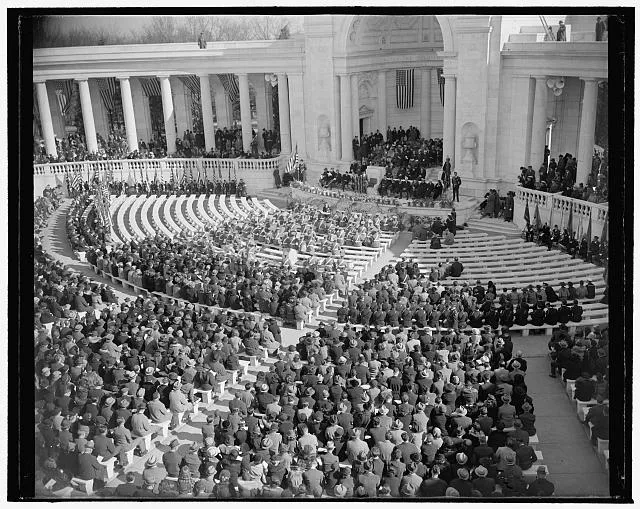
Armistice Day services at Arlington. Washington, D.C., Nov. 11. General view of the services at Arlington National Cemetery today to mark the 21st anniversary of the signing of the armistice. In delivering the principal speech, acting Secretary of the Navy Charles Edison urged the nation to keep faith with her world war dead by keeping out of Europe's war. Source: Library of Congress - Harris & Ewing
The Armistice of November 11, 1918, marked the end of fighting in World War I on the Western Front. This agreement was signed between the Allies, led by France, Britain, and the United States, and Germany. The armistice went into effect at 11 a.m., bringing relief to millions of soldiers and civilians after four years of intense and destructive warfare.
World War I, which began in 1914, involved many nations across Europe and beyond. By 1918, the conflict had caused enormous casualties and devastation. Trench warfare—characterized by long, muddy lines of defense—dominated the Western Front, stretching from the North Sea to Switzerland. Primary sources, such as letters from British and German soldiers, describe the harsh conditions: hunger, disease, and constant shelling. The war’s brutality led to a strong desire for peace among ordinary people and governments alike.
Several factors led to the armistice. In the spring of 1918, Germany launched a major offensive, but Allied forces, reinforced by fresh American troops, pushed them back. The Allies’ use of new technology, such as tanks and airplanes, contributed to their success. Additionally, the blockade of German ports by the British Navy caused severe food shortages and unrest in German cities. By October 1918, the German government realized it could not continue the fight. Faced with internal revolution and the collapse of its allies, Germany agreed to negotiate.
The armistice was signed in a railway car near Compiègne, France. Marshal Ferdinand Foch, the Allied Supreme Commander, represented the Allies. The terms of the agreement required Germany to withdraw its troops, surrender weapons, and release prisoners of war. These harsh conditions were meant to prevent Germany from resuming hostilities. For many soldiers, such as those described in the diary of American nurse Clara Barton, the moment the guns fell silent was unforgettable. However, while the armistice ended fighting, it was not a formal peace treaty. The official peace came later, with the Treaty of Versailles in June 1919.
The 1918 Armistice had far-reaching consequences. It brought immediate relief but also left unresolved tensions. Many Germans felt humiliated by the terms, which influenced political and social changes in the years that followed. Across Europe, millions mourned lost loved ones and struggled to rebuild. The armistice is remembered not just as an end to war, but as a turning point in world history that shaped the modern era.
The end of World War I and the 1918 Armistice connect to broader themes in world history, such as the quest for peace, the impact of war on societies, and the challenges of rebuilding after conflict.
Interesting Fact: On November 11 each year, many countries observe a moment of silence at 11 a.m. to remember those who died in World War I and other wars.
What year did World War I end?
1918191419161920
Where was the armistice signed?
A railway car in FranceBerlinLondonA ship at sea
Who represented the Allies at the signing?
Marshal FochWoodrow WilsonKaiser WilhelmDavid Lloyd George
What was a main effect of the British blockade?
Food shortages in GermanyMore soldiersQuicker peace talksStronger German army
Why did Germany agree to negotiate?
Revolution and collapse of alliesVictory in battlesNew alliesMore resources
How did the armistice impact daily life?
Brought relief and peaceMore fightingNo changesIncreased food shortages
The armistice ended World War I. True or false?
TrueFalse
What does 'blockade' mean?
Blocking goods from enteringWriting lettersBuilding trenchesHolding elections
Perfect For:
👩🏫 Teachers
• Reading comprehension practice
• Auto-graded assessments
• Literacy skill development
👨👩👧👦 Parents
• Reading practice at home
• Comprehension improvement
• Educational reading time
🏠 Homeschoolers
• Reading curriculum support
• Independent reading practice
• Progress monitoring
Reading Features:
📖
Reading Passage
Engaging fiction or nonfiction text
❓
Comprehension Quiz
Auto-graded questions
📊
Instant Feedback
Immediate results and scoring
📄
Printable Version
Download for offline reading
🔊
Read Aloud
Voice-over with word highlighting
Reviews & Ratings
No reviews yet. Be the first to share your experience!
Related Content
Causes of World War I
This comprehensive history reading passage explores the complex causes of World War I, focusing on alliances, nationalis...
World War I Impact on America
This engaging history reading passage explores World War I's impact on society and culture, highlighting key changes in ...
Trench Warfare in World War I
This comprehensive history reading passage explores the realities of life in the trenches during World War I, aligned to...
Russia Exits World War I
This comprehensive world history reading passage explores the Russian Revolution and how Russia exited World War I. Stud...
Events Leading to World War II
This passage explores the complex causes of World War II, focusing on the interwar period, the Treaty of Versailles, the...
The Western Front in World War I
This engaging history reading passage explores the major battles of the Western Front during World War I, focusing on th...
War Bonds: Financing World War II
This passage examines the critical role of war bonds in financing World War II, focusing on how the U.S. government enco...
D2.HIS.2.3-5D2.HIS.3.3-5RI.4.3RI.4.4
America Enters the War: 1917
This comprehensive history reading passage explores America’s entry into World War I in 1917, examining the causes, even...
Leaders and Decisions in World War II
This passage explores the major leaders of World War II and the critical decisions they made that shaped the course of g...
American Life During World War II
This history reading passage explores life on the home front during World War II, focusing on the experiences of ordinar...
America Enters World War II
This history reading passage analyzes America’s entry into World War II, focusing on the causes, perspectives, and conse...
D2.HIS.2.3-5D2.HIS.3.3-5RI.4.3RI.4.4
World War II Home Front
This rigorous U.S. history reading passage explores the complexities and challenges of the World War II Home Front, focu...
D2.HIS.2.3-5D2.HIS.3.3-5RI.6.3RI.6.4
Japan Surrenders: World War II Ends
This comprehensive history reading passage examines the pivotal moment when Japan surrendered in August 1945, bringing W...
D2.HIS.2.3-5D2.HIS.3.3-5RI.4.3RI.4.4
Black History Month Word Search
RF.4.3RF.5.3L.4.4L.5.4
Word Families: —ight Words
This word families worksheet focuses on -ight words and is designed to help 4th-grade students practice their reading an...
RF.4.4
The Korean War
This comprehensive history reading passage explores the causes, events, and impact of the Korean War, the first major co...
Worky World! Capitalize Locations
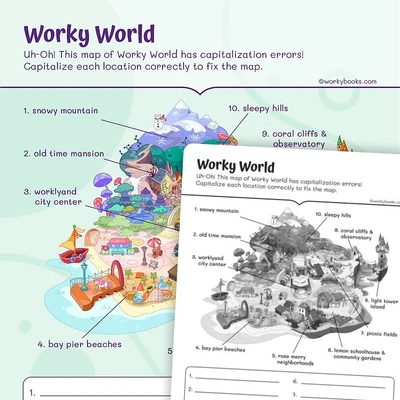
This capitalization sheet will help students to practice capitalizing geographic locations. Illustrated on the sheet is ...
L.2.2.AL.2.2
Anne Frank's Message to the World
This reading passage explores the life and legacy of Anne Frank, a Jewish teenager who documented her experiences during...
Easy Black History Month Word Search
RF.4.3RF.5.3L.4.4L.5.4
League of Nations
This comprehensive history reading passage explores the origins, structure, and impact of the League of Nations, establi...