Aztec Chinampas
Interactive passage with audio narration, comprehension questions, and printable PDF.
By completing this purchase you agree to our Terms of Use and Privacy Policy. Your subscription renews automatically until you cancel. You can cancel anytime from your account settings. All sales are final and non-refundable. Digital content is available for download in your account immediately upon purchase.
What's included
Aztec Chinampas preview and details
About this printable Aztec Chinampas reading passage (Grades 5-8)
Sample passage and quiz from Aztec Chinampas
Reading passage and comprehension quiz preview
Aztec Chinampas
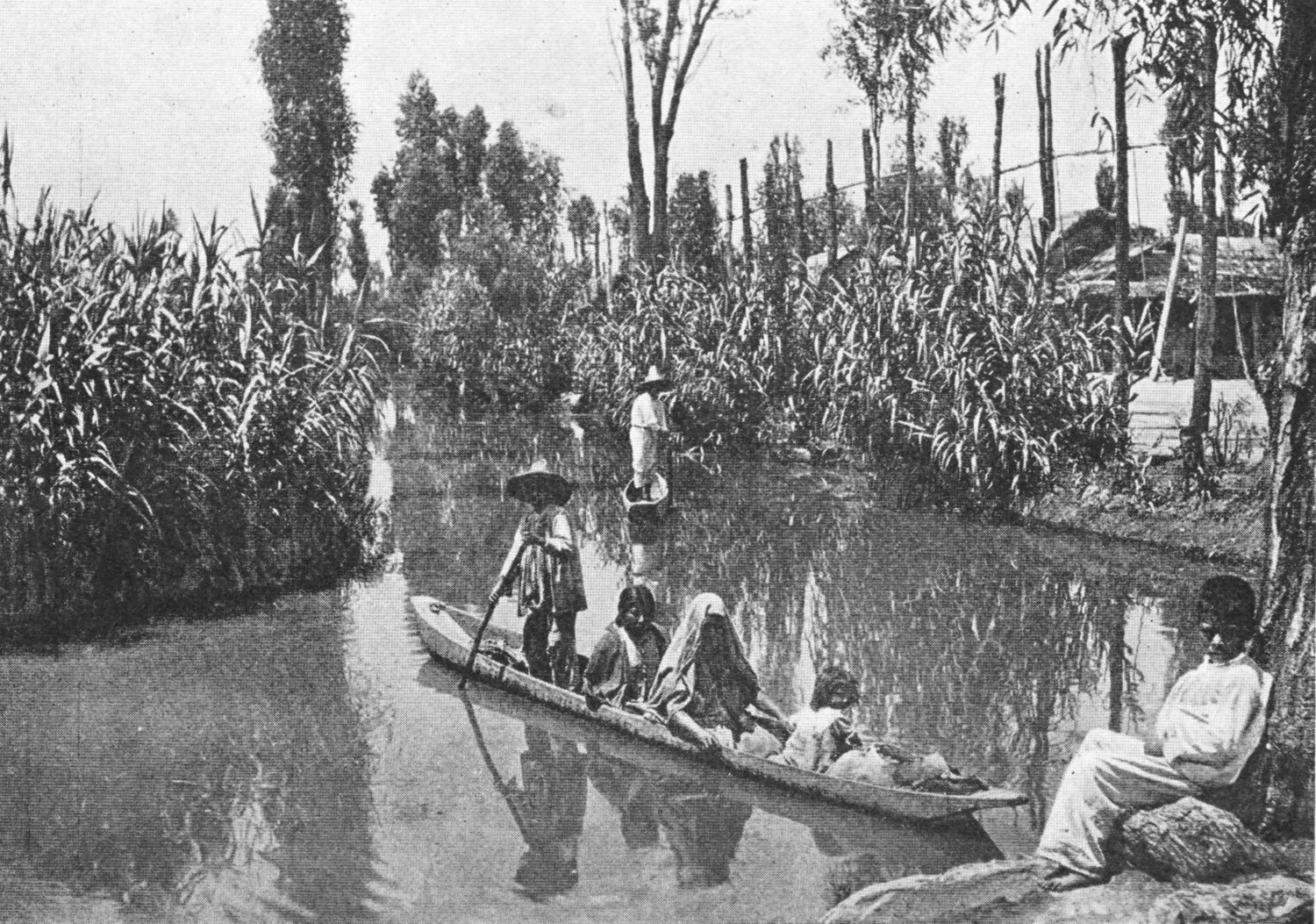
"Chinampas" by Karl Weule, †1926 / Wikimedia Commons
The Aztec civilization developed one of the most remarkable agricultural inventions in world history: the chinampa, or floating garden. Located in the Valley of Mexico, the Aztec city-state of Tenochtitlan depended on these artificial islands to feed its growing population. By the 15th century, Tenochtitlan was home to more than 200,000 people, making it one of the largest cities of its time.
Chinampas were constructed by weaving sticks together to form a base in the shallow lake beds around Tenochtitlan, especially in Lake Texcoco. Builders layered mud, lake sediment, and decaying vegetation on top, creating rectangular plots of fertile land. Wooden stakes anchored the edges, and willow trees were often planted at the corners to provide stability. Archaeological studies have uncovered the remains of these structures, demonstrating how they formed a grid-like pattern across the lakes. Spanish chroniclers, such as Hernán Cortés in his letters from 1521, described the chinampas as "floating gardens" that produced abundant crops.
This method of intensive agriculture allowed the Aztecs to maximize food production in limited space. Farmers grew maize, beans, squash, tomatoes, chili peppers, and flowers, rotating crops to maintain soil fertility. Canals between the chinampas provided irrigation and easy transportation by canoe. The system was so productive that it could yield several harvests per year. According to some estimates, chinampas supplied up to half the food for Tenochtitlan's population. The technique was sustainable, with the natural cycle of water and nutrients reducing the need for artificial fertilizers.
The creation and maintenance of chinampas required cooperation among families and neighborhoods. The Aztec social structure included commoners who worked the land and paid tribute in crops, as well as nobles who managed larger estates. Chinampas were not just farms; they were also the basis for markets, religious ceremonies, and community life. Over time, the system expanded and adapted, even after the Spanish conquest, with remnants still visible today in Xochimilco.
The significance of chinampas goes beyond food production. They demonstrate how the Aztecs adapted to their environment, using engineering skills and innovation to solve problems. Chinampas supported population growth, economic power, and the rise of Tenochtitlan as a major center in Mesoamerica. Their success shows the close relationship between geography and human society.
This story of the Aztec chinampas connects to broader themes of adaptation, technology, and the impact of agriculture on civilization.
Interesting Fact: Some chinampas in Xochimilco are still used today, more than 500 years after the Aztec Empire.
Comprehension quiz (8 questions)
1. What is a chinampa?
2. Where was Tenochtitlan located?
3. What crops grew on chinampas?
4. Why did Aztecs build chinampas?
5. How were chinampas stabilized?
6. What made chinampas sustainable?
7. Chinampas still exist today. True or false?
8. What does innovation mean?
Perfect for the way you teach
- Build comprehension skills
- Auto-graded quiz
- Differentiated reading
- Read together at home
- Improve fluency
- Quiet reading time
- Reading curriculum support
- Independent practice
- Track Lexile growth