Native vs European Land Views — Reading Comprehension
Rate this
Premium Resource
Present
Present in classroom. No work saved
Assign
Classroom with student accounts, Track progress
Quick Play
No student accounts, assign with a link
Grades
6
7
8
Standards
D2.HIS.2.3-5
D2.HIS.3.3-5
RI.4.3
RI.4.4
W.4.2
PRINT+DIGITAL RESOURCE
This learning resource is available in interactive and printable formats. The interactive worksheet can be played online and assigned to students. The Printable PDF version can be downloaded and printed for completion by hand.
This passage examines the contrasting beliefs about land between Native American societies and European settlers, highlighting the causes and consequences of these differences in U.S. history. Students will analyze how Native Americans viewed land as a shared resource, while Europeans believed in individual property ownership, leading to conflict and cultural misunderstanding. The passage uses historical evidence and a primary source quote to illustrate the complexity of these views, encourages students to compare perspectives, and addresses the impact of these ideas on American history. Activities include a multiple-choice quiz, writing prompts, a graphic organizer, and a glossary of key terms. The passage aligns with C3 Framework and Common Core standards and includes a Spanish translation and read aloud audio to support diverse learners.
CONTENT PREVIEW
Expand content preview
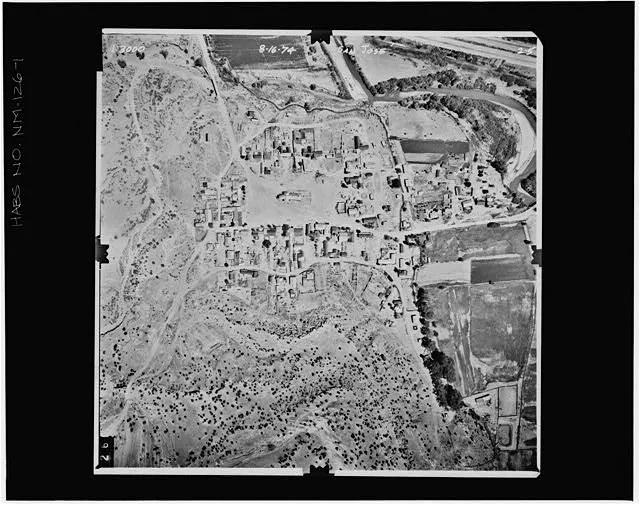
Village of San Jose Dal Vado, Upper Pecos River Valley, San Jose, San Miguel County, NM. Source: Library of Congress - Historic American Buildings Survey
Native American societies and European colonists had fundamentally different views about land. For many Native American nations, land was seen as a shared, living resource. It was not something a single person could own or sell. Instead, land belonged to the community, and people acted as stewards who cared for it together. The land provided food, shelter, and spiritual meaning. Native communities valued communal use, where everyone shared resources and responsibilities.
In contrast, European settlers arrived in North America with their own ideas about land. Europeans came from societies where private property was the norm. They believed that land could be owned by individuals or families, who had the sovereignty to use, buy, or sell it. This belief was connected to European laws and economic systems, which rewarded people for improving and farming their own land.
These opposing beliefs caused major conflict. When Europeans claimed land, Native peoples often saw this as breaking sacred relationships and communal agreements. Treaties were sometimes signed, but translations and misunderstandings led to unfair deals. Europeans frequently ignored Native concepts of stewardship and community, and pushed for legal dispossession—the removal of Native peoples from their lands.
As settlement expanded, these conflicts increased. The U.S. government created policies and passed laws that supported European-style property rights. Many Native nations lost their lands through forced treaties, war, and removal. This process led to the loss of traditional ways of life, as Native communities were moved to reservations and denied the right to manage their own territory as they had before.
The clash over land was not just about physical space. It was a struggle over culture, identity, and survival. Native Americans fought to maintain their relationship with the land and their sovereignty as independent nations. Over time, some Native groups adapted by combining their traditions with new economic opportunities, while others continued to resist.
Understanding these differences helps us see why land remains a powerful issue in American history. It also shows the long-lasting effects of differing beliefs about property, stewardship, and community. Today, many Native nations continue to defend their rights to land and seek recognition of their traditional practices.
Interesting Fact: The concept of communal land still exists in some Native communities, and legal battles over land rights continue in the United States today.
What did Native Americans believe about land?
It was shared by allIt should be soldIt belonged to familiesIt was only for leaders
What is private property?
Shared by allOwned by individualsTraded for foodCared for communally
Why did conflicts arise?
Different land viewsLanguage barriersClimate issuesSame beliefs
How did Europeans view land?
As communalAs spiritualAs private propertyAs temporary
What is stewardship?
Owning landCaring for landSelling landIgnoring land
What did treaties often cause?
Fair land sharingNo changesUnfair dealsMore food
Native land rights battles continue today. True or false?
TrueFalse
What does dispossession mean?
Owning landLosing land unfairlyBuying landImproving land
Perfect For:
👩🏫 Teachers
• Reading comprehension practice
• Auto-graded assessments
• Literacy skill development
👨👩👧👦 Parents
• Reading practice at home
• Comprehension improvement
• Educational reading time
🏠 Homeschoolers
• Reading curriculum support
• Independent reading practice
• Progress monitoring
Reading Features:
📖
Reading Passage
Engaging fiction or nonfiction text
❓
Comprehension Quiz
Auto-graded questions
📊
Instant Feedback
Immediate results and scoring
📄
Printable Version
Download for offline reading
🔊
Read Aloud
Voice-over with word highlighting
Reviews & Ratings
No reviews yet. Be the first to share your experience!
Related Content
Native American Tribes Across America
This engaging history reading passage introduces students to Native American tribes across America, focusing on their da...
D2.HIS.1.3-5D2.HIS.2.3-5RI.4.1RI.4.2
Teepees: Homes on the Great Plains
This engaging history reading passage introduces students to teepees, the unique homes of Native American tribes on the ...
D2.HIS.2.3-5D2.HIS.14.3-5RI.4.1RI.4.2RI.4.4
Traditional Native American Clothing
This engaging history passage explores traditional Native American clothing and how it reflected the environment, values...
D2.HIS.2.3-5D2.HIS.3.3-5RI.4.3RI.4.4
The Iroquois Confederacy: A System of Peace
This engaging U.S. History reading passage introduces students to the Iroquois Confederacy, a powerful alliance of Nativ...
D2.HIS.2.3-5D2.HIS.3.3-5RI.4.3RI.4.4
The Cherokee Nation: History and Culture
This reading passage explores the rich history and culture of the Cherokee Nation, one of the largest Native American tr...
D2.HIS.2.3-5D2.HIS.14.3-5RI.4.3RI.4.4RI.4.10
The Sioux: Warriors and Tribal Leaders
This history reading passage explores the Sioux Nation, focusing on their roles as warriors and tribal leaders. Students...
D2.HIS.1.3-5D2.HIS.2.3-5RI.4.1RI.4.3
Native American Respect for Nature
This engaging history reading passage explores Native American respect for nature, emphasizing the close relationship be...
D2.HIS.2.3-5D2.HIS.3.3-5RI.4.3RI.4.4
Jamestown: The First Permanent English Colony
This engaging history passage explores the founding of Jamestown, the first permanent English colony in America. Aligned...
D2.HIS.1.3-5D2.HIS.2.3-5RI.4.3RI.4.4
Pocahontas and the Powhatan People
This engaging reading passage explores the life of Pocahontas and the Powhatan people and their important role in early ...
D2.HIS.1.3-5D2.HIS.2.3-5RI.4.1RI.4.3
Colonial Children: School and Chores
This reading passage explores the daily lives of colonial children, focusing on their experiences at school and their ma...
D2.HIS.2.3-5D2.HIS.3.3-5RI.4.1RI.4.2RI.4.4
Colonial Clothing and Homemade Goods
This engaging U.S. history passage explores the daily life of early American colonists with a focus on colonial clothing...
D2.HIS.2.3-5RI.4.3RI.4.4
Colonial Jobs: Blacksmiths, Bakers, and Craftsmen
This engaging history reading passage explores the vital roles of blacksmiths, bakers, and craftsmen in colonial America...
D2.HIS.2.3-5D2.HIS.3.3-5RI.4.3RI.4.4
Colonial Towns and Village Life
This engaging history reading passage explores the daily life, work, and unity found in colonial towns and villages. Ali...
D2.HIS.1.3-5D2.HIS.2.3-5RI.4.3RI.4.4
Colonial Trade with England and Africa
This history reading passage explores colonial trade between the American colonies, England, and Africa, focusing on the...
D2.HIS.2.3-5D2.HIS.14.3-5RI.4.3RI.4.4
Benjamin Franklin: Printer, Inventor, and Leader
This history reading passage explores the life and achievements of Benjamin Franklin, one of America's most important ea...
D2.HIS.2.3-5D2.HIS.3.3-5RI.4.1RI.4.3
George Washington Leads the Army
This engaging history reading passage explores how George Washington bravely led the Continental Army during the America...
D2.HIS.1.3-5D2.HIS.2.3-5RI.4.3RI.4.4
Women and Children During the Revolutionary War
This reading passage explores the important roles women and children played during the Revolutionary War. Students will ...
D2.HIS.2.3-5RI.4.3RI.5.3
African Americans Fight for Freedom
This educational passage explores the brave and inspiring story of how African Americans fought for freedom in the Unite...
D2.HIS.2.3-5D2.HIS.3.3-5RI.4.3RI.4.4
The Battle of Yorktown Ends War
This engaging U.S. history reading passage explores the Battle of Yorktown, a key event that ended the American Revoluti...
D2.HIS.1.3-5D2.HIS.2.3-5RI.4.1RI.4.3
Loyalists vs. Patriots: Divided Families
This engaging U.S. history reading passage explores the division between Loyalists and Patriots during the American Revo...