This learning resource is available in interactive and printable formats. The interactive worksheet can be played online and assigned to students. The Printable PDF version can be downloaded and printed for completion by hand.
This engaging U.S. history reading passage explores the complex story of Benedict Arnold's treason during the American Revolution. Students will analyze the causes, motivations, and consequences of Arnold’s betrayal, examining multiple perspectives and the evidence behind this dramatic event. The passage incorporates a primary source quote, disciplinary vocabulary, and an analytical point of view, challenging students to think like historians. Activities include a multiple-choice quiz, writing prompts, a T-Chart graphic organizer, and a timeline of key events. The resource is aligned to C3 and Common Core standards (D2.His.2.3-5, D2.His.3.3-5, RI.4.3, RI.4.4, W.4.2) and features read aloud audio support and a Spanish translation for accessibility. This resource is designed to deepen understanding of U.S. history through rigorous content and engaging tasks.
CONTENT PREVIEW
Expand content preview
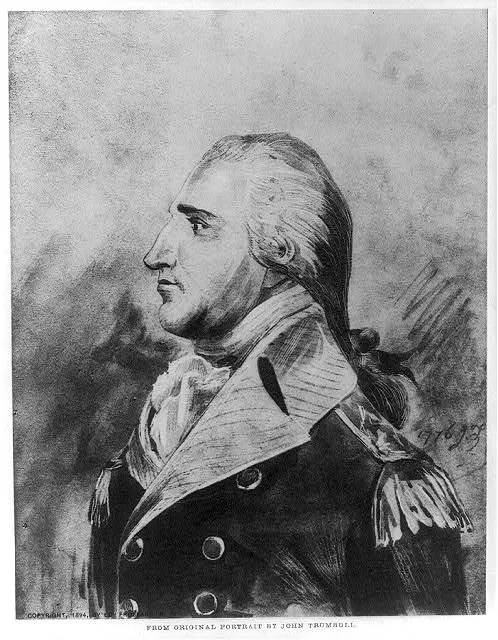
Benedict Arnold, 1741-1801. Source: Library of Congress
Benedict Arnold was once hailed as a courageous general in the Continental Army during the American Revolution. His daring actions in battles such as Saratoga helped gain vital victories for the American cause. However, Arnold’s story took a dramatic turn when he became involved in an infamous act of treason that shocked the nation and left his legacy forever changed.
Despite his early success, Arnold felt unappreciated and overlooked by his fellow officers. He faced accusations of corruption and was passed over for promotions, which fueled his growing resentment. These feelings were made worse by financial troubles. Arnold’s debts and a desire for recognition contributed to his decision to secretly negotiate with the British. This complex web of motivation highlights how personal grievances and broader conflict within the Continental Army led to a betrayal with lasting consequences.
Arnold’s conspiracy involved a plan to surrender West Point, a critical American fort on the Hudson River, to British forces in 1780. He communicated with Major John André, a British officer, using coded messages and secret meetings. The plan was uncovered when André was captured by American forces, exposing the plot. Arnold managed to escape to British lines, but André was executed as a spy. The news of Arnold’s actions spread rapidly, casting a shadow of infamy over his name.
The effects of Arnold’s treason were profound. His betrayal became a powerful warning about the dangers of divided loyalty during times of conflict. Leaders like George Washington were reminded of the importance of trust and unity. Arnold’s defection also energized the American cause, as his actions stirred anger and strengthened the determination of Patriots to fight for independence. The word traitor soon became synonymous with his name, and his story entered American folklore as the ultimate example of disloyalty.
Historians continue to debate the causes and impact of Benedict Arnold’s treason. Some focus on his personal grievances, while others examine the war’s hardships and the lack of support he felt from Congress and fellow officers. What remains clear is that Arnold’s story offers a lesson in the complexities of human behavior during times of war and the lasting consequences of betrayal.
Interesting Fact: After escaping to the British, Benedict Arnold received money and a position in the British army, but he never gained the respect or trust he longed for, even among his new allies.
What year did Arnold plan to betray West Point?
1780177517901765
Who was Arnold's British contact?
Major John AndréGeorge WashingtonKing George IIIThomas Jefferson
Which fort did Arnold plan to surrender?
West PointFort TiconderogaBunker HillYorktown
Why did Arnold become resentful?
He lacked recognition and faced accusationsHe disliked the BritishHe won every battleHe was a prisoner
What effect did Arnold’s betrayal have?
It strengthened American determinationIt ended the warIt made him a heroIt weakened trust in George Washington
What happened to Major André?
He was executed as a spyHe escaped to FranceHe became a generalHe joined the Continental Army
Arnold was always trusted by the British. True or false?
TrueFalse
What is 'treason'?
Betraying your own countryWinning a battleHelping a friendSigning a treaty
Perfect For:
👩🏫 Teachers
• Reading comprehension practice
• Auto-graded assessments
• Literacy skill development
👨👩👧👦 Parents
• Reading practice at home
• Comprehension improvement
• Educational reading time
🏠 Homeschoolers
• Reading curriculum support
• Independent reading practice
• Progress monitoring
Reading Features:
📖
Reading Passage
Engaging fiction or nonfiction text
❓
Comprehension Quiz
Auto-graded questions
📊
Instant Feedback
Immediate results and scoring
📄
Printable Version
Download for offline reading
🔊
Read Aloud
Voice-over with word highlighting
Reviews & Ratings
No reviews yet. Be the first to share your experience!
Related Content
Native American Tribes Across America
This engaging history reading passage introduces students to Native American tribes across America, focusing on their da...
D2.HIS.1.3-5D2.HIS.2.3-5RI.4.1RI.4.2
Teepees: Homes on the Great Plains
This engaging history reading passage introduces students to teepees, the unique homes of Native American tribes on the ...
D2.HIS.2.3-5D2.HIS.14.3-5RI.4.1RI.4.2RI.4.4
Traditional Native American Clothing
This engaging history passage explores traditional Native American clothing and how it reflected the environment, values...
D2.HIS.2.3-5D2.HIS.3.3-5RI.4.3RI.4.4
The Iroquois Confederacy: A System of Peace
This engaging U.S. History reading passage introduces students to the Iroquois Confederacy, a powerful alliance of Nativ...
D2.HIS.2.3-5D2.HIS.3.3-5RI.4.3RI.4.4
The Cherokee Nation: History and Culture
This reading passage explores the rich history and culture of the Cherokee Nation, one of the largest Native American tr...
D2.HIS.2.3-5D2.HIS.14.3-5RI.4.3RI.4.4RI.4.10
The Sioux: Warriors and Tribal Leaders
This history reading passage explores the Sioux Nation, focusing on their roles as warriors and tribal leaders. Students...
D2.HIS.1.3-5D2.HIS.2.3-5RI.4.1RI.4.3
Native American Respect for Nature
This engaging history reading passage explores Native American respect for nature, emphasizing the close relationship be...
D2.HIS.2.3-5D2.HIS.3.3-5RI.4.3RI.4.4
Jamestown: The First Permanent English Colony
This engaging history passage explores the founding of Jamestown, the first permanent English colony in America. Aligned...
D2.HIS.1.3-5D2.HIS.2.3-5RI.4.3RI.4.4
Pocahontas and the Powhatan People
This engaging reading passage explores the life of Pocahontas and the Powhatan people and their important role in early ...
D2.HIS.1.3-5D2.HIS.2.3-5RI.4.1RI.4.3
Colonial Children: School and Chores
This reading passage explores the daily lives of colonial children, focusing on their experiences at school and their ma...
D2.HIS.2.3-5D2.HIS.3.3-5RI.4.1RI.4.2RI.4.4
Colonial Clothing and Homemade Goods
This engaging U.S. history passage explores the daily life of early American colonists with a focus on colonial clothing...
D2.HIS.2.3-5RI.4.3RI.4.4
Colonial Jobs: Blacksmiths, Bakers, and Craftsmen
This engaging history reading passage explores the vital roles of blacksmiths, bakers, and craftsmen in colonial America...
D2.HIS.2.3-5D2.HIS.3.3-5RI.4.3RI.4.4
Colonial Towns and Village Life
This engaging history reading passage explores the daily life, work, and unity found in colonial towns and villages. Ali...
D2.HIS.1.3-5D2.HIS.2.3-5RI.4.3RI.4.4
Colonial Trade with England and Africa
This history reading passage explores colonial trade between the American colonies, England, and Africa, focusing on the...
D2.HIS.2.3-5D2.HIS.14.3-5RI.4.3RI.4.4
Benjamin Franklin: Printer, Inventor, and Leader
This history reading passage explores the life and achievements of Benjamin Franklin, one of America's most important ea...
D2.HIS.2.3-5D2.HIS.3.3-5RI.4.1RI.4.3
George Washington Leads the Army
This engaging history reading passage explores how George Washington bravely led the Continental Army during the America...
D2.HIS.1.3-5D2.HIS.2.3-5RI.4.3RI.4.4
Women and Children During the Revolutionary War
This reading passage explores the important roles women and children played during the Revolutionary War. Students will ...
D2.HIS.2.3-5RI.4.3RI.5.3
African Americans Fight for Freedom
This educational passage explores the brave and inspiring story of how African Americans fought for freedom in the Unite...
D2.HIS.2.3-5D2.HIS.3.3-5RI.4.3RI.4.4
The Battle of Yorktown Ends War
This engaging U.S. history reading passage explores the Battle of Yorktown, a key event that ended the American Revoluti...
D2.HIS.1.3-5D2.HIS.2.3-5RI.4.1RI.4.3
Loyalists vs. Patriots: Divided Families
This engaging U.S. history reading passage explores the division between Loyalists and Patriots during the American Revo...