This learning resource is available in interactive and printable formats. The interactive worksheet can be played online and assigned to students. The Printable PDF version can be downloaded and printed for completion by hand.
This engaging U.S. history reading passage explores the rise of organized crime and bootleggers during Prohibition, a transformative period in 1920s America. Students will analyze the causes, motivations, and far-reaching consequences of the alcohol ban, learning how crime networks flourished and law enforcement struggled to keep order. The passage incorporates multiple perspectives, a primary source quote, and nuanced discussion of conflicting values regarding law, morality, and personal freedom. Activities include a timeline, glossary, Spanish translation, comprehension quiz, writing prompts, and a graphic organizer to deepen analysis. This resource aligns with C3 Framework D2.His.2.3-5, D2.His.3.3-5, and Common Core RI.4.3, RI.4.4, and W.4.2 standards. It also features a read aloud audio option and Spanish translation for accessibility.
CONTENT PREVIEW
Expand content preview
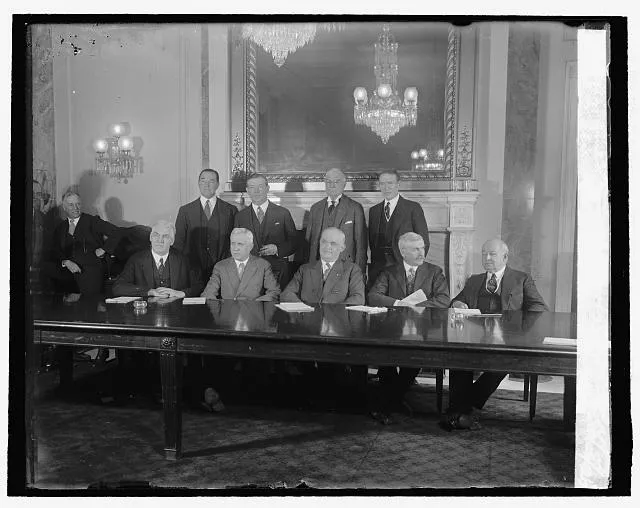
Senate Judiciary Com on amendment of Volstead Act, 4/5/26 Source: Library of Congress
During the 1920s and early 1930s, the United States experienced significant changes due to a nationwide ban on alcohol called Prohibition. The government passed the Eighteenth Amendment in 1919, making the production, sale, and transportation of alcohol illegal. This law created new opportunities—and new problems—for American society.
One major result of Prohibition was the rise of bootleggers. These were people who secretly made, moved, or sold alcohol, despite the law. Bootleggers used creative methods to hide their activities. For example, they might use hidden compartments in cars or transport alcohol in false-bottomed suitcases. Their actions were a direct response to the government’s attempt to control alcohol consumption.
As demand for illegal alcohol increased, organized crime groups became more powerful. These criminal organizations, like the notorious Chicago gang led by Al Capone, controlled entire networks for producing and distributing illegal liquor. They often used violence and bribery to protect their businesses and territory. Police and government officials sometimes accepted bribes to ignore these activities, leading to widespread corruption.
The illegal liquor trade brought serious problems to American cities. Rival gangs fought for control, resulting in violent confrontations and even murders. Innocent citizens could be caught in the crossfire. At the same time, the profits from bootlegging allowed criminals to expand their operations into other illegal activities, such as gambling and smuggling stolen goods. These actions undermined trust in law enforcement and the legal system.
Despite strict enforcement efforts by the government, Prohibition proved difficult to maintain. Many Americans continued to drink alcohol, often visiting secret bars known as speakeasies. Enforcement agencies, like the Bureau of Prohibition, struggled to stop the illegal trade. Smugglers, or "rum-runners," brought alcohol from Canada, the Caribbean, or Europe across borders and waterways. The high demand and potential for profit made it nearly impossible to end the illegal market.
In 1933, the government recognized that Prohibition had failed to reduce alcohol consumption and had instead fueled crime and corruption. The Twenty-first Amendment repealed the Eighteenth Amendment, making alcohol legal again. However, the era of bootleggers and organized crime left a lasting impact on American society, law enforcement, and the criminal justice system. The lessons learned during this period shaped future policies about crime and government regulation.
Interesting Fact: During Prohibition, some pharmacies legally sold "medicinal" whiskey by prescription, providing a loophole for people to obtain alcohol.
What was Prohibition?
A ban on alcoholA new tax lawA trade with EuropeA food shortage
Who was a famous organized crime leader?
Al CaponeFranklin RooseveltHenry FordEliot Ness
What year did Prohibition end?
1933191919251945
Why did bootleggers hide alcohol?
To avoid policeTo save moneyTo keep it coldFor better taste
How did organized crime affect cities?
Increased violenceBuilt museumsStopped smugglingHelped the police
What was a speakeasy?
A secret barA police stationA train stationA type of car
Prohibition caused the rise of bootleggers. True or false?
TrueFalse
What does 'corruption' mean in this passage?
Dishonest official behaviorA new lawMaking alcoholA secret bar
Perfect For:
👩🏫 Teachers
• Reading comprehension practice
• Auto-graded assessments
• Literacy skill development
👨👩👧👦 Parents
• Reading practice at home
• Comprehension improvement
• Educational reading time
🏠 Homeschoolers
• Reading curriculum support
• Independent reading practice
• Progress monitoring
Reading Features:
📖
Reading Passage
Engaging fiction or nonfiction text
❓
Comprehension Quiz
Auto-graded questions
📊
Instant Feedback
Immediate results and scoring
📄
Printable Version
Download for offline reading
🔊
Read Aloud
Voice-over with word highlighting
Reviews & Ratings
No reviews yet. Be the first to share your experience!
Related Content
Native American Tribes Across America
This engaging history reading passage introduces students to Native American tribes across America, focusing on their da...
D2.HIS.1.3-5D2.HIS.2.3-5RI.4.1RI.4.2
Teepees: Homes on the Great Plains
This engaging history reading passage introduces students to teepees, the unique homes of Native American tribes on the ...
D2.HIS.2.3-5D2.HIS.14.3-5RI.4.1RI.4.2RI.4.4
Traditional Native American Clothing
This engaging history passage explores traditional Native American clothing and how it reflected the environment, values...
D2.HIS.2.3-5D2.HIS.3.3-5RI.4.3RI.4.4
The Iroquois Confederacy: A System of Peace
This engaging U.S. History reading passage introduces students to the Iroquois Confederacy, a powerful alliance of Nativ...
D2.HIS.2.3-5D2.HIS.3.3-5RI.4.3RI.4.4
The Cherokee Nation: History and Culture
This reading passage explores the rich history and culture of the Cherokee Nation, one of the largest Native American tr...
D2.HIS.2.3-5D2.HIS.14.3-5RI.4.3RI.4.4RI.4.10
The Sioux: Warriors and Tribal Leaders
This history reading passage explores the Sioux Nation, focusing on their roles as warriors and tribal leaders. Students...
D2.HIS.1.3-5D2.HIS.2.3-5RI.4.1RI.4.3
Native American Respect for Nature
This engaging history reading passage explores Native American respect for nature, emphasizing the close relationship be...
D2.HIS.2.3-5D2.HIS.3.3-5RI.4.3RI.4.4
Jamestown: The First Permanent English Colony
This engaging history passage explores the founding of Jamestown, the first permanent English colony in America. Aligned...
D2.HIS.1.3-5D2.HIS.2.3-5RI.4.3RI.4.4
Pocahontas and the Powhatan People
This engaging reading passage explores the life of Pocahontas and the Powhatan people and their important role in early ...
D2.HIS.1.3-5D2.HIS.2.3-5RI.4.1RI.4.3
Colonial Children: School and Chores
This reading passage explores the daily lives of colonial children, focusing on their experiences at school and their ma...
D2.HIS.2.3-5D2.HIS.3.3-5RI.4.1RI.4.2RI.4.4
Colonial Clothing and Homemade Goods
This engaging U.S. history passage explores the daily life of early American colonists with a focus on colonial clothing...
D2.HIS.2.3-5RI.4.3RI.4.4
Colonial Jobs: Blacksmiths, Bakers, and Craftsmen
This engaging history reading passage explores the vital roles of blacksmiths, bakers, and craftsmen in colonial America...
D2.HIS.2.3-5D2.HIS.3.3-5RI.4.3RI.4.4
Colonial Towns and Village Life
This engaging history reading passage explores the daily life, work, and unity found in colonial towns and villages. Ali...
D2.HIS.1.3-5D2.HIS.2.3-5RI.4.3RI.4.4
Colonial Trade with England and Africa
This history reading passage explores colonial trade between the American colonies, England, and Africa, focusing on the...
D2.HIS.2.3-5D2.HIS.14.3-5RI.4.3RI.4.4
Benjamin Franklin: Printer, Inventor, and Leader
This history reading passage explores the life and achievements of Benjamin Franklin, one of America's most important ea...
D2.HIS.2.3-5D2.HIS.3.3-5RI.4.1RI.4.3
George Washington Leads the Army
This engaging history reading passage explores how George Washington bravely led the Continental Army during the America...
D2.HIS.1.3-5D2.HIS.2.3-5RI.4.3RI.4.4
Women and Children During the Revolutionary War
This reading passage explores the important roles women and children played during the Revolutionary War. Students will ...
D2.HIS.2.3-5RI.4.3RI.5.3
African Americans Fight for Freedom
This educational passage explores the brave and inspiring story of how African Americans fought for freedom in the Unite...
D2.HIS.2.3-5D2.HIS.3.3-5RI.4.3RI.4.4
The Battle of Yorktown Ends War
This engaging U.S. history reading passage explores the Battle of Yorktown, a key event that ended the American Revoluti...
D2.HIS.1.3-5D2.HIS.2.3-5RI.4.1RI.4.3
Loyalists vs. Patriots: Divided Families
This engaging U.S. history reading passage explores the division between Loyalists and Patriots during the American Revo...