This learning resource is available in interactive and printable formats. The interactive worksheet can be played online and assigned to students. The Printable PDF version can be downloaded and printed for completion by hand.
This engaging history reading passage examines the Boston Tea Party of 1773 through analytical and compare/contrast lenses, asking whether it was a justified protest or an act of vandalism. Students will explore causes, motivations, and consequences of the event, while considering evidence and multiple perspectives—including those of the colonists and the British government. The passage integrates academic vocabulary, includes a timeline of key events, and features a short primary source quote. Activities include a multiple-choice quiz, explanatory writing prompts, and a compare/contrast T-Chart organizer, all aligned to C3 Framework and Common Core standards. Read-aloud audio and a Spanish translation support diverse learners. This resource is ideal for educators seeking rigorous, multi-perspective U.S. History content focused on critical thinking and historical reasoning.
CONTENT PREVIEW
Expand content preview
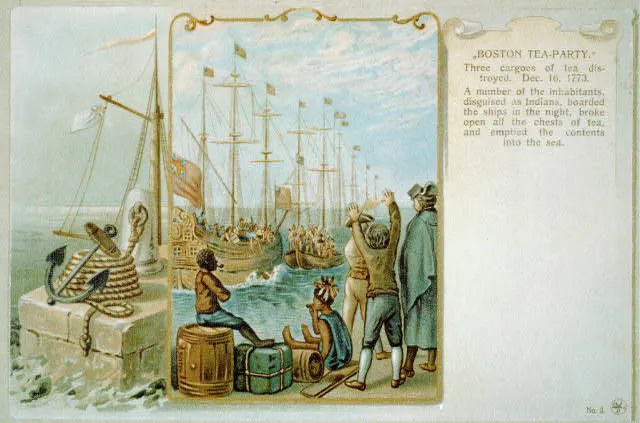
""Boston tea-party." Three cargoes of tea destroyed. Dec. 16, 1773" / Library of Congress.
The Boston Tea Party took place on the night of December 16, 1773, and became one of the most iconic protests in American history. Tensions between the American colonists and the British government had been rising for years because of unfair taxes and lack of colonial representation in Parliament. The British had imposed new taxes on everyday goods, including tea, hoping to increase their revenue and assert control over the colonies.
Colonial leaders, especially a secret group called the Sons of Liberty, strongly objected to these taxes. They believed that only their own elected assemblies should have the right to tax them. In response, the colonists organized a boycott of British products and held public meetings to voice their discontent. The arrival of three British ships loaded with taxed tea in Boston Harbor presented a direct challenge to colonial resistance.
On the evening of December 16, a group of about sixty men, many disguised as Mohawk Native Americans to hide their identities, boarded the ships. In a dramatic act of protest, they dumped 342 chests of tea into the harbor. This action destroyed a valuable shipment and sent a powerful message to Britain about colonial unity and resistance. The event was not violent, but it was a bold rejection of what the colonists saw as unjust laws.
The British government responded quickly and harshly. In 1774, Parliament passed the Intolerable Acts (also known as the Coercive Acts) to punish Massachusetts. These laws closed Boston Harbor, ended local self-government, and forced colonists to house British soldiers. Instead of weakening the colonial cause, the Intolerable Acts united the colonies against Britain and increased calls for independence.
Comparing the perspectives of the British and the colonists shows the complexity of the conflict. British leaders believed they had the right to govern and tax the colonies as part of the empire. The colonists, however, insisted on their rights as English subjects, including representation and self-government. These competing views set the stage for further conflict.
The Boston Tea Party was a turning point. It inspired other acts of resistance and helped bring about the first Continental Congress, where delegates from different colonies came together to discuss a unified response. The event demonstrated the power of collective action and the significance of civic protest in shaping history.
Interesting Fact: After the Boston Tea Party, King George III called the protestors "rebels" and demanded swift punishment, which only fueled the colonists' determination for independence.
When was the Boston Tea Party?
December 16, 1773July 4, 1776September 1774May 1773
What did colonists dump into the harbor?
SugarTeaClothTobacco
Who led the Boston Tea Party?
Sons of LibertyBritish soldiersParliamentKing George III
Why did colonists boycott British goods?
To show disapproval of taxesTo support BritainTo get more teaTo help the king
How did Britain respond to the Tea Party?
Passed Intolerable ActsGave colonists more rightsLowered taxesSent more tea
What effect did the Intolerable Acts have?
United the coloniesEnded protestsHelped British soldiersMade tea cheaper
The Boston Tea Party was peaceful.
TrueFalse
What does 'boycott' mean?
Refuse to buy goodsWrite a letterPay extra taxesMove to another colony
Perfect For:
👩🏫 Teachers
• Reading comprehension practice
• Auto-graded assessments
• Literacy skill development
👨👩👧👦 Parents
• Reading practice at home
• Comprehension improvement
• Educational reading time
🏠 Homeschoolers
• Reading curriculum support
• Independent reading practice
• Progress monitoring
Reading Features:
📖
Reading Passage
Engaging fiction or nonfiction text
❓
Comprehension Quiz
Auto-graded questions
📊
Instant Feedback
Immediate results and scoring
📄
Printable Version
Download for offline reading
🔊
Read Aloud
Voice-over with word highlighting
Reviews & Ratings
No reviews yet. Be the first to share your experience!
Related Content
Native American Tribes Across America
This engaging history reading passage introduces students to Native American tribes across America, focusing on their da...
D2.HIS.1.3-5D2.HIS.2.3-5RI.4.1RI.4.2
Teepees: Homes on the Great Plains
This engaging history reading passage introduces students to teepees, the unique homes of Native American tribes on the ...
D2.HIS.2.3-5D2.HIS.14.3-5RI.4.1RI.4.2RI.4.4
Traditional Native American Clothing
This engaging history passage explores traditional Native American clothing and how it reflected the environment, values...
D2.HIS.2.3-5D2.HIS.3.3-5RI.4.3RI.4.4
The Iroquois Confederacy: A System of Peace
This engaging U.S. History reading passage introduces students to the Iroquois Confederacy, a powerful alliance of Nativ...
D2.HIS.2.3-5D2.HIS.3.3-5RI.4.3RI.4.4
The Cherokee Nation: History and Culture
This reading passage explores the rich history and culture of the Cherokee Nation, one of the largest Native American tr...
D2.HIS.2.3-5D2.HIS.14.3-5RI.4.3RI.4.4RI.4.10
The Sioux: Warriors and Tribal Leaders
This history reading passage explores the Sioux Nation, focusing on their roles as warriors and tribal leaders. Students...
D2.HIS.1.3-5D2.HIS.2.3-5RI.4.1RI.4.3
Native American Respect for Nature
This engaging history reading passage explores Native American respect for nature, emphasizing the close relationship be...
D2.HIS.2.3-5D2.HIS.3.3-5RI.4.3RI.4.4
Jamestown: The First Permanent English Colony
This engaging history passage explores the founding of Jamestown, the first permanent English colony in America. Aligned...
D2.HIS.1.3-5D2.HIS.2.3-5RI.4.3RI.4.4
Pocahontas and the Powhatan People
This engaging reading passage explores the life of Pocahontas and the Powhatan people and their important role in early ...
D2.HIS.1.3-5D2.HIS.2.3-5RI.4.1RI.4.3
Colonial Children: School and Chores
This reading passage explores the daily lives of colonial children, focusing on their experiences at school and their ma...
D2.HIS.2.3-5D2.HIS.3.3-5RI.4.1RI.4.2RI.4.4
Colonial Clothing and Homemade Goods
This engaging U.S. history passage explores the daily life of early American colonists with a focus on colonial clothing...
D2.HIS.2.3-5RI.4.3RI.4.4
Colonial Jobs: Blacksmiths, Bakers, and Craftsmen
This engaging history reading passage explores the vital roles of blacksmiths, bakers, and craftsmen in colonial America...
D2.HIS.2.3-5D2.HIS.3.3-5RI.4.3RI.4.4
Colonial Towns and Village Life
This engaging history reading passage explores the daily life, work, and unity found in colonial towns and villages. Ali...
D2.HIS.1.3-5D2.HIS.2.3-5RI.4.3RI.4.4
Colonial Trade with England and Africa
This history reading passage explores colonial trade between the American colonies, England, and Africa, focusing on the...
D2.HIS.2.3-5D2.HIS.14.3-5RI.4.3RI.4.4
Benjamin Franklin: Printer, Inventor, and Leader
This history reading passage explores the life and achievements of Benjamin Franklin, one of America's most important ea...
D2.HIS.2.3-5D2.HIS.3.3-5RI.4.1RI.4.3
George Washington Leads the Army
This engaging history reading passage explores how George Washington bravely led the Continental Army during the America...
D2.HIS.1.3-5D2.HIS.2.3-5RI.4.3RI.4.4
Women and Children During the Revolutionary War
This reading passage explores the important roles women and children played during the Revolutionary War. Students will ...
D2.HIS.2.3-5RI.4.3RI.5.3
African Americans Fight for Freedom
This educational passage explores the brave and inspiring story of how African Americans fought for freedom in the Unite...
D2.HIS.2.3-5D2.HIS.3.3-5RI.4.3RI.4.4
The Battle of Yorktown Ends War
This engaging U.S. history reading passage explores the Battle of Yorktown, a key event that ended the American Revoluti...
D2.HIS.1.3-5D2.HIS.2.3-5RI.4.1RI.4.3
Loyalists vs. Patriots: Divided Families
This engaging U.S. history reading passage explores the division between Loyalists and Patriots during the American Revo...