Buffalo: Resource and Spiritual Symbol — Reading Comprehension
Rate this
Premium Resource
Present
Present in classroom. No work saved
Assign
Classroom with student accounts, Track progress
Quick Play
No student accounts, assign with a link
Grades
6
7
8
Standards
D2.HIS.2.3-5
D2.HIS.3.3-5
RI.4.3
RI.4.4
W.4.2
PRINT+DIGITAL RESOURCE
This learning resource is available in interactive and printable formats. The interactive worksheet can be played online and assigned to students. The Printable PDF version can be downloaded and printed for completion by hand.
This passage explores the complex history of the buffalo as both an essential resource and a spiritual symbol for Native American peoples of the Great Plains. It analyzes the cultural, economic, and ecological importance of the buffalo, examines contrasting perspectives between Native nations and Euro-American settlers, and addresses the causes and consequences of the near-extinction of the species during the 19th century. Students will engage with primary source evidence, disciplinary vocabulary, and a compare/contrast structure to deepen historical thinking. The passage is aligned to C3 Framework and Common Core State Standards, and includes activities such as a multiple-choice quiz, writing prompts, timeline, and a graphic organizer. Additional supports include a glossary of key terms, read aloud audio, and a full Spanish translation. This comprehensive resource is ideal for building historical analysis skills and understanding the nuanced relationship between people and the environment.
CONTENT PREVIEW
Expand content preview
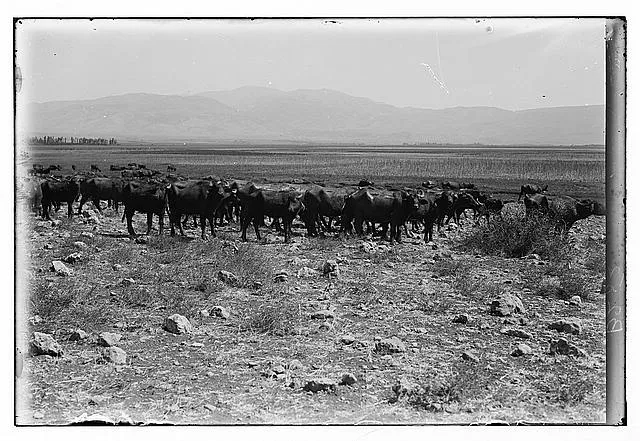
Herd of buffaloes. Source: Library of Congress
The buffalo, also called bison, held a central role in the lives of Plains Native American nations. Unlike other animals, the buffalo was not only a source of sustenance, but also a sacred symbol that shaped daily routines, beliefs, and community identity. The relationship between the Plains peoples and the buffalo was both practical and spiritual, revealing a complex cultural system shaped by geography, environment, and tradition.
The Plains nations, including the Lakota, Cheyenne, and Comanche, lived in a region of vast grasslands. These groups were often nomadic, moving with the herds to ensure survival. The buffalo provided almost everything they needed for daily life. Meat was preserved and eaten throughout the year, while hides were turned into clothing and durable tipis for shelter. Bones and horns became tools and weapons, demonstrating resourcefulness and adaptation to the environment. This made the buffalo essential for survival on the Plains.
Beyond its material uses, the buffalo was treated with deep reverence. Many Plains cultures believed the animal had spiritual power and was a gift from the Creator. Rituals and ceremonies, such as the Buffalo Dance, honored the animal’s spirit and asked for successful hunts. Every part of the buffalo was used, reflecting a sense of gratitude and respect for nature. This practice stood in contrast to later settlers, who often hunted buffalo for profit without regard for balance.
The arrival of European settlers and the expansion of railroads created significant challenges for the Plains nations. Settlers hunted buffalo on a massive scale, nearly driving them to extinction by the late 1800s. This caused a crisis for Native communities, who lost both a vital resource and a spiritual anchor. Their social and economic systems were disrupted, forcing adaptations and changes in traditional ways of life. Despite these hardships, many nations continue to honor the buffalo today, working to restore herds and revive cultural practices.
The story of the buffalo and the Plains nations demonstrates the complex connections between people, environment, and belief. It shows how natural resources can shape social structures and spiritual meaning, and how changes in environment and outside pressures can challenge traditional ways of living.
Interesting Fact: Some Plains nations used a pemmican made from dried buffalo meat mixed with fat and berries as a portable, long-lasting food source during hunts and journeys.
Which animal is central to Plains nations?
BuffaloWolfHorseDeer
What did Plains people use for shelter?
TipisCabinsMud hutsStone houses
What is pemmican?
Food made from buffalo meatA kind of tipiA spiritual leaderA hunting tool
Why did Plains peoples move often?
To follow buffalo herdsTo escape cold wintersTo find new villagesTo avoid settlers
How did buffalo loss affect Plains nations?
Lost main resource and cultureMade farming easierHelped them gain landImproved their trade
What does 'reverence' mean in the passage?
Deep respectGreat fearStrong angerMild interest
Buffalo were used in ceremonies. True or false?
TrueFalse
Which word means moving from place to place?
NomadicSacredGratitudePemmican
Perfect For:
👩🏫 Teachers
• Reading comprehension practice
• Auto-graded assessments
• Literacy skill development
👨👩👧👦 Parents
• Reading practice at home
• Comprehension improvement
• Educational reading time
🏠 Homeschoolers
• Reading curriculum support
• Independent reading practice
• Progress monitoring
Reading Features:
📖
Reading Passage
Engaging fiction or nonfiction text
❓
Comprehension Quiz
Auto-graded questions
📊
Instant Feedback
Immediate results and scoring
📄
Printable Version
Download for offline reading
🔊
Read Aloud
Voice-over with word highlighting
Reviews & Ratings
No reviews yet. Be the first to share your experience!
Related Content
Native American Tribes Across America
This engaging history reading passage introduces students to Native American tribes across America, focusing on their da...
D2.HIS.1.3-5D2.HIS.2.3-5RI.4.1RI.4.2
Teepees: Homes on the Great Plains
This engaging history reading passage introduces students to teepees, the unique homes of Native American tribes on the ...
D2.HIS.2.3-5D2.HIS.14.3-5RI.4.1RI.4.2RI.4.4
Traditional Native American Clothing
This engaging history passage explores traditional Native American clothing and how it reflected the environment, values...
D2.HIS.2.3-5D2.HIS.3.3-5RI.4.3RI.4.4
The Iroquois Confederacy: A System of Peace
This engaging U.S. History reading passage introduces students to the Iroquois Confederacy, a powerful alliance of Nativ...
D2.HIS.2.3-5D2.HIS.3.3-5RI.4.3RI.4.4
The Cherokee Nation: History and Culture
This reading passage explores the rich history and culture of the Cherokee Nation, one of the largest Native American tr...
D2.HIS.2.3-5D2.HIS.14.3-5RI.4.3RI.4.4RI.4.10
The Sioux: Warriors and Tribal Leaders
This history reading passage explores the Sioux Nation, focusing on their roles as warriors and tribal leaders. Students...
D2.HIS.1.3-5D2.HIS.2.3-5RI.4.1RI.4.3
Native American Respect for Nature
This engaging history reading passage explores Native American respect for nature, emphasizing the close relationship be...
D2.HIS.2.3-5D2.HIS.3.3-5RI.4.3RI.4.4
Jamestown: The First Permanent English Colony
This engaging history passage explores the founding of Jamestown, the first permanent English colony in America. Aligned...
D2.HIS.1.3-5D2.HIS.2.3-5RI.4.3RI.4.4
Pocahontas and the Powhatan People
This engaging reading passage explores the life of Pocahontas and the Powhatan people and their important role in early ...
D2.HIS.1.3-5D2.HIS.2.3-5RI.4.1RI.4.3
Colonial Children: School and Chores
This reading passage explores the daily lives of colonial children, focusing on their experiences at school and their ma...
D2.HIS.2.3-5D2.HIS.3.3-5RI.4.1RI.4.2RI.4.4
Colonial Clothing and Homemade Goods
This engaging U.S. history passage explores the daily life of early American colonists with a focus on colonial clothing...
D2.HIS.2.3-5RI.4.3RI.4.4
Colonial Jobs: Blacksmiths, Bakers, and Craftsmen
This engaging history reading passage explores the vital roles of blacksmiths, bakers, and craftsmen in colonial America...
D2.HIS.2.3-5D2.HIS.3.3-5RI.4.3RI.4.4
Colonial Towns and Village Life
This engaging history reading passage explores the daily life, work, and unity found in colonial towns and villages. Ali...
D2.HIS.1.3-5D2.HIS.2.3-5RI.4.3RI.4.4
Colonial Trade with England and Africa
This history reading passage explores colonial trade between the American colonies, England, and Africa, focusing on the...
D2.HIS.2.3-5D2.HIS.14.3-5RI.4.3RI.4.4
Benjamin Franklin: Printer, Inventor, and Leader
This history reading passage explores the life and achievements of Benjamin Franklin, one of America's most important ea...
D2.HIS.2.3-5D2.HIS.3.3-5RI.4.1RI.4.3
George Washington Leads the Army
This engaging history reading passage explores how George Washington bravely led the Continental Army during the America...
D2.HIS.1.3-5D2.HIS.2.3-5RI.4.3RI.4.4
Women and Children During the Revolutionary War
This reading passage explores the important roles women and children played during the Revolutionary War. Students will ...
D2.HIS.2.3-5RI.4.3RI.5.3
African Americans Fight for Freedom
This educational passage explores the brave and inspiring story of how African Americans fought for freedom in the Unite...
D2.HIS.2.3-5D2.HIS.3.3-5RI.4.3RI.4.4
The Battle of Yorktown Ends War
This engaging U.S. history reading passage explores the Battle of Yorktown, a key event that ended the American Revoluti...
D2.HIS.1.3-5D2.HIS.2.3-5RI.4.1RI.4.3
Loyalists vs. Patriots: Divided Families
This engaging U.S. history reading passage explores the division between Loyalists and Patriots during the American Revo...