This passage explores the discovery of gold in California at Sutter's Mill by James Marshall in January 1848 and its impact on American history. Students will learn how a simple discovery sparked the largest mass migration in the United States, transforming California’s population, economy, and place in the nation. Key vocabulary words are highlighted and explained in the glossary. Activities include a reading comprehension quiz, writing prompts, graphic organizers, and a timeline of events. The passage is available in Spanish for bilingual learning and includes a simplified version for accessible reading. This resource is aligned to HSS 4.4.1 and RH.6-8.2, making it ideal for standards-based instruction. The passage also provides an engaging way for students to connect past events to present-day California. A read-aloud audio feature is included to support diverse learners.
Written by Workybooks TeamPublished by Workybooks
Preview
Sample passage and quiz content
CONTENT PREVIEW
Expand content preview
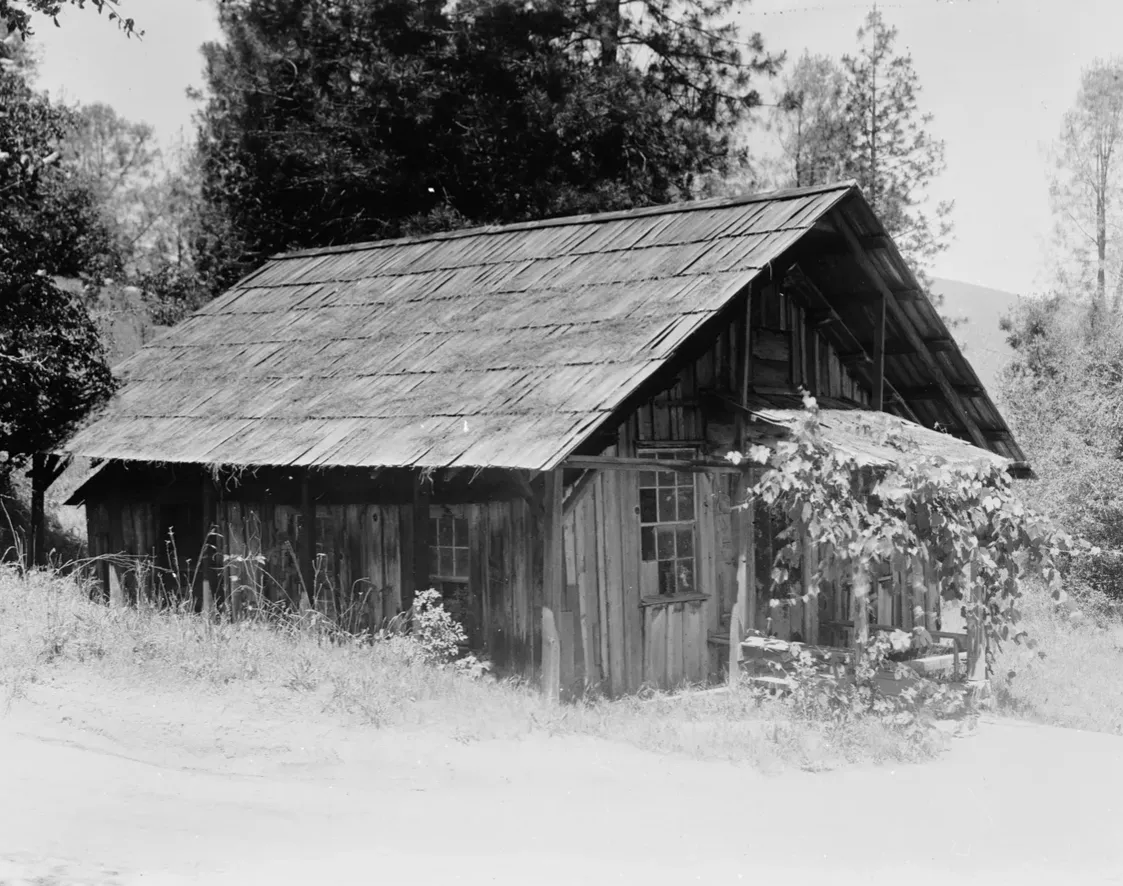
"Historic American Buildings Survey Wells Fargo Bank Historical Museum, S.F. Photographed- June 1926 James W Marshall who discovered gold.Wikimedia Commons
The discovery of gold at Sutter's Mill in California changed American history. In January 1848, a man named James Marshall was building a sawmill for John Sutter along the American River. While working, Marshall noticed shiny flakes in the water. He picked them up and realized they were gold.
At first, Marshall and Sutter tried to keep the discovery a secret. They worried that people would rush to their land and cause trouble. But soon, the news spread. By the summer of 1848, people all over California and the United States had heard about the gold. This started the Gold Rush.
Thousands of people, called forty-niners, traveled to California in search of gold. Some came by ship around South America. Others crossed dangerous land routes over mountains and deserts. The journey was long and hard, but the hope of becoming rich drove people to take risks.
The Gold Rush caused California's population to grow quickly. In 1848, very few people lived in California. By 1850, more than 100,000 people had arrived. New towns grew up near gold fields. Businesses opened to serve miners. People from many places, including Asia, Europe, and South America, came to California. This made California more diverse than ever before.
The Gold Rush also changed the land. Rivers were dug up and forests were cut down. Many miners did not find gold, but some became very wealthy. The money from gold helped California build cities and railroads. In 1850, California became a state, partly because of its growing population and wealth.
The discovery of gold at Sutter's Mill sparked big changes in the United States. People from all over the world came together to search for gold. California became a place of hope and new beginnings.
Interesting Fact: In just five years, people took more than $2 billion worth of gold from California's ground!
Who found gold at Sutter's Mill?
James MarshallJohn SutterA minerA farmer
What year did the Gold Rush begin?
1848185018301860
Where was the gold found?
American RiverMississippi RiverHudson BayLake Superior
Why did people travel to California?
To find goldTo visit familyFor farmingFor school
How did the Gold Rush change California?
It grew fastIt became colderIt lost peopleIt stopped mining
What happened because of the Gold Rush?
New towns grewRivers dried upGold was hiddenNo one moved
The Gold Rush made California more diverse. True or false?
TrueFalse
What does 'population' mean?
Number of peopleKind of goldType of riverCity name
Who it's for
Perfect for the way you teach
Teachers
Build comprehension skills
Auto-graded quiz
Differentiated reading
Parents
Read together at home
Improve fluency
Quiet reading time
Homeschoolers
Reading curriculum support
Independent practice
Track Lexile growth
Topics
California Gold RushSutter's MillJames MarshallWestward Expansiongold discoveryU.S. history1848migration
Reviews & Ratings
No reviews yet. Be the first to share your experience!
More reading you might love
19 more
Routes to California
This reading passage explores the three main routes people took to reach California during the Gold Rush: overland trail...
HSS 4.4.1RH.6-8.3
Transcontinental Railroad
This reading passage explores the history and importance of the Transcontinental Railroad, which was completed in 1869. ...
HSS 4.4.1RH.6-8.2
Golden Spike 1869
This history reading passage explores the 1869 Golden Spike event that marked the completion of America's Transcontinent...
HSS 4.4.1RH.6-8.1
Juan Bautista de Anza's Expedition
This reading passage explores the remarkable journey of Juan Bautista de Anza and his expedition from Mexico to Californ...
HSS 4.2.3RH.6-8.2
How Explorers Changed California
This engaging U.S. History reading passage explores how explorers from Europe transformed California through the Columbi...
HSS 4.2.2RH.6-8.2
California Mining Camps
This engaging history reading passage explores the world of California mining camps during the Gold Rush, aligning with ...
HSS 4.4.2RH.6-8.2
San Francisco Growth
This comprehensive U.S. history passage explores the rapid growth of San Francisco during the California Gold Rush. Stud...
HSS 4.4.3RH.6-8.2
California Agriculture Growth
This passage explores the remarkable growth of California's agriculture during the Progressive Era, focusing on how the ...
HSS 4.4.6RH.6-8.2
The 1879 California Constitution
This reading passage explores the significance of the 1879 California Constitution, explaining why California adopted a ...
HSS 4.5.1RH.6-8.2
California Progressive Era
This engaging reading passage explores the California Progressive Era, a crucial period in U.S. history when reformers l...
HSS 4.5.2RH.6-8.2
How a California Bill Becomes Law
This passage guides students through the step-by-step process of how a bill becomes a law in California, from the first ...
HSS 4.5.3RH.6-8.2
Civic Participation in California
This engaging U.S. History reading passage explores California citizen participation, focusing on how ordinary people he...
HSS 4.5.5RH.6-8.2
Meroë: Capital of Kush
This passage explores the rise and significance of Meroë, once the capital of the Kingdom of Kush in ancient Africa. Loc...
CA HSS 6.2.6RH.6-8.1RH.6-8.2WHST.6-8.2
New Kingdom Egypt
This engaging history reading passage explores the rise of Ancient Egypt during the New Kingdom, when Egypt became a pow...
CA HSS 6.2RH.6-8.2WHST.6-8.2
First Humans
This engaging history reading passage explores the evolution of early humans, tracing the journey from the earliest homi...
CA HSS 6.1RH.6-8.1RH.6-8.2W.6.2
Han Dynasty: Wheelbarrow
This passage explores the invention and historical significance of the wheelbarrow during the Han dynasty in ancient Chi...
CA HSS 6.6CCSS RH.6-8.1RH.6-8.2RH.6-8.4
Han Dynasty: Seismograph
Discover the groundbreaking invention of the seismograph during the Han dynasty in ancient China in this engaging histor...
HSS 6.6.7RH.6-8.1RH.6-8.2WHST.6-8.2
Early Human Migration
This comprehensive history reading passage explores the Out of Africa movement and how early humans migrated across cont...
CA HSS 6.1.1CCSS RH.6-8.1RH.6-8.2RH.6-8.4
Paleolithic Migration by Land and Sea
This passage explores the migration of Paleolithic humans from Africa to the rest of the world, focusing on the routes t...