Reading PassagePremium

Dorothea Dix Reforms

Interactive passage with audio narration, comprehension questions, and printable PDF.

No ratings yet
Grades 6–8ElaSocial-studiesHistoryEnglish · SpanishInteractive · Printable
Just this resource
$1.50
One-time purchase
Best value
Unlock everything
$49.99$29.99/yr
40% off until Aug 1 — 10,000+ resources
Renews at $49.99/year.
Unlock above to use these actions

What's included

Reading passage
Audio narration
Comprehension quiz
Writing activity
Glossary & flashcards
Differentiated version
Spanish translation

Dorothea Dix Reforms preview and details

About this printable Dorothea Dix Reforms reading passage (Grades 6-8)

This U.S. history reading passage explores the life and impact of Dorothea Dix, a key figure in 19th-century American reform movements. Students will analyze how Dix exposed terrible conditions in prisons and mental hospitals and advocated for humane treatment of the mentally ill. The passage uses a problem/solution structure, integrates a primary source quotation, and addresses multiple perspectives, including the challenges Dix faced from lawmakers and the broader consequences of her work on American society. Activities include a reading comprehension quiz, explanatory writing prompts, a cause-and-effect graphic organizer, and a chronological development table. Differentiated versions and Spanish translations are provided, meeting CA HSS 8.7.1 and RI.6.3 standards. Audio read-aloud options are available for accessibility. This resource supports students in developing historical reasoning, evidence-based analysis, and vocabulary skills, making it ideal for classroom or independent study.
Written by Workybooks TeamPublished by Workybooks
Preview

Sample passage and quiz from Dorothea Dix Reforms

Reading passage and comprehension quiz preview

Dorothea Dix Reforms
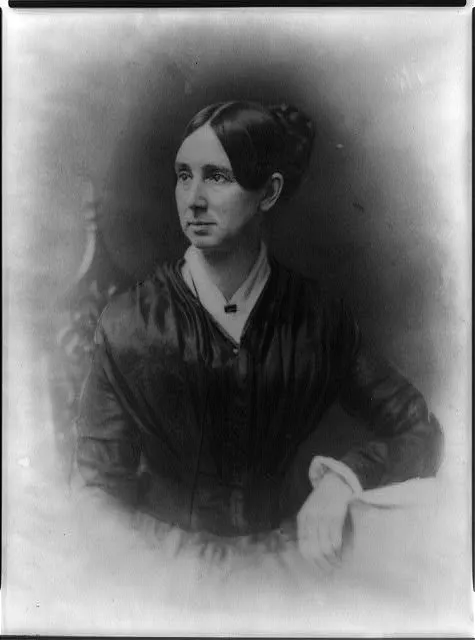
Dorothea Lynde Dix

"Dorothea Lynde Dix" / Library of Congress. 

Dorothea Dix was a leading reformer in 19th-century America. She dedicated her life to changing the way society treated people with mental illness and those in prison. Before her work, people with mental health challenges were often kept in jails or poorhouses instead of hospitals. The conditions in these places were harsh and unsafe, and most people did not believe that individuals with mental illness could be helped. This situation led to many people suffering alone, without proper care or hope for improvement.

Dix began her career as a teacher, but a visit to a Massachusetts jail in 1841 changed her life. She witnessed firsthand the cruel treatment of people suffering from mental illness, many of whom were chained, poorly clothed, and left in cold, filthy cells. Shocked by what she saw, Dix decided to become an advocate for change. She started collecting evidence and writing detailed reports about the inhumane conditions. She presented these facts to lawmakers, hoping to convince them of the urgent need for reform.

Dix's reports used careful documentation to describe the situation. She addressed the Massachusetts state legislature, providing them with examples and statistics. Her arguments were based on evidence, not just opinion. As a result, Massachusetts established its first state asylum for the mentally ill. An asylum was a special hospital designed to provide safe, humane treatment for people with mental health needs. Dix believed that with proper care, many people could recover or improve.

After her initial success, Dix expanded her efforts nationally. She traveled to many states, investigated conditions, and lobbied for new laws. Through her humanitarian work, more than 30 state asylums were created across the country. She also fought for better conditions in prisons, arguing that punishment should not mean cruelty. Dix emphasized the importance of rehabilitation—helping people change and re-enter society, rather than simply locking them away.

The Civil War brought new challenges. During the war, Dix served as Superintendent of Army Nurses for the Union. She organized care for wounded soldiers and fought for fair treatment of female nurses. Her leadership demonstrated how compassion and organization could make a difference, even in times of crisis. However, Dix also faced criticism. Some people resisted her ideas, believing that mental illness could not be treated or that women should not lead such efforts. Despite these obstacles, Dix persisted in her mission.

Dix’s legacy is complex. Her reforms led to significant improvements in how society treats vulnerable populations. However, the asylums she helped create were not perfect. Over time, some became overcrowded and understaffed. Still, historians recognize Dix as a pioneer in social reform and a key figure in the history of mental health care and prison reform. Her work reminds us of the importance of using evidence and advocacy to address social problems.

Interesting Fact: Dorothea Dix never accepted pay for her work as Superintendent of Army Nurses during the Civil War, believing her efforts were a duty to the country.

Comprehension quiz (8 questions)

1. Who was Dorothea Dix?

A social reformer
A famous artist
A Civil War general
A scientist

2. What did Dix fight for?

Better mental health care
New schools
Railroad expansion
More factories

3. What did asylums provide?

Safe mental health care
Free food
Education for children
Jobs for farmers

4. Why did Dix use reports?

To show evidence of poor conditions
To become famous
To build new schools
To join the army

5. How did Dix show compassion during the Civil War?

Organized care for wounded soldiers
Became a general
Opened new factories
Fought in battles

6. What was a problem with some asylums later?

Overcrowding and understaffing
Too much money
Lack of patients
Too many doctors

7. Dix never accepted pay during the Civil War.

True
False

8. What does 'rehabilitation' mean?

Helping people recover and re-enter society
Punishing people strictly
Building new prisons
Writing reports
Who it's for

Perfect for the way you teach

Teachers
  • Build comprehension skills
  • Auto-graded quiz
  • Differentiated reading
Parents
  • Read together at home
  • Improve fluency
  • Quiet reading time
Homeschoolers
  • Reading curriculum support
  • Independent practice
  • Track Lexile growth

Topics

Reviews & Ratings

No reviews yet. Be the first to share your experience!

More reading you might love

20 more
Passage
Civil War Causes - reading educational content

Civil War Causes

Reading Passage · D2.HIS.2.3-5

$1.50
Passage
Women's Roles in Civil War - reading educational content

Women's Roles in Civil War

Reading Passage · HSS 8.10.7

$1.50
Passage
Challenges After the Civil War - reading educational content

Challenges After the Civil War

Reading Passage · D2.HIS.1-6.3-5RI.4.3

$1.50
Passage
African American Soldiers in Civil War - reading educational content

African American Soldiers in Civil War

Reading Passage · D2.HIS.2.3-5

$1.50
Passage
Children and Women During the Civil War - reading educational content

Children and Women During the Civil War

Reading Passage · D2.HIS.2.3-5

Free
Passage
Sharecropping System After Civil War - reading educational content

Sharecropping System After Civil War

Reading Passage · D2.HIS.2.3-5

$1.50
Passage
Home Front Life Civil War - reading educational content

Home Front Life Civil War

Reading Passage

$1.50
Passage
The Civil War Finally Ends - reading educational content

The Civil War Finally Ends

Reading Passage · D2.HIS.1-6.3-5

Free
Passage
Fort Sumter 1861: Civil War Begins - reading educational content

Fort Sumter 1861: Civil War Begins

Reading Passage · D2.HIS.2.3-5

$1.50
Passage
Clara Barton: Civil War Nurse and Founder - reading educational content

Clara Barton: Civil War Nurse and Founder

Reading Passage · D2.HIS.2.3-5

$1.50
Passage
Surrender at Appomattox - reading educational content

Surrender at Appomattox

Reading Passage · HSS 8.10.7

$1.50
Passage
Reconstruction Era After Civil War: American History Reading - reading educational content

Reconstruction Era After Civil War: American History Reading

Reading Passage · RH.9-10.2

Free
Passage
Rebuilding the South - reading educational content

Rebuilding the South

Reading Passage

$1.50
Passage
Civil Rights Act of 1964 - reading educational content

Civil Rights Act of 1964

Reading Passage · HSS 11.10.5

$1.50
Passage
Advantages and Disadvantages: North vs. South - reading educational content

Advantages and Disadvantages: North vs. South

Reading Passage · HSS 8.10.5

$1.50
Passage
Segregation in America After World War II - reading educational content

Segregation in America After World War II

Reading Passage · D2.HIS.2.3-5

$1.50
Passage
New York Draft Riots 1863 - reading educational content

New York Draft Riots 1863

Reading Passage · D2.HIS.2.3-5

$1.50
Passage
Reconstruction Era: Rebuilding America After Civil War - 9-1 - reading educational content

Reconstruction Era: Rebuilding America After Civil War - 9-1

Reading Passage · RH.9-10.2

Free
Passage
African Americans Fight for the Union - reading educational content

African Americans Fight for the Union

Reading Passage · HSS 5.10.3

$1.50
Passage
New Schools in the South - reading educational content

New Schools in the South

Reading Passage

$1.50
Copyright © 2026 Workybooks. Made with ♥ in California.