Egyptian Pharaohs
Interactive passage with audio narration, comprehension questions, and printable PDF.
By completing this purchase you agree to our Terms of Use and Privacy Policy. Your subscription renews automatically until you cancel. You can cancel anytime from your account settings. All sales are final and non-refundable. Digital content is available for download in your account immediately upon purchase.
What's included
Egyptian Pharaohs preview and details
About this printable Egyptian Pharaohs reading passage (Grades 5-8)
Sample passage and quiz from Egyptian Pharaohs
Reading passage and comprehension quiz preview
What Was a Pharaoh
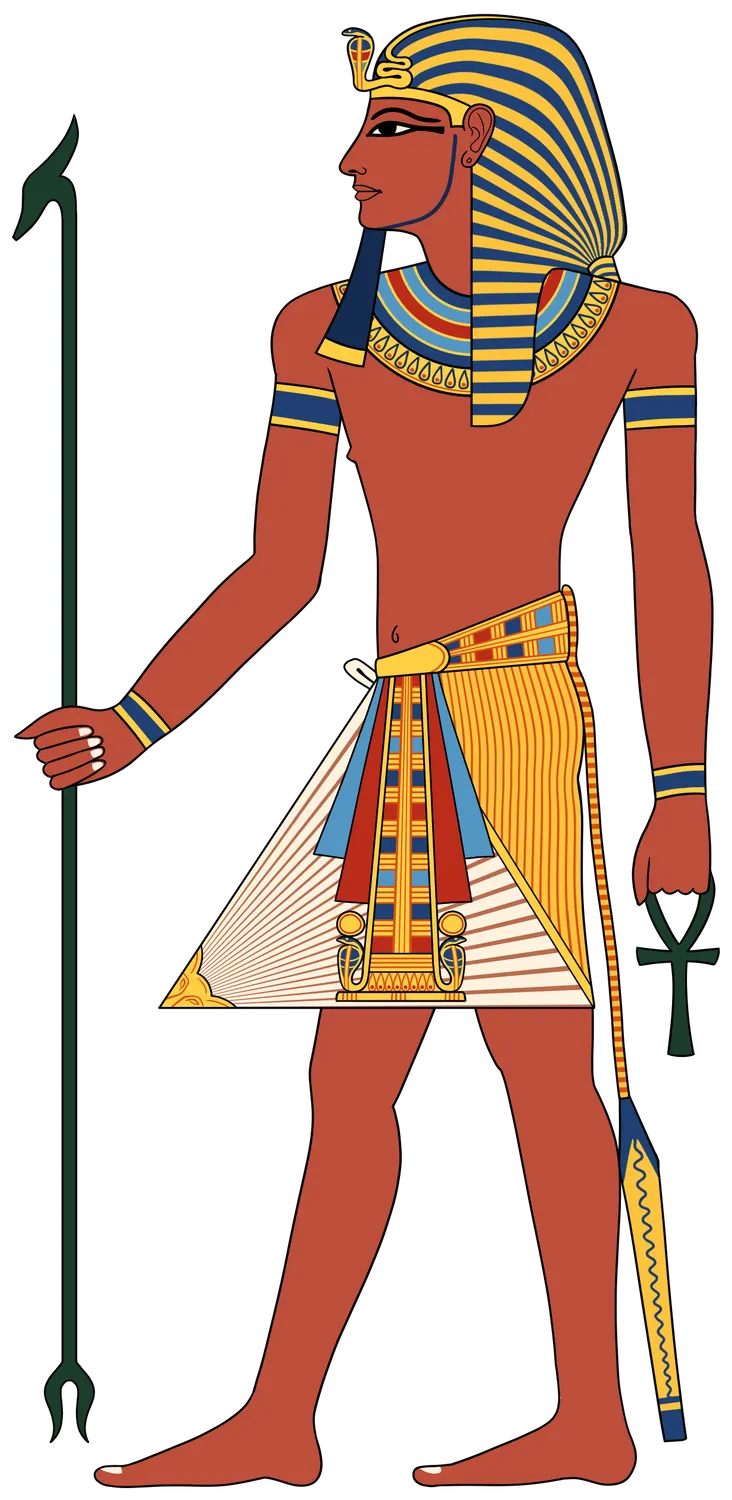
The role of the pharaoh was unique. Egyptians believed their pharaoh was not only a human ruler but also a living god, the earthly form of Horus and later identified with Osiris after death. Pharaoh 1" by Eternal Space / Wikimedia Commons
Pharaohs were the rulers of ancient Egypt, serving as both kings and religious leaders for over 3,000 years. The first dynasties began around 3100 BCE, when Upper and Lower Egypt were united under a single monarch. The power and identity of the pharaoh were deeply connected to Egypt’s geography, especially the life-giving Nile River, which made the land fertile and allowed civilization to thrive along its banks.
The role of the pharaoh was unique. Egyptians believed their pharaoh was not only a human ruler but also a living god, the earthly form of Horus and later identified with Osiris after death. This belief gave the pharaoh immense authority over all aspects of Egyptian society, including law, religion, and foreign policy. The pharaoh’s decisions shaped the lives of everyone, from powerful nobles to ordinary farmers. Pharaohs wore special symbols, such as the double crown representing the unity of Upper and Lower Egypt, and the crook and flail, signs of leadership and responsibility. The title of pharaoh itself comes from the Egyptian term 'per-aa,' meaning 'great house.'
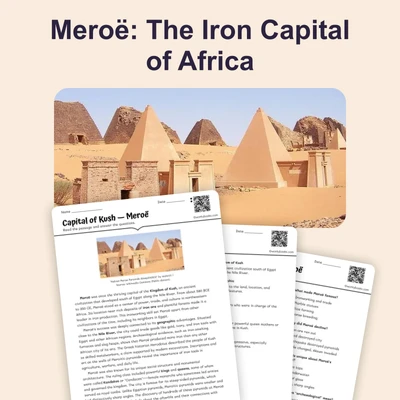
Pharaohs organized large-scale construction projects that still inspire awe today. The most famous are the pyramids at Giza, built during the Old Kingdom (about 2600–2100 BCE). These massive tombs were constructed to ensure the pharaoh’s safe passage to the afterlife and to display their power. The Great Pyramid of Khufu is a primary source of archaeological evidence, revealing the advanced engineering skills of ancient Egyptians. Inscriptions and wall paintings inside tombs, like those in the Valley of the Kings, offer firsthand details about royal burials, daily life, and beliefs.
Egyptian society was highly hierarchical, with the pharaoh at the very top. Below him were priests, officials, scribes, artisans, and farmers. The pharaoh’s court was responsible for collecting taxes, managing irrigation, and defending Egypt’s borders. Famous pharaohs include Hatshepsut, one of the few women to rule as pharaoh, and Ramses II, known for his military campaigns and monument building. Over time, the power of the pharaoh changed, sometimes weakening when rivals challenged the throne or when Egypt was invaded by foreign powers, such as the Hyksos or later the Persians.
The legacy of the pharaohs endures in monuments, art, and the stories they left behind. Their rule helped unify Egypt and create a culture admired by the ancient world. Studying the pharaohs connects us to big questions about leadership, religion, and how geography shapes civilization.
Interesting Fact: Pharaohs sometimes married their siblings to keep the royal bloodline "pure." This practice was believed to strengthen their divine right to rule.
Comprehension quiz (8 questions)
1. What was the pharaoh's main role?
2. What river was key for Egypt?
3. What were the pyramids used for?
4. Why did pharaohs build pyramids?
5. How was Egyptian society organized?
6. Who was Hatshepsut?
7. Pharaohs always kept power easily. True or false?
8. What does 'dynasty' mean?
Perfect for the way you teach
- Build comprehension skills
- Auto-graded quiz
- Differentiated reading
- Read together at home
- Improve fluency
- Quiet reading time
- Reading curriculum support
- Independent practice
- Track Lexile growth