This learning resource is available in interactive and printable formats. The interactive worksheet can be played online and assigned to students. The Printable PDF version can be downloaded and printed for completion by hand.
This middle school science reading passage, aligned to NGSS standard MS-PS3-1, explores the concepts of electric power and energy. Students will learn that electric power is the rate at which electrical energy is used, calculated by multiplying voltage and current, and measured in watts. The text explains the meaning and importance of kilowatt-hours in measuring energy use for billing, and demonstrates how to estimate energy costs based on device power ratings. Common household devices such as LED bulbs, laptops, microwaves, and hair dryers are compared to show variations in power consumption. The passage also explores energy efficiency, the importance of conservation, and offers practical tips for reducing energy usage. The resource includes glossary terms, a differentiated text for struggling readers, a Spanish translation, multiple-choice and writing activities, and graphic organizers. Audio integration supports diverse learners. This comprehensive resource supports students’ understanding of energy use in real-world contexts and builds analytical skills.
CONTENT PREVIEW
Expand content preview
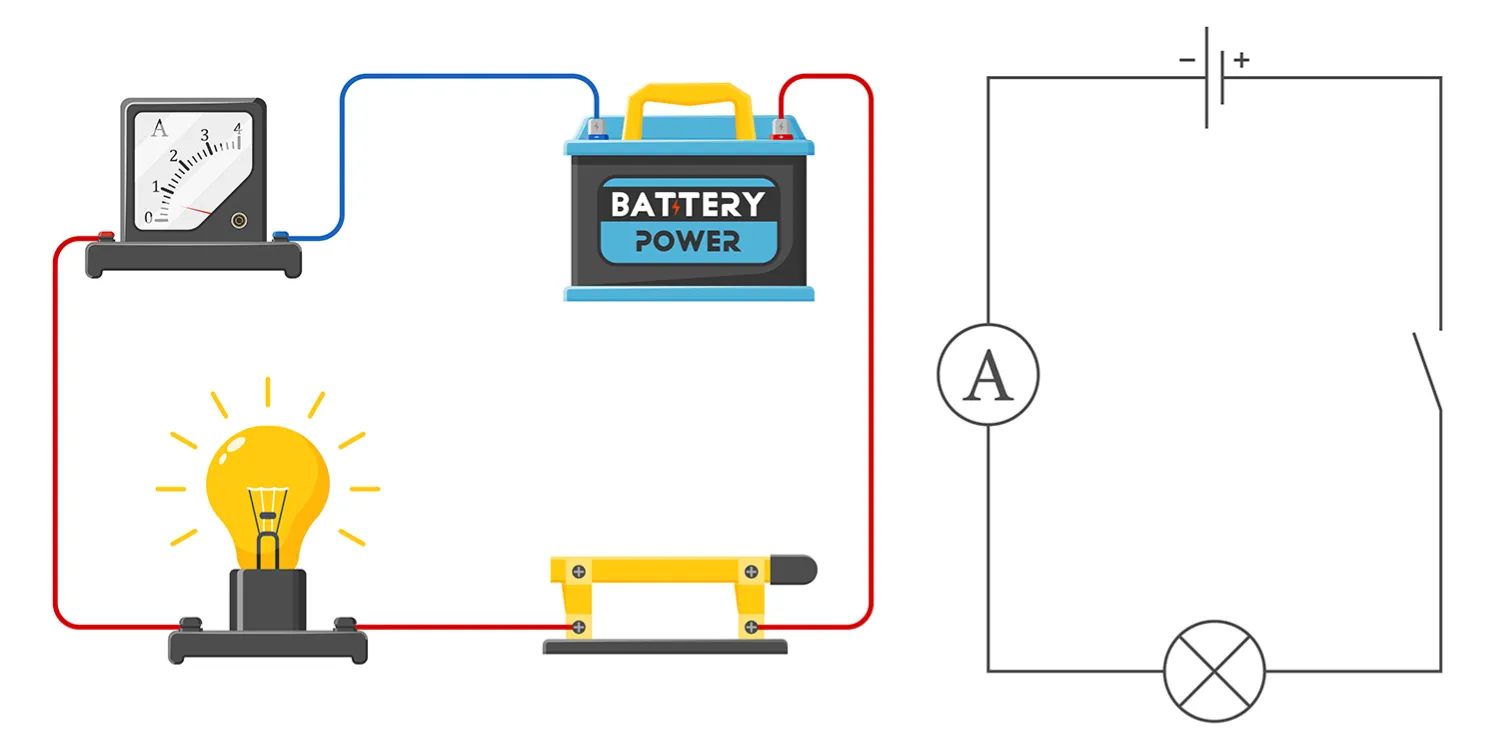
Basic electric circuit experiment an electric circuit with accumulator battery light bulb
Electric power is a measure of how quickly electrical energy is used or transferred. Every time a light turns on or a computer runs, energy is being used at a certain rate. Understanding power helps us make smart choices about the devices we use and how much energy we consume. This passage explains how electric power is calculated, how it is measured in watts, and how we keep track of our energy use with kilowatt-hours. It also compares the power ratings of common devices and explores ways to use energy more efficiently.
How Electric Power Works
The amount of power a device uses depends on two main factors: voltage (the push that moves electric charges) and current (the flow of electric charges). The basic formula for electric power is P = V × I, where P is power in watts, V is voltage in volts, and I is current in amperes. For example, if a device operates at 120 volts and draws 2 amperes of current, it uses 240 watts of power (120 × 2 = 240). The higher the power, the more energy is consumed per second. This is why a microwave (1000W) uses much more energy than an LED bulb (10W) when both run for the same amount of time.
Measuring and Paying for Energy
Energy companies bill customers based on the amount of energy they use, not just the power rating of each device. The standard unit for energy use is the kilowatt-hour (kWh), which equals 1,000 watts used for one hour. To find out how much energy a device uses, multiply its power (in kilowatts) by the number of hours it runs. For example, a hair dryer rated at 1500W (or 1.5kW) used for 2 hours uses 3 kWh (1.5 × 2 = 3). If a household pays $0.15 per kWh, running the hair dryer for 2 hours would cost $0.45. By comparing the energy used by different devices, people can make decisions to lower their bills and reduce their environmental impact.
Comparing Devices and Saving Energy
Different devices have different power ratings. An LED bulb uses about 10W, a laptop around 50W, a microwave about 1000W, and a hair dryer up to 1500W. Using energy-efficient devices, such as LED bulbs, can significantly reduce energy use over time. Conservation tips include turning off devices when not in use, unplugging chargers, and choosing appliances with high energy efficiency ratings. These actions help conserve resources, reduce pollution from power plants, and save money. Choosing efficient devices and using them wisely is good for both the planet and your wallet.
Understanding electric power and energy use helps us see the connections between science, technology, and our daily lives. By learning how to calculate power and energy, we can make better choices for ourselves and our communities.
Interesting Fact: Some LED bulbs can last over 20 years, using about 80% less energy than old incandescent bulbs!
What does electric power measure?
How quickly energy is used or transferredThe weight of a deviceThe cost of electricityThe size of an appliance
Which formula is used to calculate electric power?
P = V × IV = P × II = P × VP = I / V
What unit is used to measure electric power?
WattVoltAmpereKilogram
What does 'kilowatt-hour' mean?
1,000 watts used for one hour1,000 volts used for a dayThe voltage of a deviceA measurement of current
According to the passage, which uses the most power?
Hair dryerLED bulbLaptopFan
What is one way to save energy at home?
Turn off devices when not in useUse more hair dryersLeave lights on all dayRun microwaves all night
What is the main purpose of comparing device power ratings?
To help people reduce energy use and save moneyTo increase the cost of billsTo make devices heavierTo speed up voltage
True or False: Using energy-efficient devices can lower your electricity bill.
TrueFalse
True or False: Energy companies bill customers by the size of their appliances.
TrueFalse
Which of the following is an example of energy efficiency?
Using LED bulbs that use less electricityLeaving a hair dryer on all dayRunning a microwave for three hoursUsing only old appliances
Perfect For:
👩🏫 Teachers
• Reading comprehension practice
• Auto-graded assessments
• Literacy skill development
👨👩👧👦 Parents
• Reading practice at home
• Comprehension improvement
• Educational reading time
🏠 Homeschoolers
• Reading curriculum support
• Independent reading practice
• Progress monitoring
Reading Features:
📖
Reading Passage
Engaging fiction or nonfiction text
❓
Comprehension Quiz
Auto-graded questions
📊
Instant Feedback
Immediate results and scoring
📄
Printable Version
Download for offline reading
🔊
Read Aloud
Voice-over with word highlighting
Reviews & Ratings
No reviews yet. Be the first to share your experience!
Related Content
Work and Energy
This science reading passage for grades 6-8 introduces students to the concepts of work and energy, aligned with NGSS st...
MS-PS3-1
Energy Transformations
This engaging middle school science passage explores the concept of energy transformations, aligning with NGSS standards...
MS-PS3-1MS-PS3-2MS-PS3-5
Conservation of Energy
This comprehensive science passage introduces middle school students to the fundamental principle of the law of conserva...
MS-PS3-1MS-PS3-2MS-PS3-5
Mechanical Energy
This comprehensive passage introduces middle school students to the concept of mechanical energy, defined as the sum of ...
MS-PS3-1MS-PS3-2
Work and Power
This comprehensive passage introduces middle school students to the scientific definitions of work and power, aligning w...
MS-PS3-1
Simple Machines
This comprehensive passage introduces middle school students to the concept of simple machines, aligning with NGSS stand...
MS-PS3-1MS-PS3-2
Inclined Planes
This passage provides middle school students with a deep exploration of inclined planes, a fundamental type of simple ma...
MS-PS3-1MS-PS3-2
Wedges and Screws
This passage for grades 6-8 provides an in-depth exploration of wedges and screws as examples of simple machines. Studen...
MS-PS3-1MS-PS3-2
Wheel and Axle
This comprehensive middle school science passage explores the wheel and axle, a fundamental simple machine found in coun...
MS-PS3-1MS-PS3-2
Mechanical Advantage
This grade 6-8 science passage introduces students to the concept of mechanical advantage (MA) and its crucial role in u...
MS-PS3-1MS-PS3-2
Pulleys
This passage for grades 6-8 explores the science of pulleys, a fundamental simple machine that makes lifting objects eas...
MS-PS3-1MS-PS3-2
Compound Machines
This middle school science passage explores the concept of compound machines, which are devices formed by combining two ...
MS-PS3-1MS-PS3-2
Efficiency of Machines
This comprehensive passage for grades 6-8 explores the concept of efficiency in machines, aligning with NGSS standards M...