Exodusters
Interactive passage with audio narration, comprehension questions, and printable PDF.
By completing this purchase you agree to our Terms of Use and Privacy Policy. Your subscription renews automatically until you cancel. You can cancel anytime from your account settings. All sales are final and non-refundable. Digital content is available for download in your account immediately upon purchase.
What's included
Exodusters preview and details
About this printable Exodusters reading passage (Grades 6-8)
Sample passage and quiz from Exodusters
Reading passage and comprehension quiz preview
Exodusters
Source: Library of Congress - Mitchell, Neil, 1858-1934
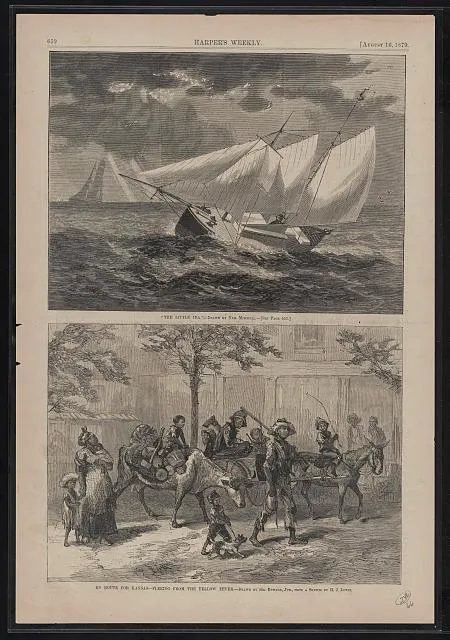
During the late 1870s, thousands of African Americans known as Exodusters left the southern United States. They moved to the western territories, especially Kansas, in search of a better life. Their migration was a response to harsh discrimination and violence after the Civil War. Many Exodusters saw the West as a land of opportunity where they could start fresh, own land, and build safe communities.
The end of Reconstruction in 1877 led to increased violence and new laws in the South that limited African Americans' rights. These new restrictions, known as Jim Crow laws, enforced racial segregation and made life very difficult. As a result, black families faced threats, unfair treatment, and few ways to improve their economic situation. The Exodusters' exodus was both a protest against injustice and a hopeful step toward freedom.
The journey west was filled with difficulties. Most Exodusters traveled by foot, wagon, or train, carrying only what they could. Conditions were rough, and many lacked enough money or supplies. Some encountered dishonest land agents or faced hostility from local populations along the way. Still, the promise of land ownership and independence inspired these migrants to persevere.
Upon arrival in Kansas and other western areas, Exodusters often found that the land was less fertile than they had hoped. Harsh weather, lack of farming equipment, and limited resources made survival challenging. However, through hard work and cooperation, Exodusters established new towns and farms. They built schools, churches, and social organizations that supported their resilience and sense of belonging.
Exoduster communities were important symbols of determination. Their efforts to create stable lives showed their commitment to freedom and equality. The migration also had a lasting impact on the development of the American West. These African American pioneers contributed to the growing diversity and economy of Kansas and surrounding territories. Their experience revealed both the opportunities of westward expansion and the ongoing challenges of racial inequality.
Historians use documents such as letters, photographs, and land records to study the Exodusters' journey. These sources provide evidence of the obstacles and achievements the Exodusters faced. By examining these records, we gain a deeper understanding of how individuals and communities responded to historical events.
Interesting Fact: The name "Exoduster" comes from the biblical story of Exodus, symbolizing a journey from slavery to freedom. Kansas was called the "Promised Land" by some migrants because of its reputation for supporting abolition and equality.
Comprehension quiz (8 questions)
1. Who were the Exodusters?
2. Where did most Exodusters settle?
3. What was a main reason for migration?
4. What did Jim Crow laws do?
5. What challenges did Exodusters face in the West?
6. How did Exodusters support each other?
7. The Exodusters' journey was easy. True or false?
8. What does 'migration' mean in the passage?
Perfect for the way you teach
- Build comprehension skills
- Auto-graded quiz
- Differentiated reading
- Read together at home
- Improve fluency
- Quiet reading time
- Reading curriculum support
- Independent practice
- Track Lexile growth