Fishing and Shipbuilding in New England — Reading Comprehension
Rate this
Premium Resource
Present
Present in classroom. No work saved
Assign
Classroom with student accounts, Track progress
Quick Play
No student accounts, assign with a link
Grades
3
4
5
Standards
D2.HIS.2.3-5
D2.HIS.3.3-5
RI.4.3
RI.4.4
W.4.2
PRINT+DIGITAL RESOURCE
This learning resource is available in interactive and printable formats. The interactive worksheet can be played online and assigned to students. The Printable PDF version can be downloaded and printed for completion by hand.
This U.S. history reading passage explores the importance of fishing and shipbuilding in New England during Colonial America. Designed for upper elementary students, it provides a chronological narrative of how settlers used their coastal resources, built thriving communities, and contributed to trade and growth in the colonies. The passage highlights key vocabulary, explains cause-and-effect relationships, and includes a timeline of important events. Students will learn about the tools, people, and teamwork required for these industries, while also building literacy skills. The resource includes a Spanish translation, glossary, multiple-choice questions, writing prompts, and a graphic organizer to deepen understanding. Aligned with C3 Framework history standards and Common Core ELA standards, this resource also features a read aloud audio and a public domain image for visual learning.
CONTENT PREVIEW
Expand content preview
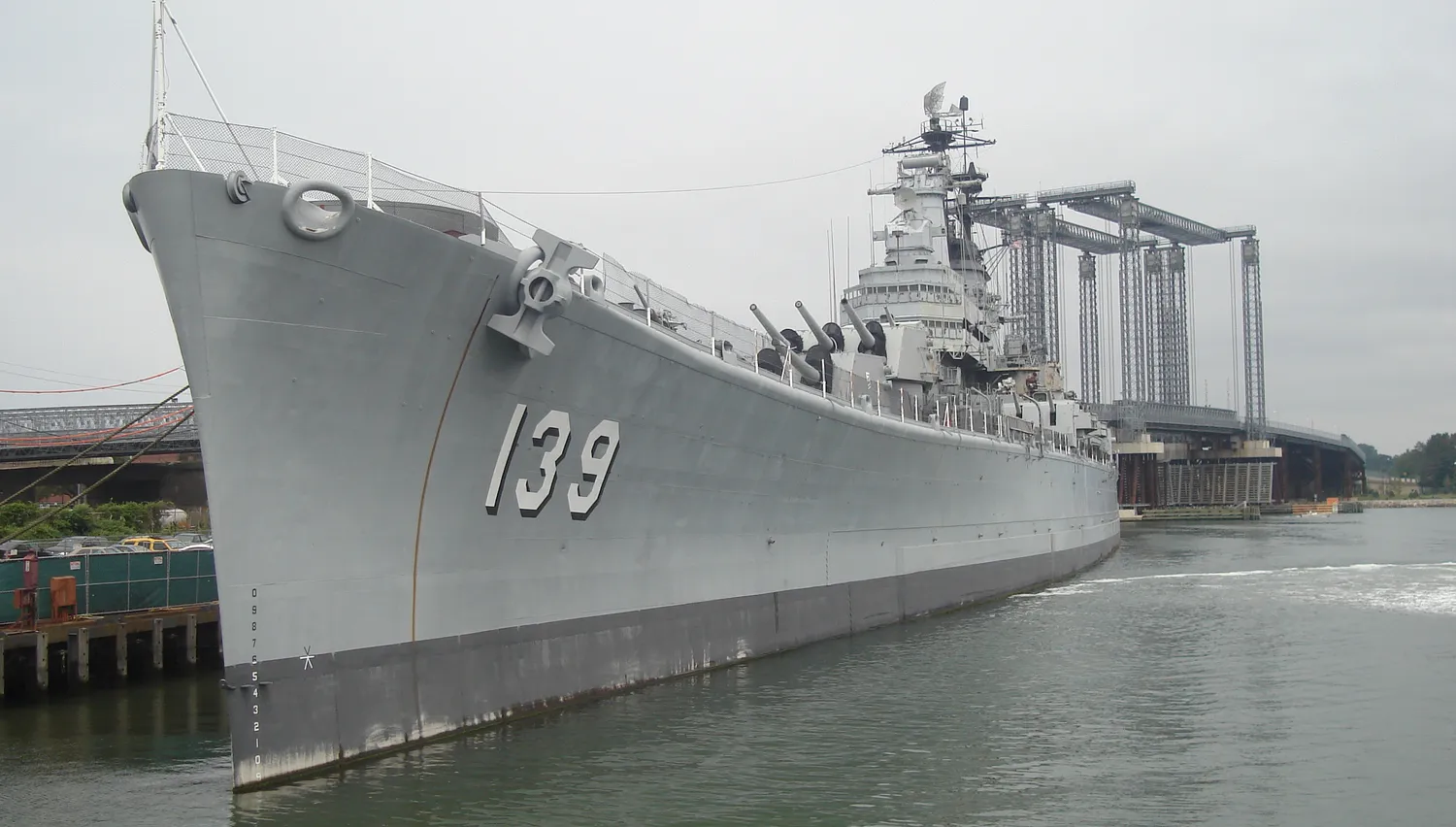
USS Salem museum.jpg Source: Wikimedia Commons - Sswonk
The New England economy in colonial America was shaped by the land and climate. New England is in the northeastern part of the United States. This region had rocky soil and a short growing season. The weather was cold, and the land was not good for growing large crops like wheat or corn. Because of this, New England colonists could not depend on farming to survive.
Instead, the colonists turned to the ocean. The Atlantic Ocean was full of fish, especially cod. Fishing became a main way to make a living. Many families fished for food and to sell to other colonies and even Europe. The fishing industry grew quickly. Fishermen needed strong boats, so shipbuilding became another important job. New England had many forests with tall trees. These trees were perfect for building ships. Towns like Boston and Salem became famous for building fast, sturdy ships.
Whaling was also important. Colonists hunted whales for their oil, which was used for lamps and soap. Whaling ships traveled far from shore, sometimes for months. This work was dangerous, but it brought money to New England towns.
Trade was another key part of the economy. Ships carried fish, whale oil, lumber, and other goods to other colonies, the Caribbean, and Europe. In return, New Englanders bought things they could not make themselves, like sugar, tea, and cloth. Trading helped towns grow and brought people from different places together.
The ocean shaped daily life. Boys learned to fish and sail. Men worked in shipyards and on ships. Women often helped prepare fish or made goods to trade. The economy depended on teamwork and skill. People had to work hard, but they built strong communities.
The land and sea taught the colonists to solve problems and use what they had. By using the resources around them, the people of New England created a busy and successful region. Their work on the ocean helped connect America to the wider world.
Interesting Fact: Some New England ships were so well made that they were famous around the world for their speed and strength.
What region is the passage about?
New EnglandSouthern ColoniesMidwestCalifornia
Why was farming hard in New England?
Rocky soil and cold weatherToo much rainNo riversNo forests
What was caught in the Atlantic Ocean?
FishGoldCornCotton
Why did shipbuilding grow?
Needed boats for fishingTo build housesTo make furnitureFor fun
What was made from whale oil?
Lamps and soapShoesBooksClocks
How did trade help New England?
Helped towns growMade land betterStopped fishingBuilt more farms
New England had rich, easy soil. True or false?
TrueFalse
What is an economy?
How people make and use moneyWeather in New EnglandA type of fishA kind of tree
Perfect For:
👩🏫 Teachers
• Reading comprehension practice
• Auto-graded assessments
• Literacy skill development
👨👩👧👦 Parents
• Reading practice at home
• Comprehension improvement
• Educational reading time
🏠 Homeschoolers
• Reading curriculum support
• Independent reading practice
• Progress monitoring
Reading Features:
📖
Reading Passage
Engaging fiction or nonfiction text
❓
Comprehension Quiz
Auto-graded questions
📊
Instant Feedback
Immediate results and scoring
📄
Printable Version
Download for offline reading
🔊
Read Aloud
Voice-over with word highlighting
Reviews & Ratings
No reviews yet. Be the first to share your experience!
Related Content
Native American Tribes Across America
This engaging history reading passage introduces students to Native American tribes across America, focusing on their da...
D2.HIS.1.3-5D2.HIS.2.3-5RI.4.1RI.4.2
Teepees: Homes on the Great Plains
This engaging history reading passage introduces students to teepees, the unique homes of Native American tribes on the ...
D2.HIS.2.3-5D2.HIS.14.3-5RI.4.1RI.4.2RI.4.4
Traditional Native American Clothing
This engaging history passage explores traditional Native American clothing and how it reflected the environment, values...
D2.HIS.2.3-5D2.HIS.3.3-5RI.4.3RI.4.4
The Iroquois Confederacy: A System of Peace
This engaging U.S. History reading passage introduces students to the Iroquois Confederacy, a powerful alliance of Nativ...
D2.HIS.2.3-5D2.HIS.3.3-5RI.4.3RI.4.4
The Cherokee Nation: History and Culture
This reading passage explores the rich history and culture of the Cherokee Nation, one of the largest Native American tr...
D2.HIS.2.3-5D2.HIS.14.3-5RI.4.3RI.4.4RI.4.10
The Sioux: Warriors and Tribal Leaders
This history reading passage explores the Sioux Nation, focusing on their roles as warriors and tribal leaders. Students...
D2.HIS.1.3-5D2.HIS.2.3-5RI.4.1RI.4.3
Native American Respect for Nature
This engaging history reading passage explores Native American respect for nature, emphasizing the close relationship be...
D2.HIS.2.3-5D2.HIS.3.3-5RI.4.3RI.4.4
Jamestown: The First Permanent English Colony
This engaging history passage explores the founding of Jamestown, the first permanent English colony in America. Aligned...
D2.HIS.1.3-5D2.HIS.2.3-5RI.4.3RI.4.4
Pocahontas and the Powhatan People
This engaging reading passage explores the life of Pocahontas and the Powhatan people and their important role in early ...
D2.HIS.1.3-5D2.HIS.2.3-5RI.4.1RI.4.3
Colonial Children: School and Chores
This reading passage explores the daily lives of colonial children, focusing on their experiences at school and their ma...
D2.HIS.2.3-5D2.HIS.3.3-5RI.4.1RI.4.2RI.4.4
Colonial Clothing and Homemade Goods
This engaging U.S. history passage explores the daily life of early American colonists with a focus on colonial clothing...
D2.HIS.2.3-5RI.4.3RI.4.4
Colonial Jobs: Blacksmiths, Bakers, and Craftsmen
This engaging history reading passage explores the vital roles of blacksmiths, bakers, and craftsmen in colonial America...
D2.HIS.2.3-5D2.HIS.3.3-5RI.4.3RI.4.4
Colonial Towns and Village Life
This engaging history reading passage explores the daily life, work, and unity found in colonial towns and villages. Ali...
D2.HIS.1.3-5D2.HIS.2.3-5RI.4.3RI.4.4
Colonial Trade with England and Africa
This history reading passage explores colonial trade between the American colonies, England, and Africa, focusing on the...
D2.HIS.2.3-5D2.HIS.14.3-5RI.4.3RI.4.4
Benjamin Franklin: Printer, Inventor, and Leader
This history reading passage explores the life and achievements of Benjamin Franklin, one of America's most important ea...
D2.HIS.2.3-5D2.HIS.3.3-5RI.4.1RI.4.3
George Washington Leads the Army
This engaging history reading passage explores how George Washington bravely led the Continental Army during the America...
D2.HIS.1.3-5D2.HIS.2.3-5RI.4.3RI.4.4
Women and Children During the Revolutionary War
This reading passage explores the important roles women and children played during the Revolutionary War. Students will ...
D2.HIS.2.3-5RI.4.3RI.5.3
African Americans Fight for Freedom
This educational passage explores the brave and inspiring story of how African Americans fought for freedom in the Unite...
D2.HIS.2.3-5D2.HIS.3.3-5RI.4.3RI.4.4
The Battle of Yorktown Ends War
This engaging U.S. history reading passage explores the Battle of Yorktown, a key event that ended the American Revoluti...
D2.HIS.1.3-5D2.HIS.2.3-5RI.4.1RI.4.3
Loyalists vs. Patriots: Divided Families
This engaging U.S. history reading passage explores the division between Loyalists and Patriots during the American Revo...