This learning resource is available in interactive and printable formats. The interactive worksheet can be played online and assigned to students. The Printable PDF version can be downloaded and printed for completion by hand.
This reading passage examines the Harlem Renaissance, a major African American cultural movement that transformed art, music, and literature in the early 20th century. Students will analyze the causes, motivations, and consequences of the Harlem Renaissance, using evidence and multiple perspectives. The passage also integrates primary source material and highlights the complex challenges and achievements of the time. Activities include a multiple-choice quiz, writing prompts, a timeline, and a graphic organizer for deeper understanding. This resource is aligned with C3 Framework and Common Core standards (D2.His.2.3-5, RI.4.3, W.4.2). It includes a Spanish translation and read aloud audio, making it accessible for diverse learners. Key vocabulary terms are highlighted for academic development. This passage is ideal for exploring African American history, understanding social change, and practicing analytical reading skills.
CONTENT PREVIEW
Expand content preview
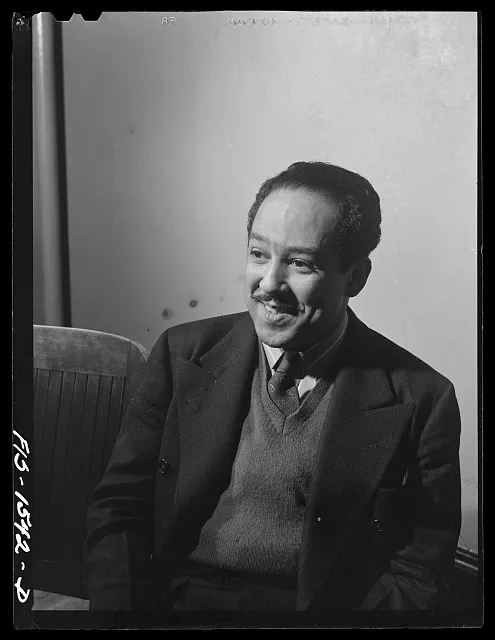
Mr. Langston Hughes, poet and playwright. Chicago, Illinois Source: Library of Congress - Delano, Jack, 1914-1997
The Harlem Renaissance was a remarkable artistic movement that began in the 1920s in Harlem, a neighborhood in New York City. This era was marked by a surge of creativity from African American writers, musicians, and artists who expressed their unique experiences and perspectives through their work. The movement emerged as a response to the challenges faced by Black Americans, including segregation, discrimination, and limited opportunities in American society.
During this period, thousands of African Americans moved from the rural South to cities in the North, a migration known as the Great Migration. They sought better jobs, education, and freedom from the harsh realities of the Jim Crow South. Harlem became a major center for Black culture, attracting talented individuals who wanted to share their stories and ideas. This new environment allowed artists to explore themes of identity, pride, and the struggle for equality.
Writers like Langston Hughes and Zora Neale Hurston became prominent voices of the Harlem Renaissance. Hughes wrote powerful poetry that celebrated Black life and used jazz rhythms, while Hurston’s novels explored folklore and the strength of Black communities. Musicians such as Duke Ellington and Louis Armstrong helped jazz and blues music gain national popularity. Their performances inspired audiences of all backgrounds and brought African American music into mainstream American culture.
Despite these achievements, there were ongoing challenges. Many artists still faced discrimination and were not always recognized by the broader public. However, the Harlem Renaissance helped change perceptions of African American culture and demonstrated the value of diverse voices in the arts. The movement also inspired future generations to continue the fight for equality and justice.
The Harlem Renaissance was not only about the arts; it was a time of intellectual and social growth. Black thinkers and activists debated important issues, published influential essays, and formed organizations to promote civil rights. The movement’s legacy can still be seen in today’s literature, music, and social activism.
In summary, the Harlem Renaissance was a turning point in U.S. history. It provided African Americans with a platform to express themselves and challenge stereotypes. The creativity and resilience shown during this time continue to influence American culture and inspire people around the world.
Interesting Fact: The Harlem Renaissance introduced the word “jazz” to a national audience, making jazz a symbol of modern American culture.
Where did the Harlem Renaissance start?
Harlem, New York CityChicagoLos AngelesAtlanta
Who was a famous writer of this era?
Langston HughesMartin Luther King Jr.Abraham LincolnFrederick Douglass
What type of music became popular?
JazzRockHip-hopClassical
Why did many African Americans move North?
For better opportunitiesTo escape cold weatherTo find goldFor adventure
How did the Harlem Renaissance influence society?
It inspired cultural prideIt started the Civil WarIt ended all discriminationIt stopped all migration
Which challenge did artists face?
DiscriminationToo much moneyNo audienceBoredom
The Harlem Renaissance ended in the 1930s.
TrueFalse
What does 'renaissance' mean?
A time of new growthA type of danceA legal documentA musical instrument
Perfect For:
👩🏫 Teachers
• Reading comprehension practice
• Auto-graded assessments
• Literacy skill development
👨👩👧👦 Parents
• Reading practice at home
• Comprehension improvement
• Educational reading time
🏠 Homeschoolers
• Reading curriculum support
• Independent reading practice
• Progress monitoring
Reading Features:
📖
Reading Passage
Engaging fiction or nonfiction text
❓
Comprehension Quiz
Auto-graded questions
📊
Instant Feedback
Immediate results and scoring
📄
Printable Version
Download for offline reading
🔊
Read Aloud
Voice-over with word highlighting
Reviews & Ratings
No reviews yet. Be the first to share your experience!
Related Content
Native American Tribes Across America
This engaging history reading passage introduces students to Native American tribes across America, focusing on their da...
D2.HIS.1.3-5D2.HIS.2.3-5RI.4.1RI.4.2
Teepees: Homes on the Great Plains
This engaging history reading passage introduces students to teepees, the unique homes of Native American tribes on the ...
D2.HIS.2.3-5D2.HIS.14.3-5RI.4.1RI.4.2RI.4.4
Traditional Native American Clothing
This engaging history passage explores traditional Native American clothing and how it reflected the environment, values...
D2.HIS.2.3-5D2.HIS.3.3-5RI.4.3RI.4.4
The Iroquois Confederacy: A System of Peace
This engaging U.S. History reading passage introduces students to the Iroquois Confederacy, a powerful alliance of Nativ...
D2.HIS.2.3-5D2.HIS.3.3-5RI.4.3RI.4.4
The Cherokee Nation: History and Culture
This reading passage explores the rich history and culture of the Cherokee Nation, one of the largest Native American tr...
D2.HIS.2.3-5D2.HIS.14.3-5RI.4.3RI.4.4RI.4.10
The Sioux: Warriors and Tribal Leaders
This history reading passage explores the Sioux Nation, focusing on their roles as warriors and tribal leaders. Students...
D2.HIS.1.3-5D2.HIS.2.3-5RI.4.1RI.4.3
Native American Respect for Nature
This engaging history reading passage explores Native American respect for nature, emphasizing the close relationship be...
D2.HIS.2.3-5D2.HIS.3.3-5RI.4.3RI.4.4
Jamestown: The First Permanent English Colony
This engaging history passage explores the founding of Jamestown, the first permanent English colony in America. Aligned...
D2.HIS.1.3-5D2.HIS.2.3-5RI.4.3RI.4.4
Pocahontas and the Powhatan People
This engaging reading passage explores the life of Pocahontas and the Powhatan people and their important role in early ...
D2.HIS.1.3-5D2.HIS.2.3-5RI.4.1RI.4.3
Colonial Children: School and Chores
This reading passage explores the daily lives of colonial children, focusing on their experiences at school and their ma...
D2.HIS.2.3-5D2.HIS.3.3-5RI.4.1RI.4.2RI.4.4
Colonial Clothing and Homemade Goods
This engaging U.S. history passage explores the daily life of early American colonists with a focus on colonial clothing...
D2.HIS.2.3-5RI.4.3RI.4.4
Colonial Jobs: Blacksmiths, Bakers, and Craftsmen
This engaging history reading passage explores the vital roles of blacksmiths, bakers, and craftsmen in colonial America...
D2.HIS.2.3-5D2.HIS.3.3-5RI.4.3RI.4.4
Colonial Towns and Village Life
This engaging history reading passage explores the daily life, work, and unity found in colonial towns and villages. Ali...
D2.HIS.1.3-5D2.HIS.2.3-5RI.4.3RI.4.4
Colonial Trade with England and Africa
This history reading passage explores colonial trade between the American colonies, England, and Africa, focusing on the...
D2.HIS.2.3-5D2.HIS.14.3-5RI.4.3RI.4.4
Benjamin Franklin: Printer, Inventor, and Leader
This history reading passage explores the life and achievements of Benjamin Franklin, one of America's most important ea...
D2.HIS.2.3-5D2.HIS.3.3-5RI.4.1RI.4.3
George Washington Leads the Army
This engaging history reading passage explores how George Washington bravely led the Continental Army during the America...
D2.HIS.1.3-5D2.HIS.2.3-5RI.4.3RI.4.4
Women and Children During the Revolutionary War
This reading passage explores the important roles women and children played during the Revolutionary War. Students will ...
D2.HIS.2.3-5RI.4.3RI.5.3
African Americans Fight for Freedom
This educational passage explores the brave and inspiring story of how African Americans fought for freedom in the Unite...
D2.HIS.2.3-5D2.HIS.3.3-5RI.4.3RI.4.4
The Battle of Yorktown Ends War
This engaging U.S. history reading passage explores the Battle of Yorktown, a key event that ended the American Revoluti...
D2.HIS.1.3-5D2.HIS.2.3-5RI.4.1RI.4.3
Loyalists vs. Patriots: Divided Families
This engaging U.S. history reading passage explores the division between Loyalists and Patriots during the American Revo...