This learning resource is available in interactive and printable formats. The interactive worksheet can be played online and assigned to students. The Printable PDF version can be downloaded and printed for completion by hand.
This informative U.S. history reading passage examines the Homestead Act of 1862, a pivotal law that transformed the American West. Students will analyze the causes, motivations, and consequences of this act while considering multiple perspectives, including settlers, government leaders, and Native Americans. The passage features a problem/solution structure, integrates a primary source excerpt, and explicitly teaches key academic vocabulary. Activities include a multiple-choice quiz, explanatory writing prompts, and a graphic organizer to deepen historical thinking. A detailed glossary and a timeline help clarify events. The passage is aligned to C3 Framework and Common Core standards for history and informational text. Read aloud audio and a full Spanish translation support accessibility for all learners. This resource is ideal for students seeking to understand the complexity and impact of the Homestead Act and westward expansion.
CONTENT PREVIEW
Expand content preview
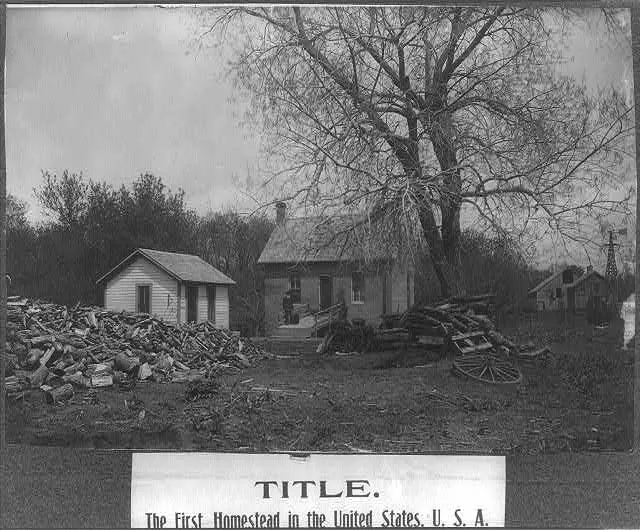
The first homestead in the United States, U.S.A. Source: Library of Congress
The Homestead Act of 1862 was a significant law passed by the United States Congress during the Civil War. This law allowed American citizens, including immigrants who intended to become citizens, to claim 160 acres of public land in the western territories. To receive the land, settlers had to build a home, improve the land by farming it, and live there for at least five years. After meeting these requirements, they could own the land for a small fee. The act was designed to encourage the settlement and development of the vast areas west of the Mississippi River.
Before the Homestead Act, acquiring land was often expensive or required connections. Many families, especially those with limited resources, found it difficult to buy land or start new lives. The Homestead Act offered a new opportunity for these families to own property, gain independence, and improve their economic situation. However, the process was not easy. The land was often far from established towns, and settlers had to face harsh weather, isolation, and limited supplies.
The act played a crucial role in the westward expansion of the United States. By offering a land grant, or free land from the government, the nation hoped to quickly populate and cultivate the Great Plains and other western regions. As thousands of people moved west, new towns and communities emerged. Railroads soon followed, connecting these settlements to the rest of the country. This transformation helped the United States grow both in size and economic power.
Despite its benefits, the Homestead Act also led to conflicts and challenges. Much of the land given away was already inhabited by Native American tribes. As settlers claimed their homesteads, many Native Americans were forced off their traditional lands, leading to loss of culture and violent confrontations. In addition, not all land was equally fertile, and some families struggled to farm successfully. The promise of a better life was sometimes hard to achieve.
Over the years, more than 1.6 million claims were made under the Homestead Act, and about 270 million acres—nearly 10% of the U.S.—were given to private citizens. The Act remained in effect for many decades, shaping the landscape and population of the American West. The policy reflected both the hopes of individuals seeking a new start and the government's desire to control and develop western land.
Even though the Homestead Act ended in the 20th century, its legacy continues. The law changed the way Americans thought about land, freedom, and the possibilities of moving westward. Today, historians study the Homestead Act to understand both the opportunity and the cost of America's expansion.
Interesting Fact: The last claim made under the Homestead Act was in 1988, in Alaska, more than 125 years after the law was first passed.
When was the Homestead Act passed?
1862184919011787
How many acres could settlers claim?
160 acres40 acres1,000 acres320 acres
What did settlers have to do to own the land?
Farm and live for 5 yearsPay a large feeBuild a schoolTravel by railroad
Why was the Homestead Act important for families?
It gave land to start a new lifeIt created new lawsIt stopped farmingIt ended the Civil War
What was one challenge settlers faced?
Harsh weather and isolationToo many suppliesEasy farmingFree houses
What effect did the Act have on Native Americans?
Lost land and cultureGained new farmsMoved eastHelped railroads
The last Homestead claim was in 1988. True or false?
TrueFalse
What does 'land grant' mean in the passage?
Land given by governmentLand taken from familiesLand sold to railroadsLand for Native Americans
Perfect For:
👩🏫 Teachers
• Reading comprehension practice
• Auto-graded assessments
• Literacy skill development
👨👩👧👦 Parents
• Reading practice at home
• Comprehension improvement
• Educational reading time
🏠 Homeschoolers
• Reading curriculum support
• Independent reading practice
• Progress monitoring
Reading Features:
📖
Reading Passage
Engaging fiction or nonfiction text
❓
Comprehension Quiz
Auto-graded questions
📊
Instant Feedback
Immediate results and scoring
📄
Printable Version
Download for offline reading
🔊
Read Aloud
Voice-over with word highlighting
Reviews & Ratings
No reviews yet. Be the first to share your experience!
Related Content
Native American Tribes Across America
This engaging history reading passage introduces students to Native American tribes across America, focusing on their da...
D2.HIS.1.3-5D2.HIS.2.3-5RI.4.1RI.4.2
Teepees: Homes on the Great Plains
This engaging history reading passage introduces students to teepees, the unique homes of Native American tribes on the ...
D2.HIS.2.3-5D2.HIS.14.3-5RI.4.1RI.4.2RI.4.4
Traditional Native American Clothing
This engaging history passage explores traditional Native American clothing and how it reflected the environment, values...
D2.HIS.2.3-5D2.HIS.3.3-5RI.4.3RI.4.4
The Iroquois Confederacy: A System of Peace
This engaging U.S. History reading passage introduces students to the Iroquois Confederacy, a powerful alliance of Nativ...
D2.HIS.2.3-5D2.HIS.3.3-5RI.4.3RI.4.4
The Cherokee Nation: History and Culture
This reading passage explores the rich history and culture of the Cherokee Nation, one of the largest Native American tr...
D2.HIS.2.3-5D2.HIS.14.3-5RI.4.3RI.4.4RI.4.10
The Sioux: Warriors and Tribal Leaders
This history reading passage explores the Sioux Nation, focusing on their roles as warriors and tribal leaders. Students...
D2.HIS.1.3-5D2.HIS.2.3-5RI.4.1RI.4.3
Native American Respect for Nature
This engaging history reading passage explores Native American respect for nature, emphasizing the close relationship be...
D2.HIS.2.3-5D2.HIS.3.3-5RI.4.3RI.4.4
Jamestown: The First Permanent English Colony
This engaging history passage explores the founding of Jamestown, the first permanent English colony in America. Aligned...
D2.HIS.1.3-5D2.HIS.2.3-5RI.4.3RI.4.4
Pocahontas and the Powhatan People
This engaging reading passage explores the life of Pocahontas and the Powhatan people and their important role in early ...
D2.HIS.1.3-5D2.HIS.2.3-5RI.4.1RI.4.3
Colonial Children: School and Chores
This reading passage explores the daily lives of colonial children, focusing on their experiences at school and their ma...
D2.HIS.2.3-5D2.HIS.3.3-5RI.4.1RI.4.2RI.4.4
Colonial Clothing and Homemade Goods
This engaging U.S. history passage explores the daily life of early American colonists with a focus on colonial clothing...
D2.HIS.2.3-5RI.4.3RI.4.4
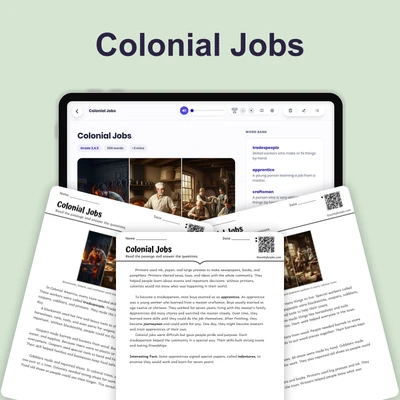
Colonial Jobs: Blacksmiths, Bakers, and Craftsmen
This engaging history reading passage explores the vital roles of blacksmiths, bakers, and craftsmen in colonial America...
D2.HIS.2.3-5D2.HIS.3.3-5RI.4.3RI.4.4
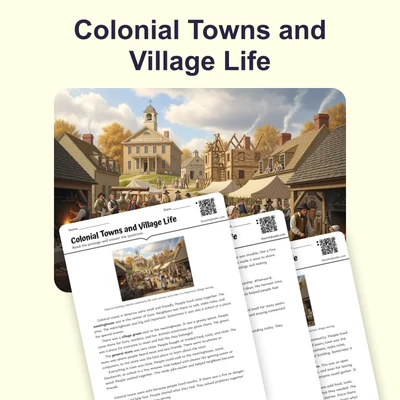
Colonial Towns and Village Life
This engaging history reading passage explores the daily life, work, and unity found in colonial towns and villages. Ali...
D2.HIS.1.3-5D2.HIS.2.3-5RI.4.3RI.4.4
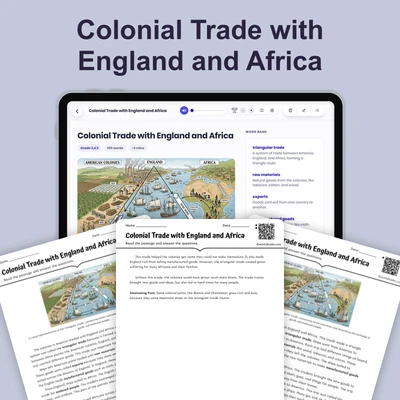
Colonial Trade with England and Africa
This history reading passage explores colonial trade between the American colonies, England, and Africa, focusing on the...
D2.HIS.2.3-5D2.HIS.14.3-5RI.4.3RI.4.4
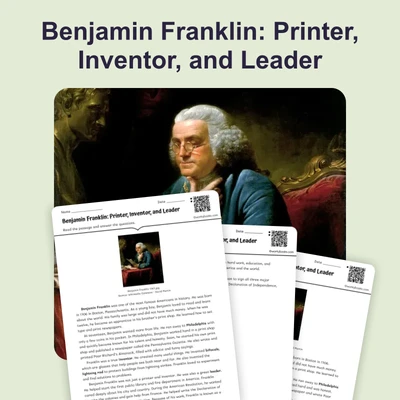
Benjamin Franklin: Printer, Inventor, and Leader
This history reading passage explores the life and achievements of Benjamin Franklin, one of America's most important ea...
D2.HIS.2.3-5D2.HIS.3.3-5RI.4.1RI.4.3
George Washington Leads the Army
This engaging history reading passage explores how George Washington bravely led the Continental Army during the America...
D2.HIS.1.3-5D2.HIS.2.3-5RI.4.3RI.4.4
Women and Children During the Revolutionary War
This reading passage explores the important roles women and children played during the Revolutionary War. Students will ...
D2.HIS.2.3-5RI.4.3RI.5.3
African Americans Fight for Freedom
This educational passage explores the brave and inspiring story of how African Americans fought for freedom in the Unite...
D2.HIS.2.3-5D2.HIS.3.3-5RI.4.3RI.4.4
The Battle of Yorktown Ends War
This engaging U.S. history reading passage explores the Battle of Yorktown, a key event that ended the American Revoluti...
D2.HIS.1.3-5D2.HIS.2.3-5RI.4.1RI.4.3
Loyalists vs. Patriots: Divided Families
This engaging U.S. history reading passage explores the division between Loyalists and Patriots during the American Revo...