This learning resource is available in interactive and printable formats. The interactive worksheet can be played online and assigned to students. The Printable PDF version can be downloaded and printed for completion by hand.
This reading passage explores the 1892 Homestead Strike at Carnegie Steel, a key moment in U.S. labor history. Students will learn about the motivations of workers, industrial leaders like Andrew Carnegie and Henry Clay Frick, and the broader impact of industrialization on American society. The passage uses a compare/contrast structure to present multiple perspectives, incorporates primary sources, and highlights key academic vocabulary. Aligned to C3 standards D2.His.2.3-5, D2.His.3.3-5, and Common Core RI.4.3, RI.4.4, W.4.2, this passage also includes a read aloud audio and a full Spanish translation for accessibility. Activities include a timeline, comprehension quiz, writing prompts, glossary, and a graphic organizer to deepen understanding of labor relations and the complexities of industrial conflict.
CONTENT PREVIEW
Expand content preview
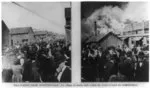
Homestead Steel Strike - two scenes from "Pottersville", the village of shacks built within the works to house the strikebreakers Source: Library of Congress
The Homestead Strike of 1892 was a conflict between steelworkers and management at the Carnegie Steel Company in Homestead, Pennsylvania. The strike began in June 1892 when workers protested against wage cuts and harsh working conditions. This event became one of the most significant labor disputes in U.S. history and revealed the intense struggle between labor and management during the Progressive Era.
Andrew Carnegie owned the steel plant but left daily operations to his manager, Henry Clay Frick. Frick wanted to reduce costs by lowering workers’ wages. When the union—called the Amalgamated Association of Iron and Steel Workers—refused the wage cuts, Frick locked the workers out of the plant. This lockout led to a full-scale strike, as workers demanded fair pay and safer conditions.
To break the strike, Frick hired hundreds of armed Pinkerton agents, a private security force. On July 6, 1892, a violent battle erupted when the Pinkertons tried to enter the plant by river barge. Both sides exchanged gunfire, resulting in several deaths and many injuries. The National Guard of Pennsylvania eventually intervened, ending the direct fighting but not the workers’ protest.
The Homestead Strike highlighted the growing power of large corporations in the United States. Carnegie Steel, like other big businesses, used its resources to influence outcomes in its favor. The government and private security were often called upon to support management, showing the challenges unions faced in their efforts to protect workers’ rights. Many Americans began to question whether the balance of power was fair.
The defeat of the strike weakened unions in the steel industry for many years. Workers who participated were often blacklisted, meaning they could not find work elsewhere. The event also affected public opinion. Some people blamed the violence on labor, while others criticized management for its harsh tactics. As a result, the strike became a symbol of the difficulties in achieving fair labor practices during the rapid industrial growth of the late 1800s.
Although the Homestead Strike ended in defeat for the workers, it had a lasting impact. It raised awareness about the need for better working conditions, the right to organize, and the importance of negotiation between labor and management. These struggles would continue and eventually lead to reforms in American labor law.
Interesting Fact: The Pinkerton detective agency became so infamous after the Homestead Strike that several states later banned private armies from being used in labor disputes.
Where did the Homestead Strike happen?
PennsylvaniaNew YorkIllinoisOhio
Who managed Carnegie Steel during the strike?
Henry Clay FrickAndrew CarnegieJohn D. RockefellerSamuel Gompers
What year did the strike begin?
1892186519011886
Why did workers go on strike?
Wage cutsLonger breaksMore vacationsShorter hours
What was a major effect of the strike?
Weakened unionsMore jobsHigher payNew factories
What did Pinkerton agents do?
Tried to break the strikeManaged the plantWorked as steelworkersPassed new laws
The strike ended in victory for workers. True or false?
TrueFalse
What does 'lockout' mean?
Workers are kept outWorkers get a bonusManagers go on strikePlant closes forever
Perfect For:
👩🏫 Teachers
• Reading comprehension practice
• Auto-graded assessments
• Literacy skill development
👨👩👧👦 Parents
• Reading practice at home
• Comprehension improvement
• Educational reading time
🏠 Homeschoolers
• Reading curriculum support
• Independent reading practice
• Progress monitoring
Reading Features:
📖
Reading Passage
Engaging fiction or nonfiction text
❓
Comprehension Quiz
Auto-graded questions
📊
Instant Feedback
Immediate results and scoring
📄
Printable Version
Download for offline reading
🔊
Read Aloud
Voice-over with word highlighting
Reviews & Ratings
No reviews yet. Be the first to share your experience!
Related Content
Native American Tribes Across America
This engaging history reading passage introduces students to Native American tribes across America, focusing on their da...
D2.HIS.1.3-5D2.HIS.2.3-5RI.4.1RI.4.2
Teepees: Homes on the Great Plains
This engaging history reading passage introduces students to teepees, the unique homes of Native American tribes on the ...
D2.HIS.2.3-5D2.HIS.14.3-5RI.4.1RI.4.2RI.4.4
Traditional Native American Clothing
This engaging history passage explores traditional Native American clothing and how it reflected the environment, values...
D2.HIS.2.3-5D2.HIS.3.3-5RI.4.3RI.4.4
The Iroquois Confederacy: A System of Peace
This engaging U.S. History reading passage introduces students to the Iroquois Confederacy, a powerful alliance of Nativ...
D2.HIS.2.3-5D2.HIS.3.3-5RI.4.3RI.4.4
The Cherokee Nation: History and Culture
This reading passage explores the rich history and culture of the Cherokee Nation, one of the largest Native American tr...
D2.HIS.2.3-5D2.HIS.14.3-5RI.4.3RI.4.4RI.4.10
The Sioux: Warriors and Tribal Leaders
This history reading passage explores the Sioux Nation, focusing on their roles as warriors and tribal leaders. Students...
D2.HIS.1.3-5D2.HIS.2.3-5RI.4.1RI.4.3
Native American Respect for Nature
This engaging history reading passage explores Native American respect for nature, emphasizing the close relationship be...
D2.HIS.2.3-5D2.HIS.3.3-5RI.4.3RI.4.4
Jamestown: The First Permanent English Colony
This engaging history passage explores the founding of Jamestown, the first permanent English colony in America. Aligned...
D2.HIS.1.3-5D2.HIS.2.3-5RI.4.3RI.4.4
Pocahontas and the Powhatan People
This engaging reading passage explores the life of Pocahontas and the Powhatan people and their important role in early ...
D2.HIS.1.3-5D2.HIS.2.3-5RI.4.1RI.4.3
Colonial Children: School and Chores
This reading passage explores the daily lives of colonial children, focusing on their experiences at school and their ma...
D2.HIS.2.3-5D2.HIS.3.3-5RI.4.1RI.4.2RI.4.4
Colonial Clothing and Homemade Goods
This engaging U.S. history passage explores the daily life of early American colonists with a focus on colonial clothing...
D2.HIS.2.3-5RI.4.3RI.4.4
Colonial Jobs: Blacksmiths, Bakers, and Craftsmen
This engaging history reading passage explores the vital roles of blacksmiths, bakers, and craftsmen in colonial America...
D2.HIS.2.3-5D2.HIS.3.3-5RI.4.3RI.4.4
Colonial Towns and Village Life
This engaging history reading passage explores the daily life, work, and unity found in colonial towns and villages. Ali...
D2.HIS.1.3-5D2.HIS.2.3-5RI.4.3RI.4.4
Colonial Trade with England and Africa
This history reading passage explores colonial trade between the American colonies, England, and Africa, focusing on the...
D2.HIS.2.3-5D2.HIS.14.3-5RI.4.3RI.4.4
Benjamin Franklin: Printer, Inventor, and Leader
This history reading passage explores the life and achievements of Benjamin Franklin, one of America's most important ea...
D2.HIS.2.3-5D2.HIS.3.3-5RI.4.1RI.4.3
George Washington Leads the Army
This engaging history reading passage explores how George Washington bravely led the Continental Army during the America...
D2.HIS.1.3-5D2.HIS.2.3-5RI.4.3RI.4.4
Women and Children During the Revolutionary War
This reading passage explores the important roles women and children played during the Revolutionary War. Students will ...
D2.HIS.2.3-5RI.4.3RI.5.3
African Americans Fight for Freedom
This educational passage explores the brave and inspiring story of how African Americans fought for freedom in the Unite...
D2.HIS.2.3-5D2.HIS.3.3-5RI.4.3RI.4.4
The Battle of Yorktown Ends War
This engaging U.S. history reading passage explores the Battle of Yorktown, a key event that ended the American Revoluti...
D2.HIS.1.3-5D2.HIS.2.3-5RI.4.1RI.4.3
Loyalists vs. Patriots: Divided Families
This engaging U.S. history reading passage explores the division between Loyalists and Patriots during the American Revo...