How Feedback Loops Shape Earth
Interactive passage with audio narration, comprehension questions, and printable PDF.
By completing this purchase you agree to our Terms of Use and Privacy Policy. Your subscription renews automatically until you cancel. You can cancel anytime from your account settings. All sales are final and non-refundable. Digital content is available for download in your account immediately upon purchase.
What's included
How Feedback Loops Shape Earth preview and details
About this printable How Feedback Loops Shape Earth science reading passage, NGSS-aligned (Grades 6-8)
Sample passage and quiz from How Feedback Loops Shape Earth
Reading passage and comprehension quiz preview
How Feedback Loops Affect Earth
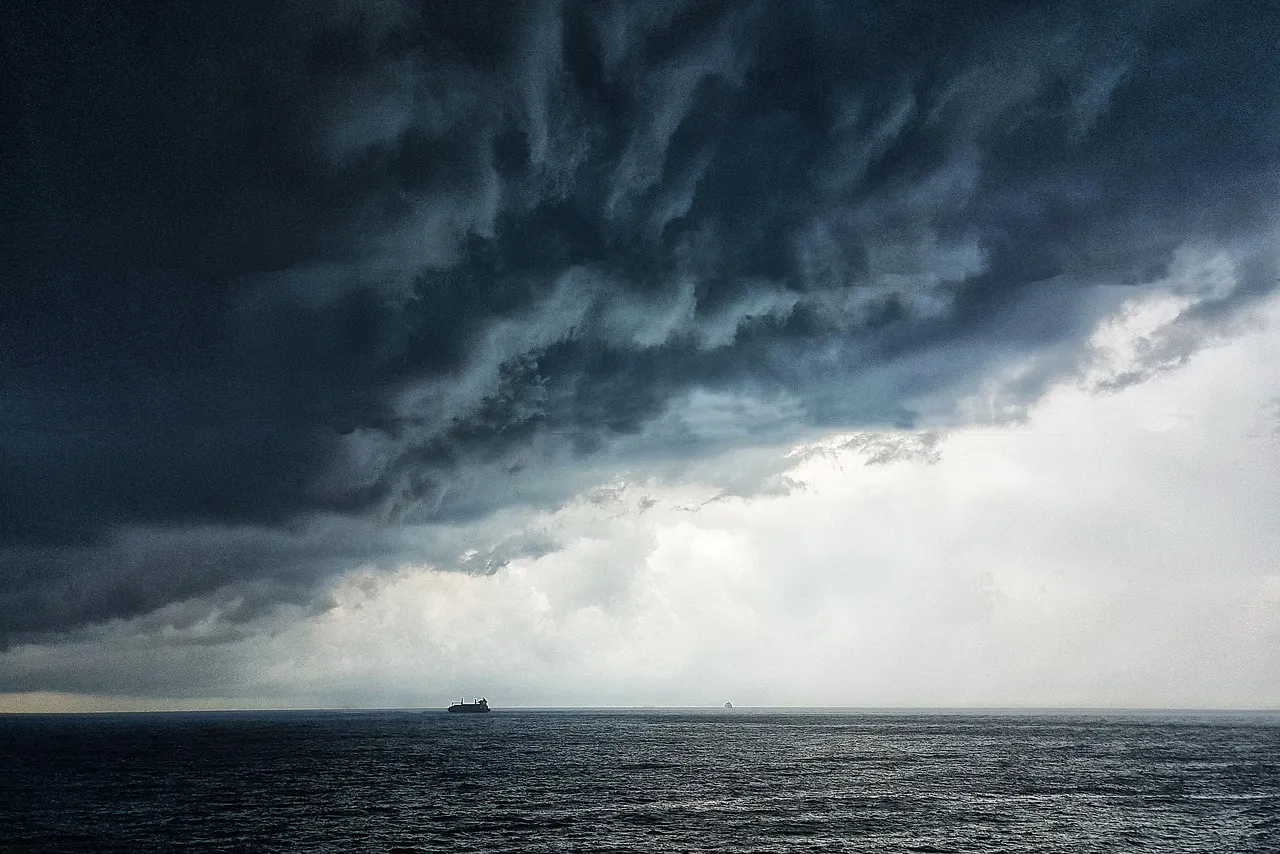
"Storm clouds over the ocean, illustrating Earth's complex atmospheric feedback systems." Image by dexmac / Pixabay.
A feedback loop is a process where the output of a system affects its own input. In Earth's systems, feedback loops help control climate, weather, and other natural processes. Understanding feedback loops helps scientists predict how Earth responds to changes. There are two main types of feedback loops: positive and negative.
A negative feedback loop works to stabilize a system by reducing or reversing changes. When something changes in one direction, the feedback loop pushes it back toward balance. The water cycle provides a clear example of negative feedback. When ocean water warms, more water evaporates into the atmosphere. This increased water vapor forms more clouds. These clouds reflect sunlight back to space, which cools the surface below. The cooling reduces evaporation, bringing the system back toward balance. This self-regulating process prevents extreme temperature changes.
A positive feedback loop amplifies or increases changes in a system. Instead of creating balance, positive feedback makes changes grow larger. The ice-albedo feedback demonstrates this clearly. Albedo measures how much sunlight a surface reflects. Ice and snow have high albedo, meaning they reflect most sunlight back to space. When temperatures rise slightly, some ice melts. The darker ocean or land underneath has low albedo and absorbs more sunlight. This absorption causes more warming, which melts more ice. The cycle continues, with each step making the warming stronger.
Scientists study feedback loops to understand climate change. The ice-albedo feedback loop currently affects Arctic regions. As Arctic ice melts, the darker ocean absorbs more heat. This process speeds up warming in polar areas faster than other parts of Earth. Measurements show Arctic temperatures rising twice as fast as global averages. This demonstrates how positive feedback loops can create rapid environmental changes.
Both types of feedback loops operate simultaneously in Earth's systems. Negative feedback loops, like the water cycle, help maintain stability. Positive feedback loops, like ice-albedo feedback, can drive rapid change. The balance between these competing processes determines how Earth's climate responds to disturbances. Climate scientists use computer models to track multiple feedback loops and predict future conditions.
Understanding feedback loops helps explain why small changes can have large effects. A small increase in temperature might trigger positive feedback loops that amplify warming. However, negative feedback loops can limit these changes. The interaction between positive and negative feedbacks creates the complex behavior we observe in Earth's climate system. Recognizing these patterns allows scientists to better predict environmental changes and their impacts.
Interesting Fact: The ice-albedo feedback loop is so powerful that if all Arctic sea ice melted during summer, it would be equivalent to adding 25 years of carbon dioxide emissions to the atmosphere in terms of warming effect.
Comprehension quiz (10 questions)
1. What is a feedback loop?
2. How does a negative feedback loop affect a system?
3. What does albedo measure?
4. In the water cycle example, what happens when ocean water warms?
5. Why does the ice-albedo feedback loop cause warming to increase?
6. According to the passage, how much faster are Arctic temperatures rising compared to global averages?
7. Which of these is an example of a positive feedback loop?
8. What do climate scientists use to track multiple feedback loops?
9. True or False: Positive feedback loops help create balance in Earth's systems.
10. True or False: Both positive and negative feedback loops operate simultaneously in Earth's systems.
Perfect for the way you teach
- Build comprehension skills
- Auto-graded quiz
- Differentiated reading
- Read together at home
- Improve fluency
- Quiet reading time
- Reading curriculum support
- Independent practice
- Track Lexile growth