This learning resource is available in interactive and printable formats. The interactive worksheet can be played online and assigned to students. The Printable PDF version can be downloaded and printed for completion by hand.
This engaging 250-word reading passage introduces fourth-grade students to the concept of fish gills and how they function as respiratory structures. Aligned with NGSS 4-LS1-1 and the Disciplinary Core Idea LS1.A (Structure and Function), the passage explains that fish do not have lungs because they live in water. Instead, they possess gills—internal structures located on the sides of their heads that extract dissolved oxygen from water. Students learn how water flows over the gills, allowing oxygen to pass into the blood while carbon dioxide is released. The passage emphasizes that gills solve the same survival need as lungs but are specially adapted for an aquatic environment. This audio-integrated resource includes a simplified differentiated version for struggling readers, complete Spanish translations of both passages, a comprehensive glossary of key terms, multiple-choice questions testing recall and application, writing activities with suggested answers, and graphic organizers in table format. The content builds foundational understanding of how different animals have different structures that serve similar functions, preparing students for hands-on investigations and deeper discussions about animal adaptations and survival needs in various environments.
CONTENT PREVIEW
Expand content preview
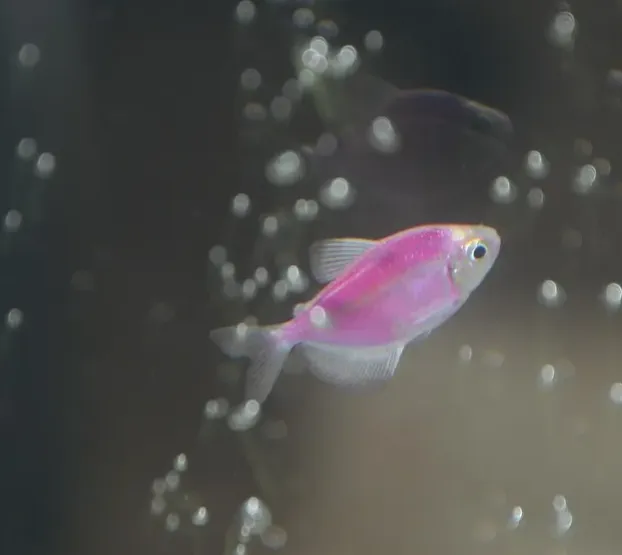
Fish live in water all the time, so they cannot breathe air the way humans do. Instead of lungs, which are organs that take oxygen from air, fish have gills. Gills are special organs that take oxygen from water. This is important because fish need oxygen to survive, just like all animals do.
Gills are located on the sides of a fish's head. They are protected by a hard flap called the gill cover. When a fish opens its mouth, water flows in. The water moves over the gills, which are inside the fish's body. As water passes over the gills, oxygen that is dissolved in the water moves into the fish's blood. At the same time, carbon dioxide, a waste gas from the fish's body, passes out of the blood and into the water. The water then flows out through the gill cover.
Gills and lungs are different structures, but they solve the same problem. Both organs help animals get the oxygen they need to live. Gills work perfectly for fish because they are designed to take oxygen from water instead of air. Without gills, fish could not survive in their underwater home.
Interesting Fact: Some fish can breathe through their skin as well as their gills! Eels and some catfish absorb extra oxygen directly through their skin when they are in water with very little oxygen.
Where are fish gills located?
On the sides of the headInside the fish's stomachOn the fish's tailUnder the fish's belly
What do gills take from water?
Food and nutrientsOxygenCarbon dioxideSalt and minerals
What protects the gills?
Fish scalesThe fish's mouthThe gill coverThe fish's fins
Why do fish need gills?
To swim faster in waterTo get oxygen to surviveTo catch food underwaterTo stay warm in cold water
How are gills and lungs similar?
They both look the sameThey both help animals get oxygenThey both work in waterThey both are on the head
What happens when water flows over gills?
Oxygen enters and carbon dioxide leavesThe fish gets foodThe water becomes cleanerThe fish grows bigger
Fish can breathe air like humans do.
TrueFalse
What does the word 'organs' mean?
Body parts that do important jobsTypes of fish foodDifferent kinds of waterParts of a fish tank
Perfect For:
👩🏫 Teachers
• Reading comprehension practice
• Auto-graded assessments
• Literacy skill development
👨👩👧👦 Parents
• Reading practice at home
• Comprehension improvement
• Educational reading time
🏠 Homeschoolers
• Reading curriculum support
• Independent reading practice
• Progress monitoring
Reading Features:
📖
Reading Passage
Engaging fiction or nonfiction text
❓
Comprehension Quiz
Auto-graded questions
📊
Instant Feedback
Immediate results and scoring
📄
Printable Version
Download for offline reading
🔊
Read Aloud
Voice-over with word highlighting
Reviews & Ratings
No reviews yet. Be the first to share your experience!
Related Content
How Animals See Differently
This engaging 250-word reading passage introduces fourth-grade students to the fascinating world of animal vision and ey...
NGSS 4-LS1-1LS1.D
Animal Internal Structure
This engaging science passage for Grade 4-5 students explores animal internal structure and how organs work together to ...
NGSS 4-LS1-1
What Are Bones Made Of
This engaging 250-word reading passage introduces Grade 4 students to the structure and function of bones, aligned with ...
NGSS 4-LS1-1LS1.A
How Bones Protect Organs
This engaging 250-word reading passage helps Grade 4 students understand how bones protect organs, aligned with NGSS sta...
NGSS 4-LS1-1LS1.A
How Joints Connect Bones
This 250-word reading passage teaches fourth-grade students about joints and their role in the human skeletal system. Al...
NGSS 4-LS1-1LS1.A
How Muscles Move Bones
This comprehensive 250-word reading passage introduces fourth-grade students to the fundamental concept of how muscles a...
NGSS 4-LS1-1
Two Types of Muscles
This 250-word reading passage introduces fourth-grade students to the two main types of muscles in the human body: volun...
NGSS 4-LS1-1
What Are Muscles
This engaging 250-word reading passage introduces fourth-grade students to the essential concept of muscles and how they...
NGSS 4-LS1-1
How Skin Protects Body
This audio-integrated reading passage introduces fourth-grade students to the protective functions of skin, aligned with...
NGSS 4-LS1-1
Layers of the Skin
This engaging 250-word reading passage introduces fourth-grade students to the three layers of skin and their functions....
NGSS 4-LS1-1LS1.A
What Are Plant Structures
This engaging 250-word reading passage introduces fourth-grade students to the fundamental concept of plant structures a...
NGSS 4-LS1-1
Parts of Plant Stems
This engaging 250-word reading passage introduces fourth-grade students to the internal structure and function of plant ...
NGSS 4-LS1-1LS1.A
How Water Moves Inside Plants
This 250-word reading passage introduces fourth-grade students to the concept of water transport in plants, aligned with...
NGSS 4-LS1-1
Parts of a Flower
This comprehensive 250-word reading passage introduces fourth-grade students to the essential parts of a flower and thei...
NGSS 4-LS1-1LS1.A
How Leaves Make Food
This engaging Grade 4 science reading passage explains how leaves make food through photosynthesis. Students discover th...
NGSS 4-LS1-1LS1.A
How Animal Hearts Work
This 250-word audio-integrated reading passage introduces fourth-grade students to the essential function of the heart a...
NGSS 4-LS1-1LS1.A
Animal Skeleton Structure
This 250-word reading passage introduces fourth grade students to animal skeleton structure, aligned with NGSS 4-LS1-1 a...
NGSS 4-LS1-1LS1.A
How Animal Lungs Work
This 250-word reading passage introduces fourth-grade students to how animal lungs work, aligned with NGSS standard 4-LS...
NGSS 4-LS1-1LS1.A
What Is Inside a Seed
This engaging 250-word reading passage helps Grade 4 students understand the internal structure of seeds, aligned with N...