This learning resource is available in interactive and printable formats. The interactive worksheet can be played online and assigned to students. The Printable PDF version can be downloaded and printed for completion by hand.
This passage explores the life and work of Jane Addams, a pioneering social worker and reformer who co-founded Hull House in Chicago. Students will analyze the motivations, challenges, and impacts of Addams’ work during the Progressive Era, considering multiple perspectives and the complexities of social reform. The passage models historical reasoning, integrates a primary source quote, and includes a glossary of key academic vocabulary. Activities include a reading comprehension quiz, writing prompts, and a graphic organizer, all aligned to C3 Framework and Common Core ELA standards. A timeline highlights major events in Addams’ life. Students can access a Spanish translation and audio read-aloud for accessibility. This resource is ideal for developing critical thinking and historical analysis skills while learning about the significance of social reform movements in U.S. history.
CONTENT PREVIEW
Expand content preview
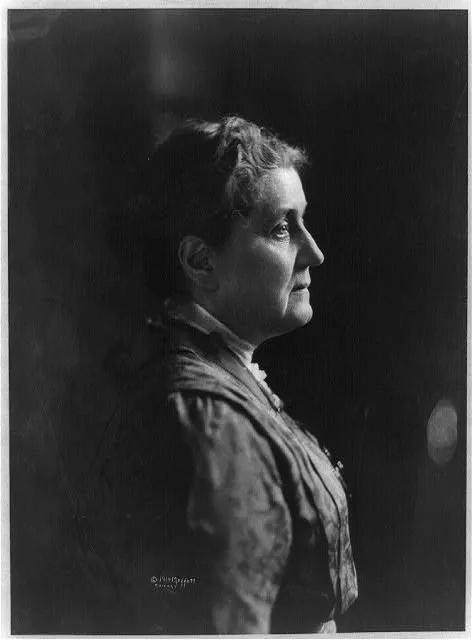
Jane Addams Source: Library of Congress
In the late nineteenth and early twentieth centuries, Jane Addams became a leader in American reform movements. Born in 1860, she co-founded Hull House in Chicago in 1889 with Ellen Gates Starr. This settlement house aimed to address the hardships of urban life, especially for immigrants and the poor. At the time, many immigrants were arriving in the United States and settling in crowded cities. They often faced discrimination, unsafe living conditions, and limited access to education and health care. Addams recognized these complex problems and sought innovative solutions.
The Hull House provided essential services such as childcare, classes in English and job skills, and health clinics. Volunteers, including many women, worked alongside Addams to support families as they adapted to life in America. The settlement house also became a center for community organizing and civic engagement. Hull House residents discussed local issues and advocated for change in city government. Their efforts influenced important legislation related to housing, sanitation, and child labor.
Jane Addams’ work was not without challenges. Some city officials and business owners opposed her activism, fearing that reforms would cost money or upset existing social systems. Addams, however, believed that every person deserved dignity and opportunity. She used evidence from her experiences at Hull House to show how social problems could be solved through cooperation and humanitarian efforts. Addams and her colleagues collected data on living conditions and used it to persuade lawmakers to take action.
Over time, Hull House became a model for hundreds of other settlement houses across the United States. The movement inspired new approaches to social work, a profession dedicated to helping people improve their circumstances. Addams also worked for peace and women’s rights, arguing that social reform was closely connected to democracy and justice. She was a founding member of the National Association for the Advancement of Colored People (NAACP) and participated in international peace conferences.
In 1931, Jane Addams became the first American woman to win the Nobel Peace Prize. The award recognized her lifelong commitment to promoting peace, equality, and the well-being of society’s most vulnerable members. Her legacy continues to influence modern social services and public policy. Today, historians recognize Addams as a key figure in the Progressive Era, a time when Americans sought to make their country fairer and more just.
Interesting Fact: Jane Addams was one of the first women in the United States to earn a college degree, graduating from Rockford Female Seminary in 1881.
Who co-founded Hull House?
Jane Addams and Ellen Gates StarrJane Addams and Susan B. AnthonyEllen Gates Starr and Ida B. WellsJane Addams and Elizabeth Cady Stanton
What was Hull House's main goal?
Help immigrants and the poorSupport only wealthy citizensBuild factoriesTrain soldiers
What major award did Addams win?
Nobel Peace PrizePulitzer PrizePresidential Medal of FreedomOlympic Gold Medal
Why did some oppose Addams's work?
Feared reforms would cost moneyLiked unsafe housingWanted more settlement housesWanted more immigrants
How did Hull House support communities?
Offered services and organized residentsSold land to immigrantsBuilt new factoriesClosed schools
Why was Addams's activism important?
Led to new laws and social workStopped urban growthHelped only business ownersEnded all poverty
Jane Addams was a leader of the Progressive Era. True or False?
TrueFalse
What does 'humanitarian' mean?
Helping people and reducing sufferingBuilding tall buildingsMaking new inventionsMoving to a new country
Perfect For:
👩🏫 Teachers
• Reading comprehension practice
• Auto-graded assessments
• Literacy skill development
👨👩👧👦 Parents
• Reading practice at home
• Comprehension improvement
• Educational reading time
🏠 Homeschoolers
• Reading curriculum support
• Independent reading practice
• Progress monitoring
Reading Features:
📖
Reading Passage
Engaging fiction or nonfiction text
❓
Comprehension Quiz
Auto-graded questions
📊
Instant Feedback
Immediate results and scoring
📄
Printable Version
Download for offline reading
🔊
Read Aloud
Voice-over with word highlighting
Reviews & Ratings
No reviews yet. Be the first to share your experience!
Related Content
Native American Tribes Across America
This engaging history reading passage introduces students to Native American tribes across America, focusing on their da...
D2.HIS.1.3-5D2.HIS.2.3-5RI.4.1RI.4.2
Teepees: Homes on the Great Plains
This engaging history reading passage introduces students to teepees, the unique homes of Native American tribes on the ...
D2.HIS.2.3-5D2.HIS.14.3-5RI.4.1RI.4.2RI.4.4
Traditional Native American Clothing
This engaging history passage explores traditional Native American clothing and how it reflected the environment, values...
D2.HIS.2.3-5D2.HIS.3.3-5RI.4.3RI.4.4
The Iroquois Confederacy: A System of Peace
This engaging U.S. History reading passage introduces students to the Iroquois Confederacy, a powerful alliance of Nativ...
D2.HIS.2.3-5D2.HIS.3.3-5RI.4.3RI.4.4
The Cherokee Nation: History and Culture
This reading passage explores the rich history and culture of the Cherokee Nation, one of the largest Native American tr...
D2.HIS.2.3-5D2.HIS.14.3-5RI.4.3RI.4.4RI.4.10
The Sioux: Warriors and Tribal Leaders
This history reading passage explores the Sioux Nation, focusing on their roles as warriors and tribal leaders. Students...
D2.HIS.1.3-5D2.HIS.2.3-5RI.4.1RI.4.3
Native American Respect for Nature
This engaging history reading passage explores Native American respect for nature, emphasizing the close relationship be...
D2.HIS.2.3-5D2.HIS.3.3-5RI.4.3RI.4.4
Jamestown: The First Permanent English Colony
This engaging history passage explores the founding of Jamestown, the first permanent English colony in America. Aligned...
D2.HIS.1.3-5D2.HIS.2.3-5RI.4.3RI.4.4
Pocahontas and the Powhatan People
This engaging reading passage explores the life of Pocahontas and the Powhatan people and their important role in early ...
D2.HIS.1.3-5D2.HIS.2.3-5RI.4.1RI.4.3
Colonial Children: School and Chores
This reading passage explores the daily lives of colonial children, focusing on their experiences at school and their ma...
D2.HIS.2.3-5D2.HIS.3.3-5RI.4.1RI.4.2RI.4.4
Colonial Clothing and Homemade Goods
This engaging U.S. history passage explores the daily life of early American colonists with a focus on colonial clothing...
D2.HIS.2.3-5RI.4.3RI.4.4
Colonial Jobs: Blacksmiths, Bakers, and Craftsmen
This engaging history reading passage explores the vital roles of blacksmiths, bakers, and craftsmen in colonial America...
D2.HIS.2.3-5D2.HIS.3.3-5RI.4.3RI.4.4
Colonial Towns and Village Life
This engaging history reading passage explores the daily life, work, and unity found in colonial towns and villages. Ali...
D2.HIS.1.3-5D2.HIS.2.3-5RI.4.3RI.4.4
Colonial Trade with England and Africa
This history reading passage explores colonial trade between the American colonies, England, and Africa, focusing on the...
D2.HIS.2.3-5D2.HIS.14.3-5RI.4.3RI.4.4
Benjamin Franklin: Printer, Inventor, and Leader
This history reading passage explores the life and achievements of Benjamin Franklin, one of America's most important ea...
D2.HIS.2.3-5D2.HIS.3.3-5RI.4.1RI.4.3
George Washington Leads the Army
This engaging history reading passage explores how George Washington bravely led the Continental Army during the America...
D2.HIS.1.3-5D2.HIS.2.3-5RI.4.3RI.4.4
Women and Children During the Revolutionary War
This reading passage explores the important roles women and children played during the Revolutionary War. Students will ...
D2.HIS.2.3-5RI.4.3RI.5.3
African Americans Fight for Freedom
This educational passage explores the brave and inspiring story of how African Americans fought for freedom in the Unite...
D2.HIS.2.3-5D2.HIS.3.3-5RI.4.3RI.4.4
The Battle of Yorktown Ends War
This engaging U.S. history reading passage explores the Battle of Yorktown, a key event that ended the American Revoluti...
D2.HIS.1.3-5D2.HIS.2.3-5RI.4.1RI.4.3
Loyalists vs. Patriots: Divided Families
This engaging U.S. history reading passage explores the division between Loyalists and Patriots during the American Revo...