Knights of Labor
Interactive passage with audio narration, comprehension questions, and printable PDF.
By completing this purchase you agree to our Terms of Use and Privacy Policy. Your subscription renews automatically until you cancel. You can cancel anytime from your account settings. All sales are final and non-refundable. Digital content is available for download in your account immediately upon purchase.
What's included
Knights of Labor preview and details
About this printable Knights of Labor reading passage (Grades 6-8)
Sample passage and quiz from Knights of Labor
Reading passage and comprehension quiz preview
Knights of Labor
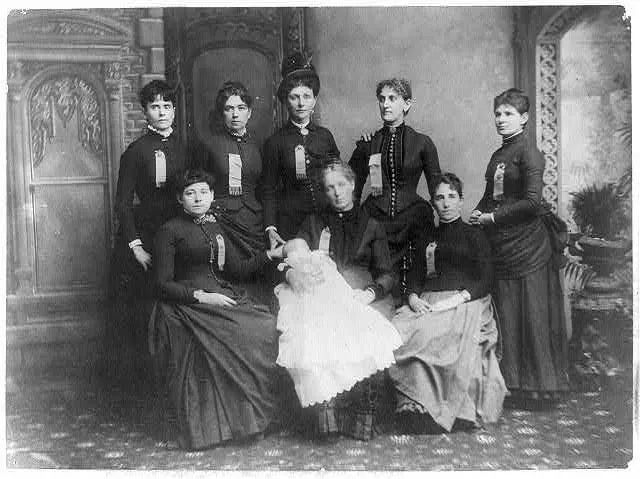
Source: Library of Congress
The Knights of Labor was one of the first large labor unions in the United States. Founded in 1869, it welcomed workers from many different occupations and backgrounds, including skilled and unskilled workers, immigrants, women, and African Americans. This broad membership was unusual for its time, as most unions only accepted workers from a single trade or group. The Knights believed that unity and solidarity among all workers were essential to improve working conditions and protect workers’ rights.
During the late 1800s, American workers often faced dangerous jobs, long hours, and low pay. The Knights of Labor saw these conditions as a major problem and argued that workers deserved better. Their main reforms included the push for an eight-hour workday, higher wages, and safer workplaces. They also supported equal pay for equal work, regardless of gender or race. These goals challenged the existing social and economic order, putting the Knights in conflict with many business owners and some political leaders.
Unlike some unions that focused on strikes and confrontation, the Knights often preferred peaceful negotiation and arbitration to resolve disputes. However, as the union grew, it faced many difficulties. Some members disagreed about tactics, and not all employers were willing to negotiate fairly. Tensions came to a head during the 1886 Haymarket Affair in Chicago, when a protest for workers’ rights turned violent. Although the Knights were not directly responsible, the public associated them with the violence, which hurt their reputation and caused membership to decline.
The Knights of Labor reached its peak in the mid-1880s, with nearly 700,000 members. Despite their eventual decline, the Knights helped set the stage for future labor organizations by showing the power of a united workforce. Their efforts inspired later unions like the American Federation of Labor, which continued the struggle for fair wages and better conditions. The Knights’ dream of a society where workers could earn a decent living and have a say in their workplaces influenced many later reforms and laws.
Today, the Knights of Labor are remembered for their inclusive vision and their role in the labor movement. They demonstrated that collective action and solidarity could lead to positive change, even if progress was slow and sometimes met with resistance. Their legacy lives on in the rights and protections that American workers have today.
Interesting Fact: The Knights of Labor was one of the first national unions to support equal pay for women as well as men, long before laws required it.
Comprehension quiz (8 questions)
1. When was the Knights of Labor founded?
2. What event hurt the Knights' reputation?
3. What was a major goal of the Knights?
4. Why was the Knights' membership unusual?
5. What effect did the Haymarket Affair have?
6. How did the Knights try to solve disputes?
7. The Knights supported equal pay for women. True or false?
8. What does 'solidarity' mean?
Common Core standards for Knights of Labor
Explain events, procedures, ideas, or concepts in a historical, scientific, or technical text, including what happened and why, based on specific information in the text.
Determine the meaning of general academic and domain-specific words or phrases in a text relevant to a grade 4 topic or subject area.
Write informative/explanatory texts to examine a topic and convey ideas and information clearly.
Perfect for the way you teach
- Build comprehension skills
- Auto-graded quiz
- Differentiated reading
- Read together at home
- Improve fluency
- Quiet reading time
- Reading curriculum support
- Independent practice
- Track Lexile growth