Life During the Industrial Revolution
Interactive passage with audio narration, comprehension questions, and printable PDF.
By completing this purchase you agree to our Terms of Use and Privacy Policy. Your subscription renews automatically until you cancel. You can cancel anytime from your account settings. All sales are final and non-refundable. Digital content is available for download in your account immediately upon purchase.
What's included
Part of this bundle

Life During the Industrial Revolution preview and details
About this printable Life During the Industrial Revolution reading passage (Grades 3-5)
Sample passage and quiz from Life During the Industrial Revolution
Reading passage and comprehension quiz preview
Life During the Industrial Revolution
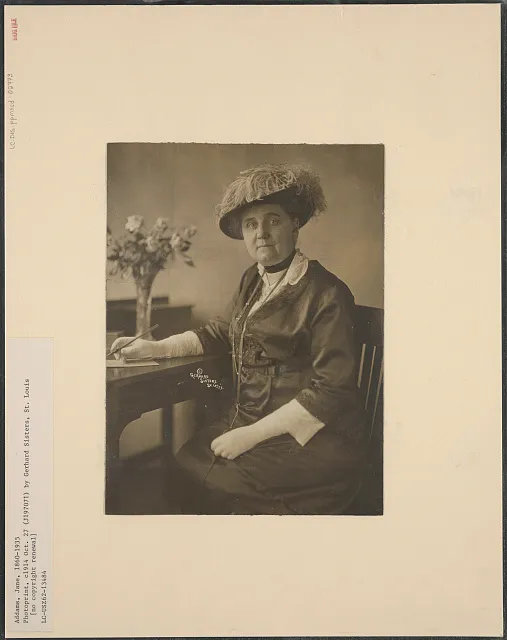
Source: Library of Congress - Gerhard Sisters
The Industrial Revolution changed life in the United States in big ways. Starting in the late 1700s and growing through the 1800s, new machines and inventions made it possible for people to make goods faster and in larger amounts. Instead of working on small family farms, many people moved to the city to work in factories.
This move from rural areas to crowded cities is called urbanization. Families left the quiet countryside and traveled to busy cities like New York, Chicago, and Boston. The cities grew quickly. Streets filled with workers, wagons, and streetcars. People lived in small apartments close to their jobs, often in crowded buildings called tenements.
Factory jobs were very different from farm work. Factory workers did the same job all day, often using loud machines. The work was hard and the hours were long. Even children had to work to help their families. Many children worked in factories, mills, or sold newspapers on the street. Life was tough, but families hoped for a better future.
New inventions appeared everywhere. The steam engine powered trains and boats. The telegraph sent messages across the country. Electric lights brightened homes and streets. These inventions made life faster and sometimes easier, but also brought new problems. Smoke from factories made the air dirty. Many workers got sick or hurt because of unsafe conditions.
The Industrial Revolution also brought social change. Reformers saw the problems in factories and cities. They spoke out for safer workplaces, shorter work hours, and better schools. The Progressive Era began as people worked together to solve these problems and make life better for everyone.
Daily life changed for everyone. People shopped in stores instead of making things at home. Families spent less time together because parents and children worked long hours. Still, people found ways to have fun. They went to parks, fairs, and watched baseball games.
The Industrial Revolution was a time of problems and progress. It made America richer and more modern, but also showed the nation needed to care for its workers and children.
Interesting Fact: The first electric streetlights in the United States were turned on in Cleveland, Ohio, in 1879.
Comprehension quiz (8 questions)
1. What is urbanization?
2. What powered trains and boats?
3. Where did many families move?
4. Why did children work in factories?
5. What was a problem in cities?
6. What did reformers want?
7. The first electric streetlights were in New York. True or false?
8. What is a tenement?
Common Core standards for Life During the Industrial Revolution
Explain events, procedures, ideas, or concepts in a historical, scientific, or technical text, including what happened and why, based on specific information in the text.
Determine the meaning of general academic and domain-specific words or phrases in a text relevant to a grade 4 topic or subject area.
Write informative/explanatory texts to examine a topic and convey ideas and information clearly.
Perfect for the way you teach
- Build comprehension skills
- Auto-graded quiz
- Differentiated reading
- Read together at home
- Improve fluency
- Quiet reading time
- Reading curriculum support
- Independent practice
- Track Lexile growth