Loving v Virginia 1967: Interracial Marriage Legal
Interactive passage with audio narration, comprehension questions, and printable PDF.
By completing this purchase you agree to our Terms of Use and Privacy Policy. Your subscription renews automatically until you cancel. You can cancel anytime from your account settings. All sales are final and non-refundable. Digital content is available for download in your account immediately upon purchase.
What's included
Loving v Virginia 1967: Interracial Marriage Legal preview and details
About this printable Loving v Virginia 1967: Interracial Marriage Legal reading passage (Grades 6-8)
Sample passage and quiz from Loving v Virginia 1967: Interracial Marriage Legal
Reading passage and comprehension quiz preview
Loving v Virginia 1967: A Landmark Civil Rights Case
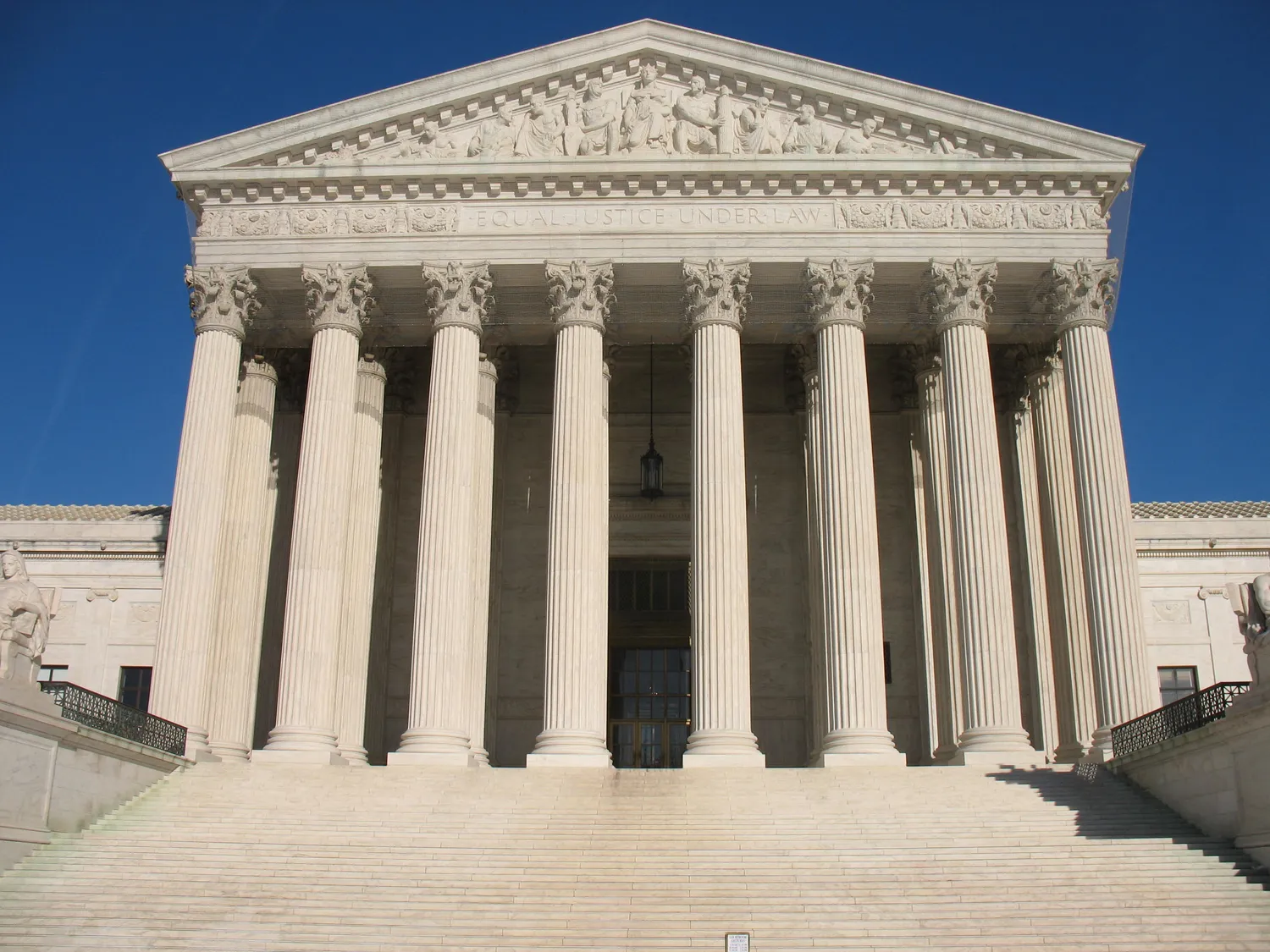
Source: Wikimedia Commons - Photo by Mr. Kjetil Ree.
The 1967 Supreme Court decision in Loving v Virginia changed the course of American history by ending state laws that banned interracial marriage. At that time, several states had laws called "anti-miscegenation" laws, which made it illegal for people of different races to marry. This created a significant problem for couples who wanted to be together, regardless of their racial backgrounds.
The story began in Virginia with Richard Loving, a white man, and Mildred Jeter Loving, a Black and Native American woman. In 1958, they married in Washington, D.C., where interracial marriage was legal. When they returned to their home in Virginia, the police arrested them for violating the state’s marriage laws. The Lovings were found guilty and told to leave Virginia for 25 years or face prison. Their case highlighted the conflict between state laws and the United States Constitution’s promise of equal protection.
The Lovings, supported by civil rights lawyers, decided to fight back. With the help of the American Civil Liberties Union (ACLU), they appealed their conviction all the way to the Supreme Court. Their lawyers argued that Virginia’s law violated the Fourteenth Amendment, which guarantees equal protection under the law for all citizens. This amendment had become a powerful tool in the Civil Rights Movement, used to challenge unjust laws and practices.
The Supreme Court’s decision in 1967 was unanimous. The justices ruled that marriage is a fundamental right and that banning interracial marriage was unconstitutional. The Court stated that the freedom to marry cannot be restricted by race, making it clear that state laws could not override individual rights protected by the Constitution. This ruling struck down all remaining anti-miscegenation laws across the country.
As a landmark case, Loving v Virginia had a lasting impact on American society. It not only ended legal barriers to interracial marriage but also set an important precedent for future cases about marriage and equality. The decision encouraged other civil rights reforms and contributed to a broader understanding of personal liberty and justice.
However, social change did not happen overnight. Many couples still faced discrimination and prejudice in their communities, even after the law had changed. The Lovings themselves preferred to stay out of the spotlight, but their courage and determination inspired others to challenge unfair laws. Their legacy continues to influence legal debates about marriage and civil rights today.
Interesting Fact: The anniversary of the Supreme Court decision, June 12, is now celebrated as "Loving Day" in honor of the Lovings and the movement for marriage equality.
Comprehension quiz (8 questions)
1. Who were the Lovings?
2. When did the Supreme Court rule on Loving v Virginia?
3. What did the anti-miscegenation laws ban?
4. Why is Loving v Virginia a landmark case?
5. What amendment did the Lovings' lawyers use?
6. How did the decision affect the country?
7. The Lovings wanted to keep their story public. True or false?
8. What does 'landmark' mean in the passage?
Common Core standards for Loving v Virginia 1967: Interracial Marriage Legal
Explain events, procedures, ideas, or concepts in a historical, scientific, or technical text, including what happened and why, based on specific information in the text.
Determine the meaning of general academic and domain-specific words or phrases in a text relevant to a grade 4 topic or subject area.
Write informative/explanatory texts to examine a topic and convey ideas and information clearly.
Perfect for the way you teach
- Build comprehension skills
- Auto-graded quiz
- Differentiated reading
- Read together at home
- Improve fluency
- Quiet reading time
- Reading curriculum support
- Independent practice
- Track Lexile growth