Pericles of Athens
Interactive passage with audio narration, comprehension questions, and printable PDF.
By completing this purchase you agree to our Terms of Use and Privacy Policy. Your subscription renews automatically until you cancel. You can cancel anytime from your account settings. All sales are final and non-refundable. Digital content is available for download in your account immediately upon purchase.
What's included
Part of this bundle

Pericles of Athens preview and details
About this printable Pericles of Athens reading passage (Grades 6-8)
Sample passage and quiz from Pericles of Athens
Reading passage and comprehension quiz preview
Pericles of Athens
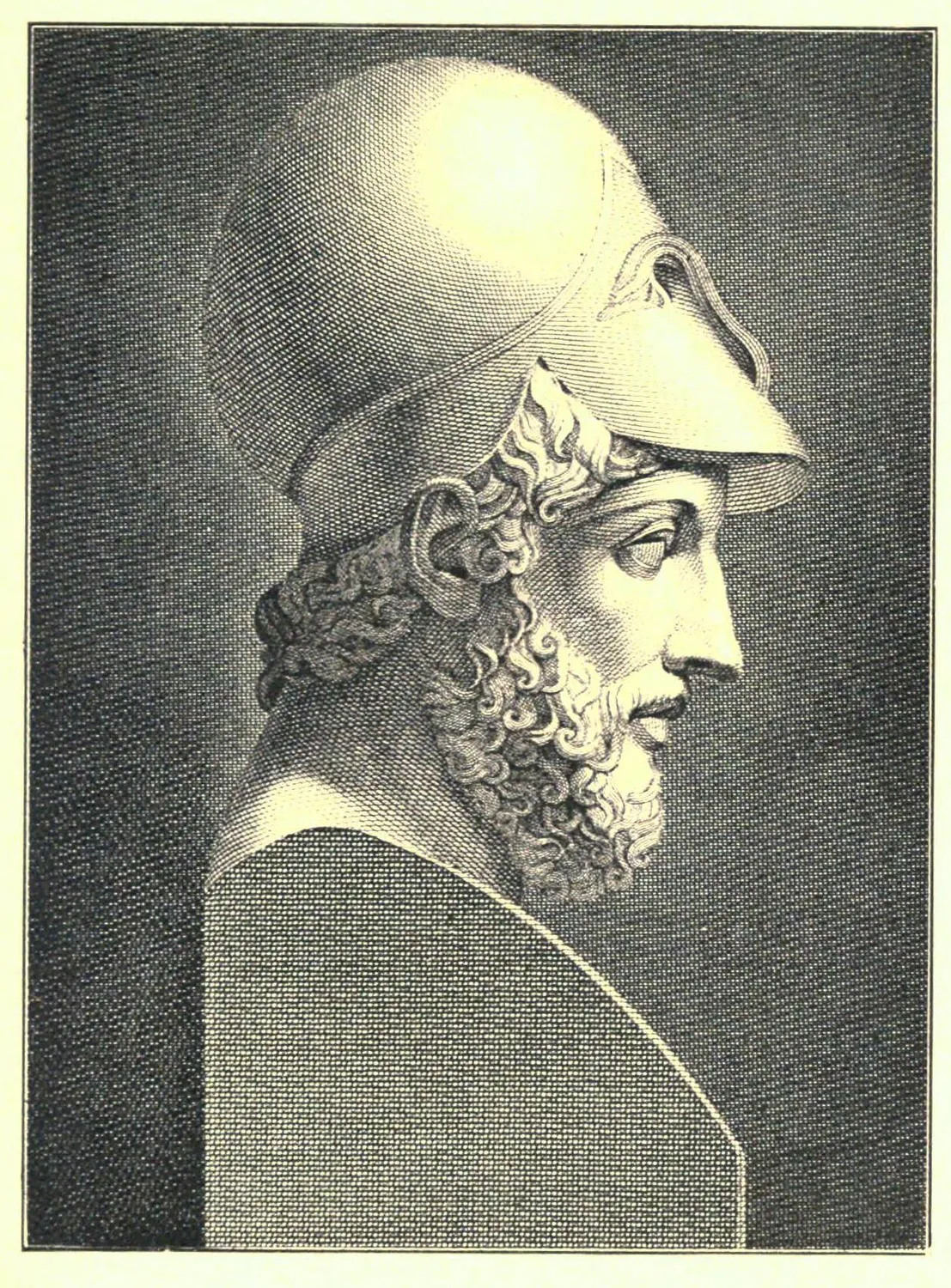
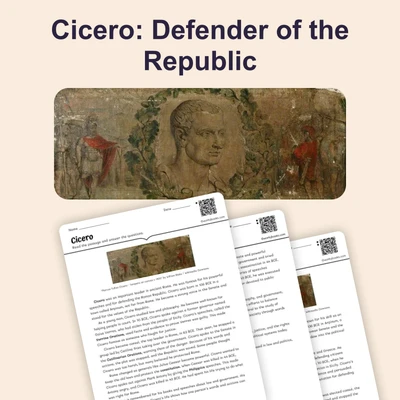
"Pericles" by William Jennings Bryan, Francis Whiting Halsey / Wikimedia Commons (Public domain).
Pericles was a powerful statesman who led the city-state of Athens during its Golden Age, from about 461 BCE to 429 BCE. Under his leadership, Athens became a center of art, philosophy, and democracy. Pericles encouraged new ideas and supported the growth of Athenian power throughout the Greek world.
One of Pericles’ most lasting achievements was the expansion of democracy. Before Pericles, only wealthy male citizens had much influence in the Athenian assembly. Pericles introduced reforms that allowed all free male citizens the right to participate in government by voting and holding public office. This made Athens the most democratic city-state in ancient Greece at the time. According to the historian Thucydides, Pericles believed that all citizens should have an equal voice, regardless of their wealth or status.
Pericles also transformed Athens through ambitious building projects. The most famous of these was the construction of the Parthenon on the Acropolis—a hilltop fortress in the heart of Athens. Built between 447 BCE and 432 BCE, the Parthenon honored the goddess Athena and showcased the city’s wealth and artistic skill. Archaeological evidence, such as marble blocks and ancient tools, reveals the scale and craftsmanship of this project. The temple’s sculpted friezes and columns are admired to this day.
Pericles supported artists, philosophers, and playwrights, helping Athens become a leading cultural center. He used funds from the Delian League—an alliance of Greek city-states led by Athens—to finance public works and festivals. While many Athenians enjoyed greater freedom and opportunity, not everyone benefited equally. Women, slaves, and foreigners were still excluded from political life. Some city-states resented Athens’ growing power, which contributed to the outbreak of the Peloponnesian War in 431 BCE.
Pericles’ leadership marked a turning point in Greek history. His vision of democracy, investment in public buildings, and support for the arts helped shape Western civilization. However, his era also saw increased conflict and challenges. The legacy of Pericles reminds us how leadership can inspire creativity and participation, but also lead to new problems and debates.
Studying Pericles connects to broader themes of governance, citizenship, and the rise and fall of civilizations in world history.
Interesting Fact: Pericles delivered a famous speech, the “Funeral Oration,” which praised democracy and honored fallen soldiers—a speech still studied for its powerful ideas about civic duty.
Comprehension quiz (8 questions)
1. Who led Athens during its Golden Age?
2. What building did Pericles help construct?
3. Which league did Athens lead?
4. Pericles expanded democracy by:
5. What caused the Peloponnesian War?
6. Why was the Parthenon important?
7. Pericles supported the arts. True or false?
8. What is an assembly?
Perfect for the way you teach
- Build comprehension skills
- Auto-graded quiz
- Differentiated reading
- Read together at home
- Improve fluency
- Quiet reading time
- Reading curriculum support
- Independent practice
- Track Lexile growth