Proxy vs. Real Temperature Data
Interactive passage with audio narration, comprehension questions, and printable PDF.
By completing this purchase you agree to our Terms of Use and Privacy Policy. Your subscription renews automatically until you cancel. You can cancel anytime from your account settings. All sales are final and non-refundable. Digital content is available for download in your account immediately upon purchase.
What's included
Proxy vs. Real Temperature Data preview and details
About this printable Proxy vs. Real Temperature Data science reading passage, NGSS-aligned (Grade 6)
Sample passage and quiz from Proxy vs. Real Temperature Data
Reading passage and comprehension quiz preview
Proxy vs. Real Temperature Data
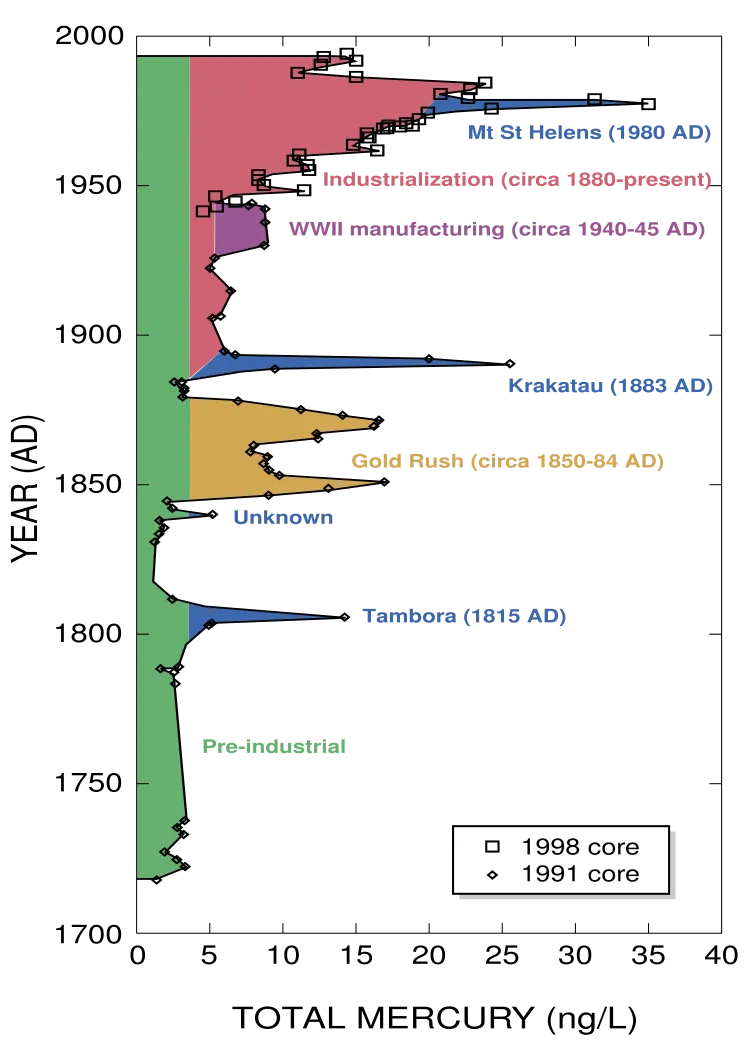
"Mercury in Ice Core Upper Fremont Glacier" by U.S. Geological Survey / Wikimedia Commons
Have you ever wondered how scientists know about Earth's temperature from hundreds or even thousands of years ago? They didn't have thermometers back then! This is where the difference between real temperature data and proxy temperature data comes in handy for understanding global warming and climate change.
Real temperature data is what we get directly from tools like thermometers. These tools measure the temperature right now, or at a specific time in the recent past. For example, when a weather reporter tells you the temperature outside, they are using real temperature data. Weather stations all over the world collect this information every day. This kind of data is very accurate and helps us see how temperatures are changing in our lifetimes.
But what about before thermometers existed? That's when scientists use proxy temperature data. A "proxy" is something that stands in for something else. So, proxy temperature data isn't a direct measurement of temperature. Instead, it comes from natural sources that are affected by temperature. By studying these sources, scientists can estimate what the temperature was like long ago. These sources are like natural archives of Earth's past climate.
Examples of proxy data include tree rings, ice cores, and ocean sediments. For instance, trees grow wider rings in warm, wet years and narrower rings in cold, dry years. By looking at the pattern of rings in old trees, scientists can learn about past temperatures and rainfall. Similarly, ice cores are long tubes of ice drilled from glaciers or ice sheets. Each layer of ice holds clues about the temperature and atmosphere from the time it formed. Even tiny organisms in ocean sediments can tell us about ancient ocean temperatures.
Both real and proxy temperature data are important for understanding how Earth's climate has changed over a long time. Real temperature data gives us precise information about recent warming trends, which are linked to human activities. Proxy data helps us put these recent changes into a bigger picture, showing us how current global warming compares to natural temperature changes from the past. Together, they provide strong evidence that our planet is indeed getting warmer, and help scientists study the factors that have caused the rise in global temperatures over the past century.
Interesting Fact: The oldest ice core ever drilled, from Antarctica, provides climate data going back over 800,000 years!
Comprehension quiz (10 questions)
1. What is real temperature data?
2. What is a 'proxy' in science?
3. Why is real temperature data important?
4. What can wider tree rings indicate?
5. What does an ice core contain?
6. How far back can the oldest ice core data go?
7. Both real and proxy data help scientists understand global warming. True or False?
8. Why is proxy data needed for ancient temperatures?
9. Imagine you find a very old diary describing extremely hot summers. Is this real or proxy data?
10. If you measure today's air temperature with a sensor, what type of data is it?
Perfect for the way you teach
- Build comprehension skills
- Auto-graded quiz
- Differentiated reading
- Read together at home
- Improve fluency
- Quiet reading time
- Reading curriculum support
- Independent practice
- Track Lexile growth