Rivers and Trade in the Middle Colonies — Reading Comprehension
Rate this
Premium Resource
Present
Present in classroom. No work saved
Assign
Classroom with student accounts, Track progress
Quick Play
No student accounts, assign with a link
Grades
3
4
5
Standards
D2.HIS.2.3-5
D2.GEO.4.3-5
RI.4.3
RI.4.4
W.4.2
PRINT+DIGITAL RESOURCE
This learning resource is available in interactive and printable formats. The interactive worksheet can be played online and assigned to students. The Printable PDF version can be downloaded and printed for completion by hand.
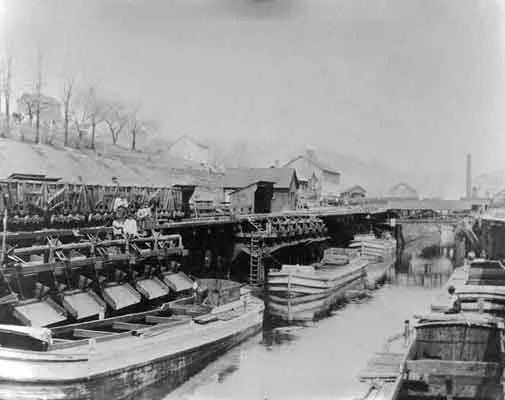
This engaging U.S. history reading passage explores the important role of the Delaware and Hudson Rivers in shaping trade and daily life during colonial times in the Middle Colonies. Students will learn how these rivers acted as highways for transporting goods, connecting towns, and helping people solve problems. The passage highlights the cause and effect of river trade, introduces key vocabulary words, and includes a timeline of important events related to the rivers. Activities feature reading comprehension questions, a writing assignment, and graphic organizers to build historical thinking. This resource aligns with C3 history and Common Core standards, and provides both English and Spanish versions. Audio read-aloud is included, making it accessible for all learners. Perfect for building foundational knowledge about colonial America and the impact of geography on history.
The Middle Colonies played a big part in America's early trade. Farmers in places like Pennsylvania, New York, New Jersey, and Delaware grew large amounts of wheat and other grains. These grains were important for making bread and feeding people. The rich soil and mild weather helped farmers grow more crops than in other colonies.
After harvesting, farmers took their crops to mills, where wheat was ground into flour. This flour became one of the main exports of the Middle Colonies. An export is a good sent to another place to be sold. The colonies also raised cows, pigs, and sheep. These animals provided meat and other products that people in other colonies and in Europe wanted. The Middle Colonies became known as the "breadbasket" because they shipped so much food.
Busy port cities like New York and Philadelphia grew quickly. A port city is a city near water where ships come and go. Farmers loaded their wheat, flour, and livestock onto wagons. These wagons traveled by road to the ports. There, goods were moved onto merchant ships—large sailing ships that carried goods across the Atlantic Ocean.
Many people worked together to make trade possible. Farmers grew the food. Millers ground the grains. Merchants organized sales and shipping. Dock workers loaded and unloaded ships. Shipbuilders built strong ships for long journeys. All these jobs made the trade system strong.
Once on the ships, goods sailed to other American colonies and to Europe. Colonists in the South and New England bought food from the Middle Colonies. In Europe, people in cities like London and Amsterdam ate bread made from American flour. This trade helped the Middle Colonies become very rich and important. As a result, more people moved there to find jobs and start businesses.
The trade system also brought changes. Port cities became busy places with people from many lands. Ships brought back goods like cloth, tea, and tools. This made life in the colonies more comfortable and connected them to the wider world. The success of trade in the Middle Colonies helped America grow and become more independent.
Interesting Fact: In the 1700s, Philadelphia was the busiest port in America, shipping thousands of barrels of flour each year.
Which colonies grew lots of wheat?
Middle ColoniesSouthern ColoniesNew England ColoniesWestern Colonies
What was a main export?
FlourCottonRiceSugar
Which city was a busy port?
PhiladelphiaBostonCharlestonJamestown
Why did port cities grow?
Trade made them busyThey had gold minesThey were capitalsThey had many farms
What did merchant ships do?
Carried goods across oceanFought in warsCaught fishBrought gold
How did trade change cities?
Made them busierMade them smallerClosed the portsMade them empty
The Middle Colonies were called the breadbasket. True or false?
TrueFalse
What is an export?
A good sent to sellA kind of shipA worker at a dockA city on a river
Perfect For:
👩🏫 Teachers
• Reading comprehension practice
• Auto-graded assessments
• Literacy skill development
👨👩👧👦 Parents
• Reading practice at home
• Comprehension improvement
• Educational reading time
🏠 Homeschoolers
• Reading curriculum support
• Independent reading practice
• Progress monitoring
Reading Features:
📖
Reading Passage
Engaging fiction or nonfiction text
❓
Comprehension Quiz
Auto-graded questions
📊
Instant Feedback
Immediate results and scoring
📄
Printable Version
Download for offline reading
🔊
Read Aloud
Voice-over with word highlighting
Reviews & Ratings
No reviews yet. Be the first to share your experience!
Related Content
Life in the Southern Colonies
This engaging reading passage explores Colonial America's Southern Colonies, focusing on how geography, climate, and peo...
D2.HIS.4.3-5D2.GEO.4.3-5RI.4.3RI.4.4
Native American Tribes Across America
This engaging history reading passage introduces students to Native American tribes across America, focusing on their da...
D2.HIS.1.3-5D2.HIS.2.3-5RI.4.1RI.4.2
Teepees: Homes on the Great Plains
This engaging history reading passage introduces students to teepees, the unique homes of Native American tribes on the ...
D2.HIS.2.3-5D2.HIS.14.3-5RI.4.1RI.4.2RI.4.4
Traditional Native American Clothing
This engaging history passage explores traditional Native American clothing and how it reflected the environment, values...
D2.HIS.2.3-5D2.HIS.3.3-5RI.4.3RI.4.4
The Iroquois Confederacy: A System of Peace
This engaging U.S. History reading passage introduces students to the Iroquois Confederacy, a powerful alliance of Nativ...
D2.HIS.2.3-5D2.HIS.3.3-5RI.4.3RI.4.4
The Cherokee Nation: History and Culture
This reading passage explores the rich history and culture of the Cherokee Nation, one of the largest Native American tr...
D2.HIS.2.3-5D2.HIS.14.3-5RI.4.3RI.4.4RI.4.10
The Sioux: Warriors and Tribal Leaders
This history reading passage explores the Sioux Nation, focusing on their roles as warriors and tribal leaders. Students...
D2.HIS.1.3-5D2.HIS.2.3-5RI.4.1RI.4.3
Native American Respect for Nature
This engaging history reading passage explores Native American respect for nature, emphasizing the close relationship be...
D2.HIS.2.3-5D2.HIS.3.3-5RI.4.3RI.4.4
Jamestown: The First Permanent English Colony
This engaging history passage explores the founding of Jamestown, the first permanent English colony in America. Aligned...
D2.HIS.1.3-5D2.HIS.2.3-5RI.4.3RI.4.4
Pocahontas and the Powhatan People
This engaging reading passage explores the life of Pocahontas and the Powhatan people and their important role in early ...
D2.HIS.1.3-5D2.HIS.2.3-5RI.4.1RI.4.3
Colonial Children: School and Chores
This reading passage explores the daily lives of colonial children, focusing on their experiences at school and their ma...
D2.HIS.2.3-5D2.HIS.3.3-5RI.4.1RI.4.2RI.4.4
Colonial Clothing and Homemade Goods
This engaging U.S. history passage explores the daily life of early American colonists with a focus on colonial clothing...
D2.HIS.2.3-5RI.4.3RI.4.4
Colonial Jobs: Blacksmiths, Bakers, and Craftsmen
This engaging history reading passage explores the vital roles of blacksmiths, bakers, and craftsmen in colonial America...
D2.HIS.2.3-5D2.HIS.3.3-5RI.4.3RI.4.4
Colonial Towns and Village Life
This engaging history reading passage explores the daily life, work, and unity found in colonial towns and villages. Ali...
D2.HIS.1.3-5D2.HIS.2.3-5RI.4.3RI.4.4
Colonial Trade with England and Africa
This history reading passage explores colonial trade between the American colonies, England, and Africa, focusing on the...
D2.HIS.2.3-5D2.HIS.14.3-5RI.4.3RI.4.4
Benjamin Franklin: Printer, Inventor, and Leader
This history reading passage explores the life and achievements of Benjamin Franklin, one of America's most important ea...
D2.HIS.2.3-5D2.HIS.3.3-5RI.4.1RI.4.3
George Washington Leads the Army
This engaging history reading passage explores how George Washington bravely led the Continental Army during the America...
D2.HIS.1.3-5D2.HIS.2.3-5RI.4.3RI.4.4
Women and Children During the Revolutionary War
This reading passage explores the important roles women and children played during the Revolutionary War. Students will ...
D2.HIS.2.3-5RI.4.3RI.5.3
African Americans Fight for Freedom
This educational passage explores the brave and inspiring story of how African Americans fought for freedom in the Unite...