Rocky Coast and Thick Forests in New England Colony — Reading Comprehension
Rate this
Premium Resource
Present
Present in classroom. No work saved
Assign
Classroom with student accounts, Track progress
Quick Play
No student accounts, assign with a link
Grades
3
4
5
Standards
D2.HIS.2.3-5
D2.HIS.6.3-5
RI.4.3
RI.4.4
W.4.2
PRINT+DIGITAL RESOURCE
This learning resource is available in interactive and printable formats. The interactive worksheet can be played online and assigned to students. The Printable PDF version can be downloaded and printed for completion by hand.
This reading passage introduces students to the New England Colonies, focusing on the rocky coasts and thick forests that shaped life in this region. Students will learn about the challenges faced by settlers, the role of Puritans, interactions with Native Americans, and the importance of unity and problem-solving in Colonial America. The passage highlights cause and effect relationships and uses simple language suitable for young readers. Activities include a multiple-choice quiz, writing prompts, a timeline of key events, and a graphic organizer to deepen understanding. The passage aligns with D2.His.2.3-5, D2.His.6.3-5, RI.4.3, RI.4.4, W.4.2 standards. A Spanish translation and read aloud audio are also provided, making this resource accessible to a diverse classroom. Key vocabulary words are included in a glossary for vocabulary development. This passage is ideal for history lessons about early America and the development of the colonies.
CONTENT PREVIEW
Expand content preview
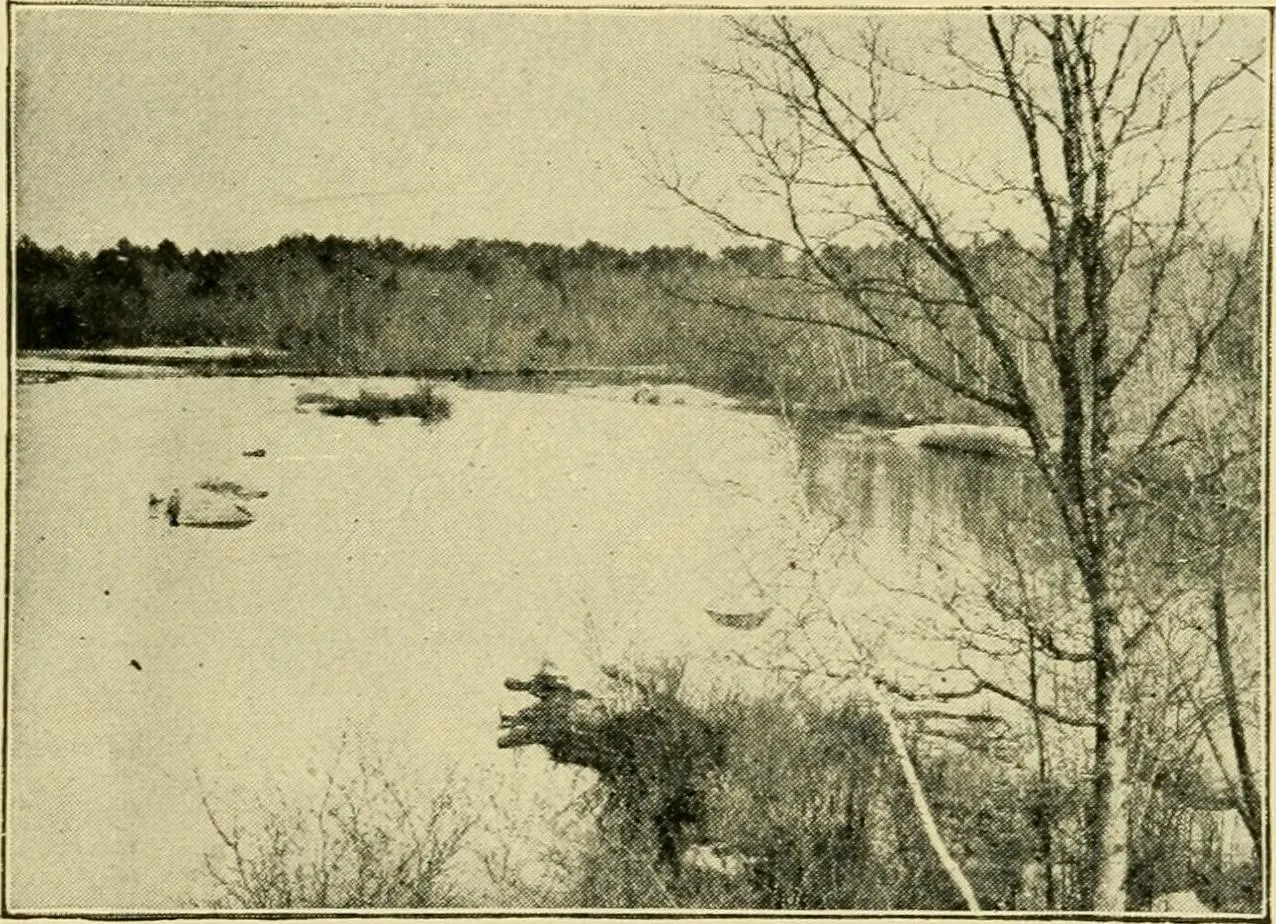
By trolley through eastern New England (1904) (14774211984).jpg Source: Wikimedia Commons - Internet Archive Book Images
New England is a region in the northeastern part of the United States. It is made up of six states: Maine, New Hampshire, Vermont, Massachusetts, Rhode Island, and Connecticut. The geography of New England shaped how people lived and worked during Colonial America.
The land in New England is known for its rocky soil. This made it very hard for colonists to grow crops. Unlike the rich soil found in other colonies, New England’s ground was full of rocks and was not easy to plow. As a result, farming was difficult. Colonists had to clear many rocks just to plant small gardens for food. Because large farms were almost impossible, most families grew only what they needed to survive.
New England is also covered in thick forests. Early settlers cut down trees to build homes and ships. The forests gave people wood for fuel and for making tools. The many trees and cold winters meant that people often worked together to stay warm and safe. Winters in New England were long and harsh, with lots of snow and freezing temperatures. This climate made it hard to grow food all year, so colonists had to store food for winter months.
One of the most important features of New England is its long coastline. The coast stretches for hundreds of miles along the Atlantic Ocean. Because farming was difficult, many colonists turned to the sea for their jobs. Fishing became a major industry. Colonists caught fish, whales, and shellfish to eat and sell. The sea also made it easier to trade goods with other places.
The coastline and forests helped New England become famous for shipbuilding. Shipyards were built near the coast, where workers built strong ships from tall trees. These ships were used for fishing, trade, and travel. Shipbuilding brought jobs and wealth to many New England towns.
In summary, New England’s terrain and climate made large farms rare, but helped fishing, shipbuilding, and trade grow. The people of New England learned to use their land and sea to survive and build strong communities.
Interesting Fact: Some of the oldest towns in America, like Plymouth and Boston, were built along the New England coastline because the sea was so important for travel and trade.
Which soil made farming hard?
Rocky soilSmooth soilSandy soilWet soil
What did forests provide?
Wood for buildingGoldSugarCotton
Which industry grew from the coastline?
FishingMiningFarmingTextiles
Why did colonists fish?
Farming was hardGold was foundTo cut treesTo build roads
How did the climate affect farming?
Winters were too coldIt rained every dayAlways sunnyNo snow
Why were towns built near the coast?
Easy travel and tradeBetter soilMore treesLess snow
New England has six states. True or false?
TrueFalse
What does 'terrain' mean?
Land featuresOcean animalsWeatherTall trees
Perfect For:
👩🏫 Teachers
• Reading comprehension practice
• Auto-graded assessments
• Literacy skill development
👨👩👧👦 Parents
• Reading practice at home
• Comprehension improvement
• Educational reading time
🏠 Homeschoolers
• Reading curriculum support
• Independent reading practice
• Progress monitoring
Reading Features:
📖
Reading Passage
Engaging fiction or nonfiction text
❓
Comprehension Quiz
Auto-graded questions
📊
Instant Feedback
Immediate results and scoring
📄
Printable Version
Download for offline reading
🔊
Read Aloud
Voice-over with word highlighting
Reviews & Ratings
No reviews yet. Be the first to share your experience!
Related Content
Native American Tribes Across America
This engaging history reading passage introduces students to Native American tribes across America, focusing on their da...
D2.HIS.1.3-5D2.HIS.2.3-5RI.4.1RI.4.2
Teepees: Homes on the Great Plains
This engaging history reading passage introduces students to teepees, the unique homes of Native American tribes on the ...
D2.HIS.2.3-5D2.HIS.14.3-5RI.4.1RI.4.2RI.4.4
Traditional Native American Clothing
This engaging history passage explores traditional Native American clothing and how it reflected the environment, values...
D2.HIS.2.3-5D2.HIS.3.3-5RI.4.3RI.4.4
The Iroquois Confederacy: A System of Peace
This engaging U.S. History reading passage introduces students to the Iroquois Confederacy, a powerful alliance of Nativ...
D2.HIS.2.3-5D2.HIS.3.3-5RI.4.3RI.4.4
The Cherokee Nation: History and Culture
This reading passage explores the rich history and culture of the Cherokee Nation, one of the largest Native American tr...
D2.HIS.2.3-5D2.HIS.14.3-5RI.4.3RI.4.4RI.4.10
The Sioux: Warriors and Tribal Leaders
This history reading passage explores the Sioux Nation, focusing on their roles as warriors and tribal leaders. Students...
D2.HIS.1.3-5D2.HIS.2.3-5RI.4.1RI.4.3
Native American Respect for Nature
This engaging history reading passage explores Native American respect for nature, emphasizing the close relationship be...
D2.HIS.2.3-5D2.HIS.3.3-5RI.4.3RI.4.4
Jamestown: The First Permanent English Colony
This engaging history passage explores the founding of Jamestown, the first permanent English colony in America. Aligned...
D2.HIS.1.3-5D2.HIS.2.3-5RI.4.3RI.4.4
Pocahontas and the Powhatan People
This engaging reading passage explores the life of Pocahontas and the Powhatan people and their important role in early ...
D2.HIS.1.3-5D2.HIS.2.3-5RI.4.1RI.4.3
Colonial Children: School and Chores
This reading passage explores the daily lives of colonial children, focusing on their experiences at school and their ma...
D2.HIS.2.3-5D2.HIS.3.3-5RI.4.1RI.4.2RI.4.4
Colonial Clothing and Homemade Goods
This engaging U.S. history passage explores the daily life of early American colonists with a focus on colonial clothing...
D2.HIS.2.3-5RI.4.3RI.4.4
Colonial Jobs: Blacksmiths, Bakers, and Craftsmen
This engaging history reading passage explores the vital roles of blacksmiths, bakers, and craftsmen in colonial America...
D2.HIS.2.3-5D2.HIS.3.3-5RI.4.3RI.4.4
Colonial Towns and Village Life
This engaging history reading passage explores the daily life, work, and unity found in colonial towns and villages. Ali...
D2.HIS.1.3-5D2.HIS.2.3-5RI.4.3RI.4.4
Colonial Trade with England and Africa
This history reading passage explores colonial trade between the American colonies, England, and Africa, focusing on the...
D2.HIS.2.3-5D2.HIS.14.3-5RI.4.3RI.4.4
Benjamin Franklin: Printer, Inventor, and Leader
This history reading passage explores the life and achievements of Benjamin Franklin, one of America's most important ea...
D2.HIS.2.3-5D2.HIS.3.3-5RI.4.1RI.4.3
George Washington Leads the Army
This engaging history reading passage explores how George Washington bravely led the Continental Army during the America...
D2.HIS.1.3-5D2.HIS.2.3-5RI.4.3RI.4.4
Women and Children During the Revolutionary War
This reading passage explores the important roles women and children played during the Revolutionary War. Students will ...
D2.HIS.2.3-5RI.4.3RI.5.3
African Americans Fight for Freedom
This educational passage explores the brave and inspiring story of how African Americans fought for freedom in the Unite...
D2.HIS.2.3-5D2.HIS.3.3-5RI.4.3RI.4.4
The Battle of Yorktown Ends War
This engaging U.S. history reading passage explores the Battle of Yorktown, a key event that ended the American Revoluti...
D2.HIS.1.3-5D2.HIS.2.3-5RI.4.1RI.4.3
Loyalists vs. Patriots: Divided Families
This engaging U.S. history reading passage explores the division between Loyalists and Patriots during the American Revo...