Seed Dispersal
Interactive passage with audio narration, comprehension questions, and printable PDF.
By completing this purchase you agree to our Terms of Use and Privacy Policy. Your subscription renews automatically until you cancel. You can cancel anytime from your account settings. All sales are final and non-refundable. Digital content is available for download in your account immediately upon purchase.
What's included
Seed Dispersal preview and details
About this printable Seed Dispersal science reading passage, NGSS-aligned (Grades 5-8)
Sample passage and quiz from Seed Dispersal
Reading passage and comprehension quiz preview
Seed Dispersal
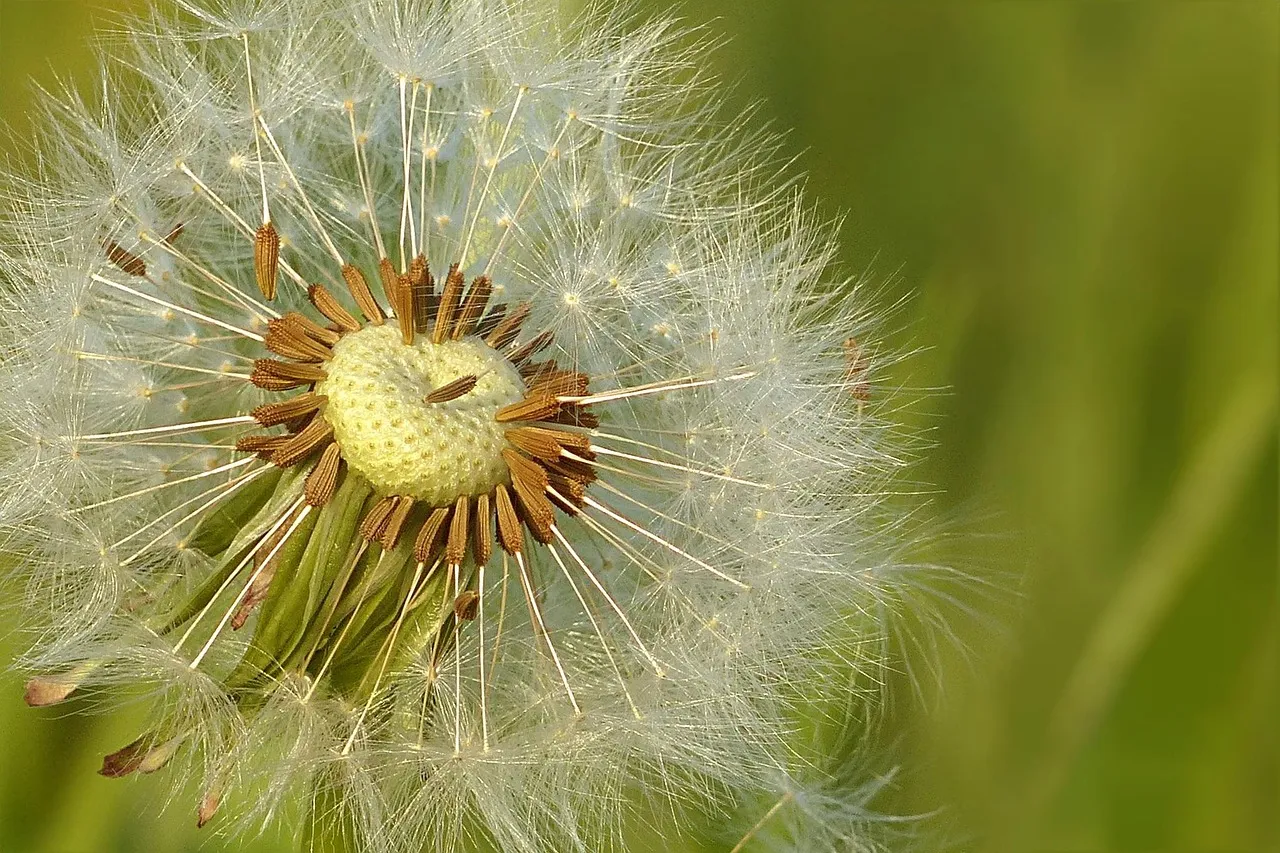
"Dandelion, Seed dispersal" by Oldiefan / Pixabay.
Seed dispersal is a vital process that increases the chances of plant survival and growth across ecosystems. In nature, seeds rarely fall and grow right next to their parent plants. Instead, plants have evolved a variety of methods to spread their seeds far and wide. This adaptation reduces competition for resources such as sunlight, water, and nutrients. Scientists have discovered that effective seed dispersal helps maintain biodiversity and supports the colonization of new habitats.
Mechanisms of Seed Dispersal
Plants use several mechanisms to move their seeds away from the parent plant. Wind dispersal is common among plants with lightweight or aerodynamic seeds. Dandelions, for example, produce seeds with fluffy parachutes that can be carried by the wind for distances over one kilometer. Maple trees release samaras—winged seeds that spin as they fall, slowing their descent and allowing the wind to transport them. Water dispersal is used by plants like coconuts, which have buoyant shells that let them float across oceans to new shores. Animal dispersal involves seeds hitching a ride on fur or feathers, like burrs with tiny hooks, or being eaten along with fruit. After digestion, the seeds are deposited far from the parent plant, often with added nutrients from animal waste. Some plants, such as touch-me-nots and peas, use explosive dispersal, launching seeds several meters away as their pods burst open.
Adaptations and Interactions
Each dispersal method relies on unique structural features. For wind dispersal, seeds may have wings, hairs, or parachute-like structures. Water-dispersed seeds are typically waterproof and may have air pockets for buoyancy. Animal-dispersed seeds might be sticky, spiky, or enclosed in sweet fruit to attract animals. Explosive dispersal depends on pod tension and seed shape. These adaptations evolved through natural selection, as plants with better dispersal success were more likely to reproduce. Studies show that up to 90% of tropical tree species rely on animals for seed dispersal, while in temperate regions, wind and explosive methods are more common.
Ecological Importance and Broader Impacts
Seed dispersal is crucial for ecosystem health. By spreading seeds over wide areas, plants prevent overcrowding and allow new individuals to grow in suitable locations. This process maintains genetic diversity, supports wildlife that depend on seeds and fruit, and helps plants colonize areas after disturbances such as fires or floods. Human activities, such as deforestation, can disrupt natural seed dispersal and threaten plant populations. Understanding these dispersal systems informs conservation strategies and restoration projects.
Effective seed dispersal demonstrates the interconnectedness of living organisms and their environments. It highlights how plant structure and function are adapted to ecological challenges, supporting biodiversity and the resilience of ecosystems.
Interesting Fact: Some seeds can remain dormant in the soil for decades, waiting for the ideal conditions to germinate and grow.
Comprehension quiz (10 questions)
1. What is the main purpose of seed dispersal?
2. Which plant uses wind dispersal with fluffy parachutes?
3. What is an example of explosive dispersal from the passage?
4. What is a samara?
5. What does the word 'deposited' mean in the passage?
6. Why do plants with better seed dispersal adaptations have a higher chance of survival?
7. How can human activities threaten seed dispersal?
8. How do water-dispersed seeds reach new locations?
9. True or False: All seeds are dispersed by animals.
10. True or False: Seed dispersal helps maintain biodiversity.
Perfect for the way you teach
- Build comprehension skills
- Auto-graded quiz
- Differentiated reading
- Read together at home
- Improve fluency
- Quiet reading time
- Reading curriculum support
- Independent practice
- Track Lexile growth