Pitcher Plants: Reproduction Facts
Interactive passage with audio narration, comprehension questions, and printable PDF.
What's included
Pitcher Plants: Reproduction Facts preview and details
About this printable Pitcher Plants: Reproduction Facts science reading passage, NGSS-aligned (Grades 5-8)
Sample passage and quiz from Pitcher Plants: Reproduction Facts
Reading passage and comprehension quiz preview
Pitcher Plants: Reproduction Facts
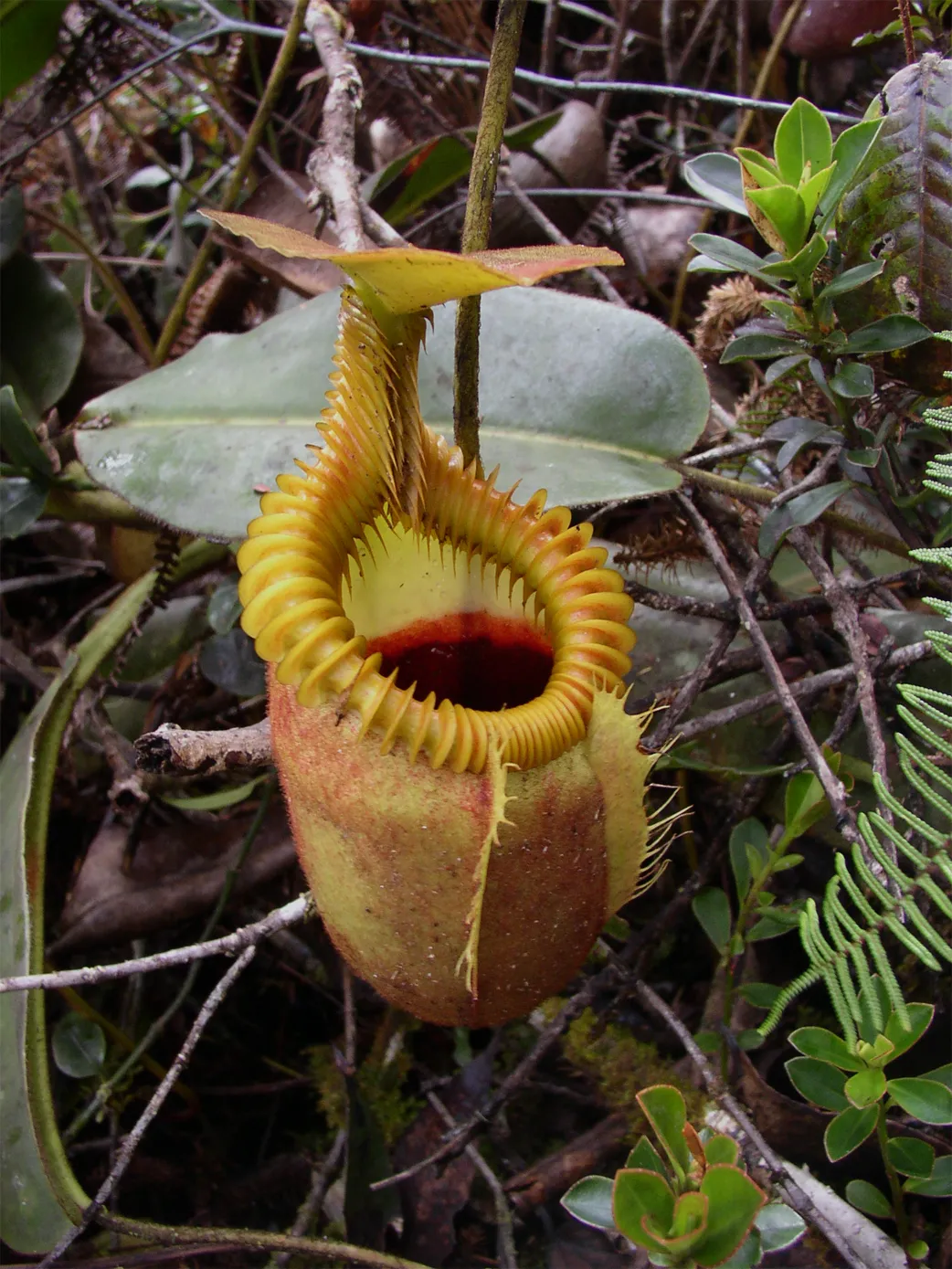
"Nepenthes villosa" by NepGrower / Wikimedia Commons.
Pitcher plants (Nepenthes and Sarracenia species) are carnivorous plants that lure, trap, and digest insects in their tube-shaped leaves. Found in nutrient-poor wetlands worldwide, these clever plants have evolved remarkable adaptations to survive.
Habitat & Distribution
Pitcher plants grow in:
● Tropical rainforests (Southeast Asia, Australia)
● Bogs & swamps (North America, Europe)
● Mountainous regions (up to 3,000m elevation)
They thrive in acidic, nitrogen-deficient soils where other plants struggle.
How Pitcher Plants Work
- The Trap:
○ Modified leaves form slippery, liquid-filled pitchers
○ Colors and nectar attract insects
○ Waxy inner walls prevent escape
- The Digestive System:
○ Rainwater mixes with plant enzymes to create a deadly soup
○ Bacteria help break down trapped insects
○ Nutrients are absorbed through the pitcher walls
- Special Adaptations:
○ Some species have "fangs" to guide prey
○ Others form mutualistic relationships with bats and shrews
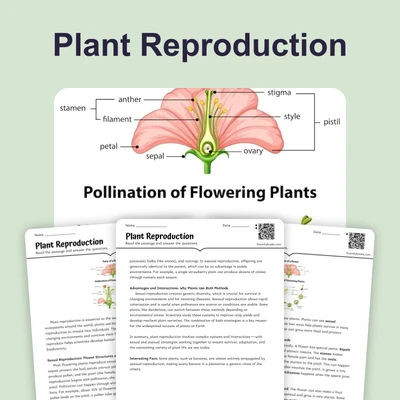
Reproduction
Pitcher plants reproduce both ways:
● Sexually: Showy flowers pollinated by insects
● Asexually: Underground rhizomes form new plants
Fun Fact: The largest pitcher plant (Nepenthes rajah) can hold 3.5 liters (1 gallon) of liquid—big enough to drown rats!
Comprehension quiz (8 questions)
1. Where are tropical pitcher plants primarily found?
2. What makes the inside of pitchers slippery?
3. How do pitcher plants benefit from trapped insects?
4. What unique relationship do some pitcher plants have with mammals?
5. The largest pitcher plant can hold:
6. How do most pitcher plants attract prey?
7. Why can’t insects climb out of pitchers?
8. What do pitcher plants lack in their soil that makes them carnivorous?
Perfect for the way you teach
- Build comprehension skills
- Auto-graded quiz
- Differentiated reading
- Read together at home
- Improve fluency
- Quiet reading time
- Reading curriculum support
- Independent practice
- Track Lexile growth