Stories, Legends, and Sacred Ceremonies — Reading Comprehension
Rate this|
1
Premium Resource
Present
Present in classroom. No work saved
Assign
Classroom with student accounts, Track progress
Quick Play
No student accounts, assign with a link
Grades
3
4
5
PRINT+DIGITAL RESOURCE
This learning resource is available in interactive and printable formats. The interactive worksheet can be played online and assigned to students. The Printable PDF version can be downloaded and printed for completion by hand.
This passage explores the important role of stories, legends, and sacred ceremonies among Native American communities in the United States. Students will discover how storytelling helped pass down history, teach lessons, and build unity. The passage highlights key figures such as elders and storytellers and explains the cause-and-effect relationships between ceremonies and community life. Vocabulary words such as 'legend', 'sacred', and 'tradition' are highlighted to build literacy skills. Students will be able to read, listen, and access a full Spanish translation. The passage aligns with the C3 Framework for Social Studies and Common Core ELA standards, making it ideal for integrated learning. Activities include a reading comprehension quiz, writing exercises, and a timeline of important events. This history reading passage helps students connect the past to the present and appreciate the bravery, unity, and wisdom within Native American traditions.
CONTENT PREVIEW
Expand content preview
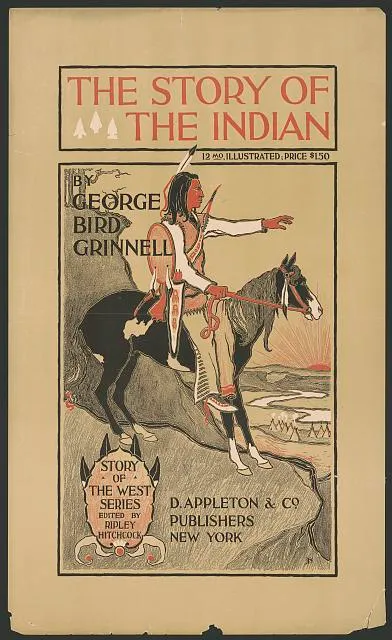
The story of the Indian by George Bird Grinnell ... Source: Library of Congress - Library of Congress
Native American ceremonies are special events held to honor nature, the seasons, and important moments in life. These ceremonies are a big part of Native American traditions. For hundreds of years, Native American groups have gathered together for these events.
Many ceremonies are held to celebrate the harvest. When crops like corn, beans, or squash are ready, families and friends come together to give thanks. People sing songs and perform dances that have been passed down for generations. These dances are not just for fun. They are a way to show respect for the earth and its gifts.
Other ceremonies mark changes in the year, like the start of spring or the arrival of winter. These celebrations help people remember that they are part of the natural world. Some ceremonies are held for important life events, such as births, weddings, or when a person becomes an adult. In these moments, the community gathers to support and honor each other.
Ceremonies are often led by elders or spiritual leaders. These leaders use special spiritual practices to guide the group. They may burn sweetgrass or sage, which are plants believed to have strong powers. The smell of the smoke is thought to clean the air and bring good feelings.
Drums, rattles, and other instruments are used in many ceremonies. The drumbeat is like a heartbeat that joins everyone together. Songs tell stories about the land, animals, and people. These stories teach lessons about kindness, bravery, and working together.
Native American ceremonies are important because they keep people connected. They help everyone remember their history and customs. Ceremonies also remind people to care for nature and each other. Today, many Native Americans still hold these ceremonies to keep their heritage alive.
Interesting Fact: Some Native American ceremonies have lasted for hundreds or even thousands of years, showing the strong connection between people and their traditions.
What do Native ceremonies often celebrate?
Harvest and natureOnly sportsBuilding housesBuying food
Who usually leads the ceremonies?
Elders or spiritual leadersChildrenHuntersTeachers
What instrument is often used?
DrumPianoGuitarTrumpet
Why is the drumbeat important?
It joins people togetherIt scares animalsIt is very loudIt’s for fun only
How do ceremonies connect people and nature?
By honoring the earthBy cutting treesBy cooking onlyBy watching TV
Songs in ceremonies teach about:
Kindness and braveryMathSportsCars
Ceremonies are only for adults. True or false?
TrueFalse
What does 'heritage' mean?
History and customs passed downA new toyA type of danceA food
Perfect For:
👩🏫 Teachers
• Reading comprehension practice
• Auto-graded assessments
• Literacy skill development
👨👩👧👦 Parents
• Reading practice at home
• Comprehension improvement
• Educational reading time
🏠 Homeschoolers
• Reading curriculum support
• Independent reading practice
• Progress monitoring
Reading Features:
📖
Reading Passage
Engaging fiction or nonfiction text
❓
Comprehension Quiz
Auto-graded questions
📊
Instant Feedback
Immediate results and scoring
📄
Printable Version
Download for offline reading
🔊
Read Aloud
Voice-over with word highlighting
Reviews & Ratings
No reviews yet. Be the first to share your experience!
Related Content
Native American Respect for Nature
This engaging history reading passage explores Native American respect for nature, emphasizing the close relationship be...
D2.HIS.2.3-5D2.HIS.3.3-5RI.4.3RI.4.4
Native Americans and Slavery in Early America
This comprehensive U.S. history reading passage explores the complex relationship between Native Americans and slavery d...
D2.HIS.2.3-5D2.HIS.3.3-5RI.4.3RI.4.4
Native American Tribes Across America
This engaging history reading passage introduces students to Native American tribes across America, focusing on their da...
D2.HIS.1.3-5D2.HIS.2.3-5RI.4.1RI.4.2
Traditional Native American Clothing
This engaging history passage explores traditional Native American clothing and how it reflected the environment, values...
D2.HIS.2.3-5D2.HIS.3.3-5RI.4.3RI.4.4
Native American Treaties
This passage examines early Native American treaties, agreements that were meant to establish peace and boundaries betwe...
D2.HIS.2.3-5D2.HIS.3.3-5RI.4.3RI.4.4
Disease and Native Americans
This engaging U.S. history reading passage explores the dramatic impact of European diseases on Native American populati...
D2.HIS.2.3-5D2.HIS.3.3-5RI.4.3RI.4.4
Native American Land Sales
This comprehensive history reading passage examines Native American land sales in U.S. history and asks students to cons...
D2.HIS.2.3-5D2.HIS.3.3-5RI.4.3RI.4.4
Native American Allies in Colonial Wars
This passage examines the complex role of Native American nations as allies and adversaries during the colonial wars of ...
D2.HIS.2.3-5D2.HIS.3.3-5RI.4.3RI.4.4
Columbian Exchange Impact on Native Americans
This passage examines the complex effects of the Columbian Exchange on Native Americans, analyzing the causes, consequen...
D2.HIS.2.3-5D2.HIS.3.3-5RI.4.3RI.4.4
Spanish Missions Impact on Native American
This reading passage explores the complex impact of Spanish missions on Native American culture in what is now the south...
D2.HIS.2.3-5D2.HIS.3.3-5RI.4.3RI.4.4
Native American Civilizations Before European Contact
This engaging U.S. History reading passage explores Native American civilizations before European contact, focusing on t...
D2.HIS.2.3-5D2.HIS.3.3-5RI.4.3RI.4.4
Native vs European Land Views
This passage examines the contrasting beliefs about land between Native American societies and European settlers, highli...
D2.HIS.2.3-5D2.HIS.3.3-5RI.4.3RI.4.4
Native Americans in Revolutionary War
This engaging U.S. history reading passage explores how Native American nations made difficult decisions during the Amer...
D2.HIS.2.3-5D2.HIS.3.3-5RI.4.3RI.4.4
Native American Basket Weaving
This passage examines the historical importance of basket weaving among Indigenous Americans, highlighting how different...
The Cherokee Nation: History and Culture
This reading passage explores the rich history and culture of the Cherokee Nation, one of the largest Native American tr...
D2.HIS.2.3-5D2.HIS.14.3-5RI.4.3RI.4.4RI.4.10
Native Languages: Loss and Revival
This engaging U.S. history reading passage examines the history of Native American language loss and ongoing efforts tow...
D2.HIS.2.3-5D2.HIS.3.3-5RI.4.3RI.4.4
New Nation America
This history reading passage, 'New Nation America,' covers how the United States struggled to become a united country af...
HSS 5.6.1RI.4.2
The Full Moon in Native American Culture
W.4.5
Informational Text — American Flag
This informational text on the American flag will teach students about what the stars, stripes, and colors on the flag r...
RI.3.10
Native American Oral Traditions
This engaging history reading passage explores the crucial role of oral traditions in preserving history before the inve...